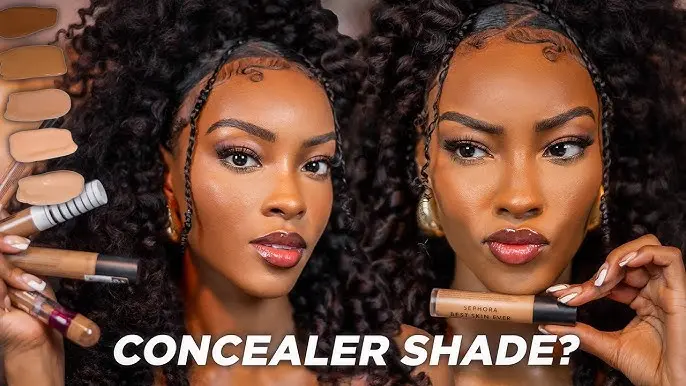
Dark circles are one of the most common makeup concerns, and the right concealer can make a huge difference in brightening your under-eye area. However, choosing the wrong shade often leads to a gray, ashy, or overly highlighted look instead of a natural finish. That’s why understanding shade selection is just as important as application technique.
Learning how to choose the right concealer shade for dark circles helps you achieve a fresh, awake appearance without heavy makeup. The goal is to neutralize darkness, brighten the skin, and maintain a natural tone that blends seamlessly with your foundation.
This guide explains everything you need to know about picking the perfect concealer shade and using it effectively.
Why Choosing the Right Concealer Shade Matters
The under-eye area is delicate and often darker due to lack of sleep, genetics, or lifestyle factors. A mismatched concealer can make the problem more visible instead of hiding it.
Common issues with wrong shade selection:
- Ashy or gray appearance
- Overly bright “white circle” effect
- Makeup looking unnatural
- Emphasized fine lines
The right shade corrects discoloration and enhances your natural skin tone.
Step 1: Understand Your Dark Circle Tone
Not all dark circles are the same. Identifying your undertone helps you choose the correct concealer.
Types of Dark Circles:
- Blue or purple tones: usually caused by visible veins or thin skin
- Brown tones: common in medium to deeper skin tones
- Red tones: often due to irritation or sensitivity
Each type requires a slightly different shade correction approach.
Step 2: Choose the Right Concealer Shade
The general rule is to pick a concealer that is 1–2 shades lighter than your foundation. However, this depends on your goal.
For Natural Coverage:
- Match your exact skin tone
- Ideal for daily use and subtle correction
For Brightening Effect:
- Choose 1 shade lighter than your skin tone
- Creates a fresh, awake look
For Severe Dark Circles:
- Use a color corrector first, then apply concealer
Avoid going too light, as it can create a white cast under the eyes.
Concealer Shade Guide Table
| Skin Concern | Best Concealer Shade |
|---|---|
| Light dark circles | Slightly lighter than skin tone |
| Medium dark circles | 1 shade lighter + peach undertone |
| Deep dark circles | Peach or orange corrector + concealer |
| Natural look | Exact skin tone match |
Step 3: Consider Undertones
Undertones play a major role in how concealer blends.
Warm Undertones:
- Go for peach or golden-based concealers
Cool Undertones:
- Neutral or slightly pink undertones work best
Neutral Undertones:
- Most shades will blend well, choose based on brightness level
Matching undertones prevents an unnatural finish.
Step 4: Test Before You Buy
Always test concealer before purchasing.
How to test:
- Apply a small amount under natural light
- Blend gently and check how it looks after a few minutes
- Avoid testing only on your hand; use the jawline or under-eye area
This ensures accurate shade matching.
Step 5: Apply Concealer Correctly
Even the right shade can look wrong if applied incorrectly.
Application tips:
- Apply in small dots under the eyes
- Blend using a damp sponge or fingertips
- Avoid heavy layering
- Set lightly with powder
Proper blending ensures a smooth, natural finish.
Step 6: Use Color Corrector if Needed
For very dark circles, concealer alone may not be enough.
Color correction guide:
- Peach/orange: neutralizes blue or purple tones
- Salmon tones: good for medium skin
- Yellow tones: brighten dull areas
Apply corrector first, then layer concealer on top.
Step 7: Match With Foundation
Your concealer should work well with your foundation shade. A mismatch can make under-eye makeup stand out unnaturally.
If you’re building your makeup collection, many beginners start with essentials found in a Best Drugstore Makeup Products for Beginners Kit, which usually includes basic concealers, foundations, and other face products designed for easy shade matching.
Common Mistakes to Avoid
Choosing Too Light a Shade
This creates a gray or chalky look under the eyes.
Ignoring Undertones
Wrong undertones can make dark circles more visible.
Using Too Much Product
Heavy application leads to creasing.
Not Blending Properly
Unblended concealer looks patchy and obvious.
Pro Tips for a Natural Finish
- Use thin layers instead of thick application
- Set concealer lightly with translucent powder
- Hydrate under-eye area before applying makeup
- Use minimal product for daily wear
- Always blend upward for lifting effect
Benefits of Choosing the Right Concealer Shade
Brighter Under-Eyes
Makes you look more awake and refreshed.
Natural Finish
Blends seamlessly with skin and foundation.
Reduced Makeup Effort
Less product needed for better results.
Long-Lasting Coverage
Proper shade reduces creasing and fading.
FAQs About Concealer Shade Selection
Should concealer be lighter than foundation?
Yes, usually 1 shade lighter for a brightening effect, but not too light.
Can I use concealer without color corrector?
Yes, if your dark circles are mild.
Why does my concealer look gray?
It is likely the wrong undertone or too light a shade.
How do I stop concealer from creasing?
Use minimal product and set it lightly with powder.
What is the best concealer for beginners?
Creamy, blendable formulas that are easy to apply and match skin tone.
Final Thoughts
Choosing the right concealer shade for dark circles is all about understanding your skin tone, undertone, and coverage needs. The right shade can instantly brighten your face, reduce tired appearance, and create a smooth, natural finish.