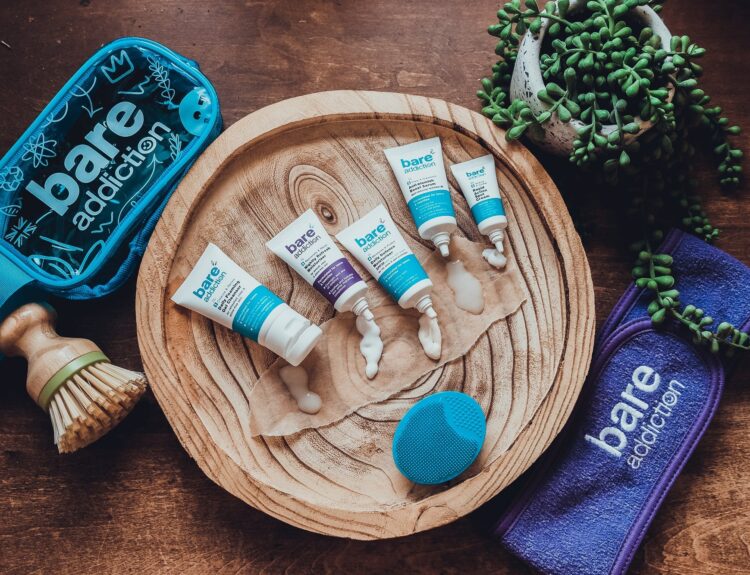
A Simple Guide to Healthy, Effective Skincare Without the Clutter
In a world filled with countless serums, masks, toners, and treatments, it’s easy to believe that achieving healthy skin requires a complicated routine. However, more people are discovering the benefits of a minimalist skincare routine—a simple, effective approach that focuses on using fewer products while still achieving great results.
A minimalist skincare routine helps reduce irritation, saves money, and makes it easier to stay consistent. Instead of overwhelming your skin with multiple active ingredients, this approach prioritizes essential products that support skin health and address your primary concerns.
If you’re wondering how to build a minimalist skincare routine, this guide will walk you through the essential steps, recommended products, and common mistakes to avoid.
What Is a Minimalist Skincare Routine?
A minimalist skincare routine focuses on using only the products your skin truly needs. Rather than following a lengthy multi-step regimen, you use a small number of carefully selected products that provide maximum benefits.
The goal is not to neglect your skin but to simplify your routine while maintaining healthy, balanced skin.
Benefits of Minimalist Skincare
- Saves time
- Reduces skincare expenses
- Lowers the risk of irritation
- Makes routines easier to follow
- Helps identify product sensitivities
- Prevents ingredient overload
- Encourages consistent skincare habits
Many people find that their skin improves when they eliminate unnecessary products.
Why Simplicity Works
Using too many skincare products can sometimes create more problems than solutions. Layering multiple active ingredients may lead to redness, dryness, breakouts, or sensitivity.
A minimalist routine allows your skin barrier to function properly while still receiving essential care.
Signs Your Routine May Be Too Complicated
- Frequent irritation
- Unexplained breakouts
- Persistent redness
- Dry patches
- Product pilling
- Difficulty maintaining consistency
Simplifying your routine can help restore balance and improve overall skin health.
The Three Essential Steps of a Minimalist Skincare Routine
A basic skincare routine only requires a few key products.
1. Gentle Cleanser
A cleanser removes dirt, oil, sweat, sunscreen, and environmental pollutants from the skin.
Look for a gentle formula that cleans effectively without stripping the skin of its natural moisture.
Ideal Cleanser Features
- Sulfate-free
- Fragrance-free if sensitive
- Non-drying
- Suitable for your skin type
Cleansing twice daily is often enough for most people.
2. Moisturizer
A moisturizer helps maintain hydration and supports the skin barrier.
Even oily skin benefits from proper moisturization.
Benefits of Moisturizer
- Prevents dryness
- Strengthens the skin barrier
- Improves skin texture
- Reduces irritation
- Enhances comfort
Choose a lightweight formula for oily skin and a richer cream for dry skin.
3. Sunscreen
Sunscreen is arguably the most important step in any skincare routine.
Daily sun protection helps prevent:
- Premature aging
- Dark spots
- Uneven skin tone
- Fine lines
- Sun damage
Use a broad-spectrum sunscreen with SPF 30 or higher every morning.
Minimalist Morning Skincare Routine
A simple morning routine can take less than five minutes.
| Step | Product | Purpose |
|---|---|---|
| 1 | Cleanser | Removes oil and impurities |
| 2 | Moisturizer | Provides hydration |
| 3 | Sunscreen | Protects against UV damage |
This routine covers the essentials needed for healthy skin throughout the day.
Minimalist Evening Skincare Routine
Nighttime skincare focuses on cleansing and repair.
| Step | Product | Purpose |
|---|---|---|
| 1 | Cleanser | Removes makeup, sunscreen, and dirt |
| 2 | Moisturizer | Restores hydration overnight |
For many people, these two steps are sufficient for maintaining healthy skin.
Optional Treatment Products
A minimalist approach doesn’t mean you can never use active ingredients. It simply means using them strategically.
Niacinamide
Niacinamide may help:
- Improve skin barrier function
- Reduce redness
- Minimize the appearance of pores
- Control excess oil
Retinol
Retinol may support:
- Smoother skin texture
- Reduced fine lines
- Improved skin renewal
Vitamin C
Vitamin C is commonly used for:
- Brightening skin tone
- Supporting antioxidant protection
- Reducing the appearance of dark spots
If you choose to use an active ingredient, start with only one product at a time.
How to Choose Products for Your Skin Type
Oily Skin
Look for:
- Gel cleansers
- Lightweight moisturizers
- Non-comedogenic formulas
Dry Skin
Choose:
- Cream cleansers
- Rich moisturizers
- Hydrating ingredients such as glycerin and ceramides
Sensitive Skin
Prioritize:
- Fragrance-free products
- Gentle formulations
- Minimal ingredient lists
Combination Skin
Use balanced products that provide hydration without excessive heaviness.
Common Mistakes to Avoid
Buying Too Many Products
Many people assume more products equal better results. In reality, a few well-formulated products are often enough.
Introducing Multiple New Products at Once
Adding several products simultaneously makes it difficult to determine what is helping or causing irritation.
Skipping Sunscreen
Even the best skincare routine cannot fully protect skin without daily sun protection.
Constantly Changing Products
Consistency is essential for evaluating product effectiveness.
Signs Your Minimalist Routine Is Working
You may notice:
- Fewer breakouts
- Reduced irritation
- Improved hydration
- More balanced skin
- Easier daily maintenance
- Better product tolerance
Results often become more noticeable after several weeks of consistent use.
How Long Does It Take to See Results?
Most skincare improvements require patience.
General Timeline
| Timeframe | Expected Results |
|---|---|
| 1–2 Weeks | Improved hydration |
| 2–4 Weeks | Reduced irritation |
| 4–8 Weeks | Smoother skin texture |
| 8–12 Weeks | More even skin tone |
| 3+ Months | Long-term skin improvements |
Consistency is far more important than having a large collection of products.
Who Should Follow a Minimalist Skincare Routine?
A simplified routine may be ideal for:
- Beginners
- Busy professionals
- Students
- Sensitive skin types
- People experiencing irritation
- Those looking to save money
- Anyone overwhelmed by complex routines
Minimalist skincare can work for virtually any skin type when tailored appropriately.
Frequently Asked Questions
How Many Products Should a Minimalist Skincare Routine Have?
Most minimalist routines include three to five products, focusing on cleansing, moisturizing, and sun protection.
Is a Minimalist Skincare Routine Effective?
Yes. Many people achieve healthy skin with a simple routine built around essential products and consistent use.
Can I Use Active Ingredients in a Minimalist Routine?
Yes. A minimalist routine can include one or two targeted treatments such as niacinamide, retinol, or vitamin C.
Do I Need a Toner?
Not necessarily. Many people find that a toner is optional and can be skipped without affecting results.
Is Minimalist Skincare Better for Sensitive Skin?
Often, yes. Using fewer products can reduce the likelihood of irritation and ingredient conflicts.
Can Minimalist Skincare Help With Acne?
A simple routine with gentle cleansing, moisturizing, sunscreen, and appropriate acne treatments can support clearer skin while minimizing irritation.
Conclusion
Learning how to build a minimalist skincare routine can simplify your daily life while improving your skin’s overall health. By focusing on the essentials—cleanser, moisturizer, and sunscreen—you can create a sustainable routine that delivers real results without unnecessary complexity.
The key to successful minimalist skincare is consistency, patience, and choosing products that suit your skin type. Rather than chasing every new trend, a simple and thoughtful routine can help you achieve healthy, balanced skin for the long term.