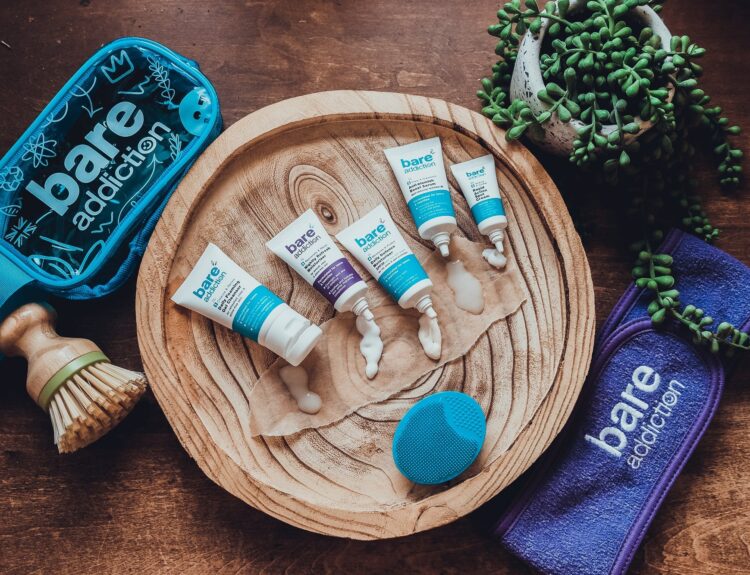
Sensitive skin needs special care, and one of the best ways to protect it is by keeping your skincare routine simple. Many people make the mistake of using too many products, thinking it will improve their skin faster. In reality, sensitive skin often reacts better to fewer, gentle products that support the skin barrier instead of overwhelming it.
A minimal skincare routine focuses on essential steps that cleanse, hydrate, and protect your skin without causing irritation. By using carefully selected products and maintaining consistency, you can achieve calm, healthy, and balanced skin naturally.
Understanding Sensitive Skin
Sensitive skin is more likely to react to environmental changes, harsh ingredients, fragrances, or overuse of skincare products. Reactions may include redness, itching, burning, dryness, or breakouts.
Common Signs of Sensitive Skin:
- Frequent irritation or redness
- Tightness after washing the face
- Dry or flaky patches
- Reactions to new products
- Burning or stinging sensation
Recognizing these signs helps you choose the right skincare approach.
Why Minimal Skincare Works Best
A minimal skincare routine reduces stress on the skin barrier. The fewer unnecessary ingredients you apply, the lower the risk of irritation and inflammation.
Benefits of a Minimal Routine:
- Easier to maintain consistently
- Reduces the chance of allergic reactions
- Helps identify irritating products quickly
- Saves money and time
- Supports long-term skin health
Simple routines often produce better and more stable results for sensitive skin.
Essential Steps for a Minimal Sensitive Skin Routine
You only need a few core products to maintain healthy skin.
1. Use a Gentle Cleanser
Cleansing removes dirt, oil, and impurities without stripping away natural moisture.
What to Look For:
- Fragrance-free formulas
- Sulfate-free ingredients
- Mild cream or gel cleansers
- Non-foaming or low-foam texture
Wash your face twice daily using lukewarm water. Avoid hot water because it can worsen irritation and dryness.
2. Apply a Hydrating Moisturizer
Moisturizer is essential for repairing and protecting the skin barrier.
Ideal Moisturizer Features:
- Lightweight but nourishing
- Free from strong fragrances
- Contains calming ingredients like ceramides or glycerin
- Non-comedogenic (won’t clog pores)
Hydrated skin is less likely to become irritated or inflamed.
3. Never Skip Sunscreen
Sensitive skin is especially vulnerable to sun damage, which can lead to redness, dark spots, and premature aging.
Best Sunscreen Options:
- Mineral sunscreens with zinc oxide or titanium dioxide
- SPF 30 or higher
- Fragrance-free and lightweight formulas
Daily sunscreen use is one of the most important steps for healthy skin.
Optional Additions for Extra Care
Once your skin feels stable with the basics, you can slowly introduce one additional product if needed.
| Product Type | Benefit |
|---|---|
| Aloe Vera Gel | Soothes irritation |
| Hydrating Serum | Boosts moisture levels |
| Thermal Water Mist | Refreshes and calms the skin |
| Gentle Face Mask | Provides extra nourishment |
Always patch-test any new product before applying it to your entire face.
Ingredients Sensitive Skin Should Avoid
Certain ingredients can trigger irritation and damage the skin barrier.
Common Irritating Ingredients:
- Artificial fragrances
- Alcohol-based products
- Harsh scrubs
- Strong acids
- Essential oils in high concentrations
Reading ingredient labels carefully is extremely important for sensitive skin.
The Importance of Patch Testing
Before using a new product, perform a patch test to avoid unwanted reactions.
Simple Patch Test Steps:
- Apply a small amount of product on your wrist or behind your ear
- Wait 24 hours
- Observe for redness, itching, or irritation
This simple step can prevent major skin discomfort.
Lifestyle Habits That Support Sensitive Skin
Healthy habits can improve your skin just as much as skincare products.
Helpful Lifestyle Tips:
- Drink enough water daily
- Sleep for at least 7–8 hours
- Eat nutrient-rich foods
- Reduce stress levels
- Use clean towels and pillowcases
Healthy living supports stronger and calmer skin naturally.
Choose Gentle and Ethical Products
Many people with sensitive skin now prefer products made with simple, environmentally conscious ingredients. Exploring products from Sustainable Beauty Brands can help you find skincare options that are gentle on both your skin and the environment.
These brands often focus on clean formulas, fewer irritants, and responsible ingredient sourcing.
Common Mistakes to Avoid
Over-Exfoliating
Too much exfoliation can damage the skin barrier and increase sensitivity.
Trying Too Many Products
Switching products constantly can confuse and irritate your skin.
Using Harsh Treatments
Strong acne products or chemical treatments may worsen irritation.
Ignoring Sunscreen
Sun damage can make sensitive skin more reactive over time.
Avoiding these mistakes helps maintain healthier skin in the long run.
Sample Daily Minimal Routine
| Time of Day | Step | Purpose |
|---|---|---|
| Morning | Gentle Cleanser | Removes excess oil and impurities |
| Morning | Moisturizer | Keeps skin hydrated |
| Morning | Sunscreen | Protects from UV damage |
| Night | Gentle Cleanser | Cleans dirt and pollutants |
| Night | Moisturizer | Repairs skin overnight |
This simple routine is often enough to keep sensitive skin balanced and healthy.
FAQs
1. How many products should sensitive skin use?
A basic routine with cleanser, moisturizer, and sunscreen is usually enough.
2. Can sensitive skin use exfoliants?
Yes, but only gentle exfoliants and not more than once a week.
3. Is natural skincare always safe for sensitive skin?
Not always. Some natural ingredients can still cause irritation, so patch testing is important.
4. How long does it take to repair sensitive skin?
With consistent care, improvements may appear within a few weeks.
5. Should sensitive skin avoid makeup completely?
No, but it’s best to use lightweight and fragrance-free makeup products.