Acne-prone skin requires consistent care, especially at night when the skin naturally repairs and regenerates itself. A proper nighttime skincare routine can help reduce breakouts, control excess oil, calm inflammation, and improve overall skin texture. The key is to use gentle yet effective products that support the skin without causing irritation.
Many people believe that treating acne means using strong products repeatedly, but overloading the skin can actually make breakouts worse. A balanced nighttime routine helps maintain healthy skin while targeting acne effectively.
Why Nighttime Skincare Matters for Acne-Prone Skin
During sleep, your skin goes through a natural repair process. Nighttime is the best opportunity to apply treatments and hydration because your skin is not exposed to sunlight, pollution, or makeup.
Benefits of a Night Routine:
- Removes dirt, oil, and bacteria
- Helps unclog pores
- Supports skin healing
- Reduces inflammation and redness
- Improves skin texture over time
Consistency is essential for long-term acne control.
Step-by-Step Nighttime Skincare Routine
1. Remove Makeup and Dirt
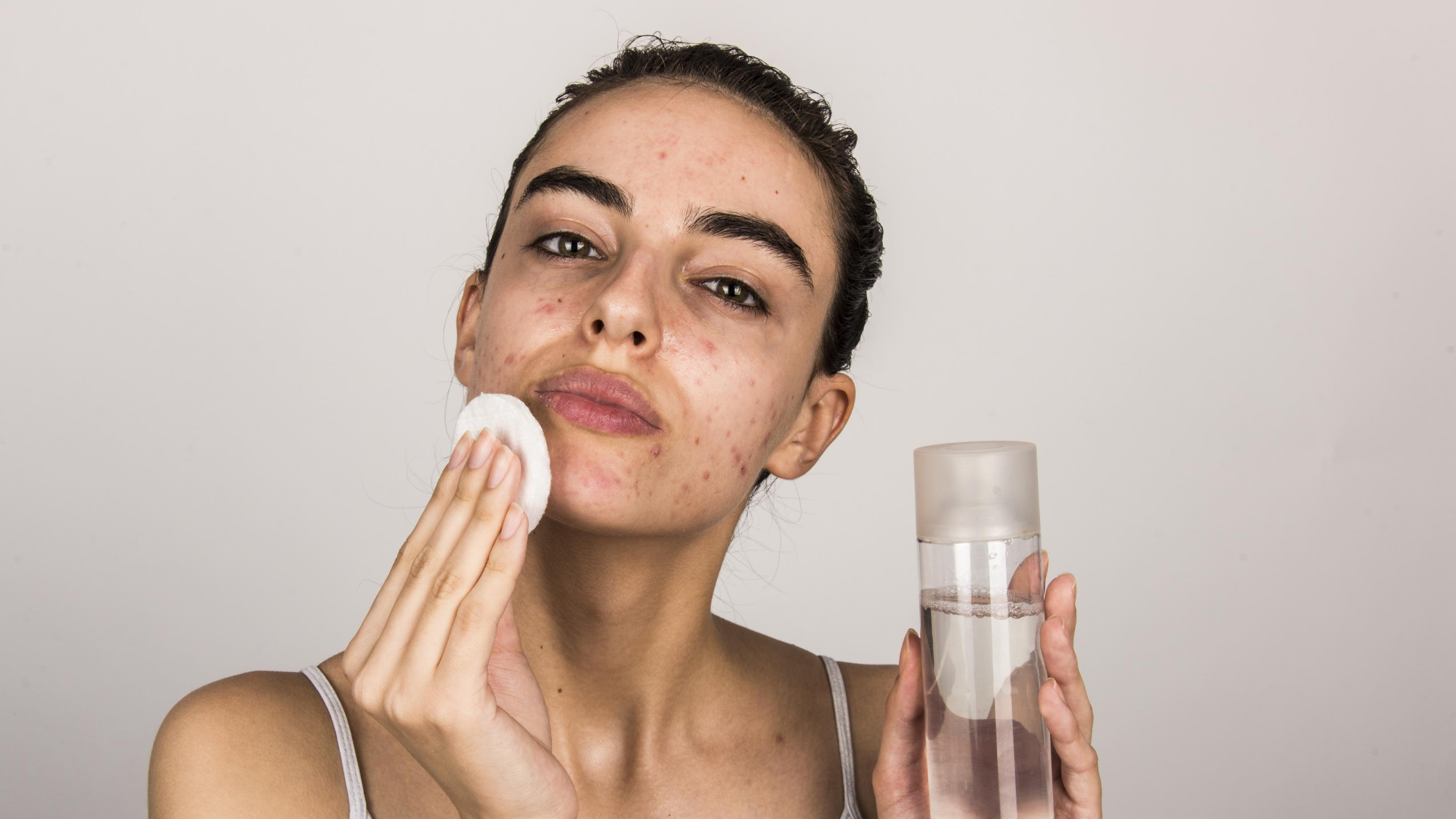
The first step is to remove makeup, sunscreen, and excess oil from your skin.
Best Practices:
- Use a gentle makeup remover or cleansing balm
- Avoid harsh rubbing
- Choose non-comedogenic products
Sleeping with makeup can clog pores and increase breakouts.
2. Cleanse Your Face Properly
Cleansing removes impurities and prepares your skin for the rest of your routine.
What to Look For in a Cleanser:
- Gentle gel or foam cleanser
- Ingredients like salicylic acid for acne control
- Fragrance-free formulas
Wash your face with lukewarm water and avoid over-cleansing, as it can dry out your skin.
3. Apply Acne Treatment
Nighttime is ideal for applying acne-fighting ingredients because your skin can absorb them more effectively.
Common Acne Treatment Ingredients:
| Ingredient | Benefit |
|---|---|
| Salicylic Acid | Unclogs pores and reduces oil |
| Benzoyl Peroxide | Fights acne-causing bacteria |
| Niacinamide | Calms redness and inflammation |
| Retinoids | Improves skin texture and breakouts |
Start slowly with active ingredients to avoid irritation.
4. Use a Lightweight Moisturizer
Many people with acne skip moisturizer, but hydration is important for maintaining a healthy skin barrier.
Choose a Moisturizer That Is:
- Oil-free
- Non-comedogenic
- Lightweight and soothing
Moisturizing helps prevent dryness caused by acne treatments.
5. Spot Treatment for Active Breakouts
If you have active pimples, spot treatments can help reduce swelling and redness overnight.
Good Spot Treatment Ingredients:
- Sulfur
- Tea tree oil (in low concentrations)
- Benzoyl peroxide
Only apply spot treatments directly to affected areas.
Weekly Nighttime Treatments
Adding a few weekly treatments can improve your skincare results.
Clay Masks
Clay masks help absorb excess oil and deeply cleanse pores.
Gentle Exfoliation
Exfoliating once or twice a week removes dead skin cells and helps prevent clogged pores.
Hydrating Masks
Hydration supports skin healing and balances oil production.
Avoid overusing treatments, as excessive skincare can irritate acne-prone skin.
Lifestyle Habits That Help Acne-Prone Skin
Skincare products work best when combined with healthy habits.
Helpful Lifestyle Tips:
- Drink enough water daily
- Change pillowcases regularly
- Avoid touching your face frequently
- Get enough sleep
- Reduce sugary and processed foods
Healthy routines support clearer skin naturally.
Avoid Overcomplicating Your Routine
One of the biggest mistakes people make is using too many acne products at once. This can damage the skin barrier and worsen irritation.
Following principles similar to How to Build a Minimal Skincare Routine for Sensitive Skin can help acne-prone individuals maintain balance and avoid unnecessary product overload.
Simple and consistent routines often produce the best long-term results.
Common Mistakes to Avoid
Sleeping with Makeup On
This clogs pores and increases breakouts.
Over-Exfoliating
Too much exfoliation can irritate the skin and increase oil production.
Using Harsh Products Together
Combining strong treatments may damage your skin barrier.
Skipping Moisturizer
Dry skin can trigger even more oil production and worsen acne.
Avoiding these mistakes is just as important as using the right products.
Sample Nighttime Routine Table
| Step | Purpose |
|---|---|
| Makeup Removal | Removes makeup and sunscreen |
| Gentle Cleanser | Cleans dirt and excess oil |
| Acne Treatment | Targets pimples and clogged pores |
| Lightweight Moisturizer | Hydrates and protects skin barrier |
| Spot Treatment | Reduces active breakouts |
This simple structure helps keep acne-prone skin balanced and healthy.
FAQs
1. How long does it take for a nighttime routine to improve acne?
Visible improvements may appear within 4–8 weeks with consistent care.
2. Should acne-prone skin moisturize every night?
Yes, using a lightweight moisturizer helps maintain a healthy skin barrier.
3. Can over-cleansing worsen acne?
Yes, excessive cleansing can dry out the skin and increase oil production.
4. Is exfoliation necessary for acne-prone skin?
Gentle exfoliation can help prevent clogged pores, but it should not be overdone.
5. What is the best nighttime ingredient for acne?
Salicylic acid and retinoids are commonly effective for acne-prone skin.