Traveling to conservative countries offers a unique opportunity to explore diverse cultures, historic landmarks, and warm hospitality. However, dressing appropriately is one of the most important aspects of showing respect and avoiding unwanted attention. What you wear can significantly impact how locals perceive you and how comfortable you feel during your journey.
This comprehensive guide explains what to wear when traveling in conservative countries — covering key principles, regional differences, and practical tips to help you dress modestly while staying stylish and comfortable.
1. Understanding Cultural Expectations
Conservative dress codes are often influenced by religion, tradition, and social customs. What’s acceptable in one country may be inappropriate in another. Dressing respectfully helps you blend in, avoid offending locals, and enhance your travel experience.
General Guidelines:
- Cover shoulders, chest, and knees in public areas.
- Avoid sheer, tight, or revealing clothing.
- Choose loose-fitting garments made from breathable fabrics.
- Pay attention to local people — observe how they dress and follow suit.
Remember: dressing modestly is not just about following rules; it’s about showing cultural awareness and appreciation.
2. Regional Dress Code Overview
Different conservative regions have distinct clothing expectations. Here’s a quick overview to help you plan your wardrobe accordingly.
| Region | Clothing Expectations | Recommended Items |
|---|---|---|
| Middle East (e.g., UAE, Jordan, Oman) | Cover shoulders, chest, and legs; women may need headscarves in mosques | Long skirts, maxi dresses, linen pants, lightweight scarves |
| South Asia (e.g., India, Pakistan) | Modest clothing; avoid sleeveless tops and shorts | Tunics, kurtas, long pants, shawls |
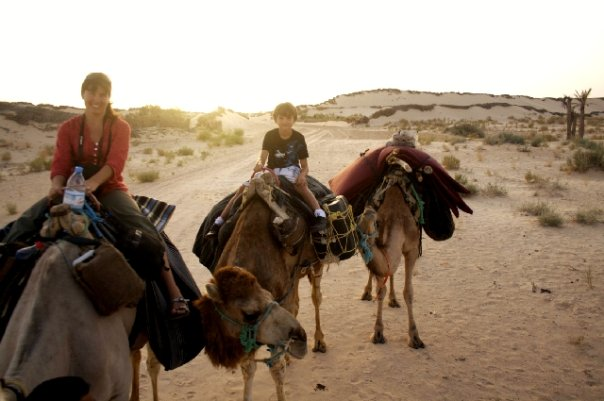
| North Africa (e.g., Morocco, Egypt) | Loose-fitting clothes; women should cover arms and knees | Maxi skirts, long-sleeve blouses, kaftans |
| Southeast Asia (e.g., Indonesia, Malaysia) | Conservative dress near temples or rural areas | Long pants, modest tops, sarongs |
| Eastern Europe (e.g., rural Balkans) | Moderate dress in villages and religious sites | Jeans, long skirts, sweaters |
Each region has its nuances — urban areas may be more relaxed, while rural or religious areas expect stricter modesty.
3. Women’s Clothing Essentials
Packing the right clothing helps women travelers stay comfortable and respectful in conservative settings. Choose versatile pieces that can be layered and styled for different occasions.
Recommended Items:
- Long skirts or maxi dresses: Comfortable and elegant for both city tours and religious visits.
- Loose trousers or culottes: Breathable and easy to pair with tunics.
- Tops with sleeves: Avoid sleeveless or low-cut styles.
- Scarves or shawls: Perfect for covering shoulders or hair when needed.
- Light jackets or cardigans: Useful for layering and added modesty.
Tip: Lightweight cotton, linen, or bamboo fabrics are ideal for warm climates.
4. Men’s Clothing Essentials
Men also need to dress modestly when traveling in conservative countries. While expectations may be less strict than for women, respect is equally important.
Recommended Items:
- Trousers or chinos: Avoid shorts unless at a beach or tourist resort.
- Short- or long-sleeved shirts: Collared shirts are preferred in formal or religious settings.
- Light jackets: For evening wear or visits to sacred places.
- Closed-toe shoes: Especially in cities or cultural sites.
Keep clothing clean, neat, and wrinkle-free to maintain a respectful appearance.
5. Visiting Religious or Sacred Sites
Many conservative countries have religious landmarks where dress codes are strictly enforced. Always carry a scarf or shawl and ensure your arms and legs are covered before entering temples, mosques, or churches.
Common Rules:
- Remove shoes before entering mosques or temples.
- Women may be required to cover their hair in certain places.
- Avoid tight or see-through fabrics.
- Dress modestly even when taking photos.
Ignoring these customs can be seen as disrespectful and may prevent entry into sacred sites.
6. Choosing the Right Fabrics and Colors
When traveling in warm, conservative countries, choose fabrics that keep you cool while maintaining coverage.
| Climate | Recommended Fabrics | Suggested Colors |
|---|---|---|
| Hot & Humid | Cotton, linen, bamboo | Light neutrals like beige, white, or soft blues |
| Dry & Desert | Breathable synthetics, thin layers | Earth tones and muted colors |
| Cool & Mountainous | Wool blends, layered outfits | Darker shades for warmth |
Avoid bright or flashy colors in rural areas, as they can attract unnecessary attention.
7. Accessories and Footwear
Modesty isn’t just about clothing — accessories and footwear also play a role in appropriate travel attire.
Do’s:
- Wear flat sandals, loafers, or comfortable walking shoes.
- Carry a scarf for spontaneous temple or mosque visits.
- Use simple jewelry that doesn’t draw too much attention.
- Choose practical bags — crossbody styles are great for security and convenience.
Avoid:
- Excessive makeup or flashy accessories.
- High heels or revealing sandals in traditional areas.
Comfort and cultural respect should always guide your choices.
8. Blending Modesty with Personal Style
Dressing modestly doesn’t mean sacrificing style. You can look fashionable and feel comfortable while respecting local customs. Flowy dresses, printed scarves, embroidered tunics, and statement jewelry can add flair without being inappropriate.
To find inspiration, observe how locals dress stylishly while maintaining cultural norms. Many traditional garments, such as abayas, sarongs, and kurtas, are both elegant and modest — making them perfect souvenirs and travel attire.
9. Packing Tips for Conservative Destinations
When preparing for your trip, pack versatile items that can be mixed and matched easily. Here’s a suggested packing checklist:
| Category | Essential Items |
|---|---|
| Clothing | Long skirts, trousers, tunics, blouses, lightweight jackets |
| Accessories | Scarves, shawls, hats, sunglasses |
| Footwear | Closed shoes, comfortable sandals |
| Other Essentials | Laundry detergent, travel steamer, cultural guidebook |
Layering is key — it allows you to adapt your wardrobe to different settings and climates.
10. Respect Beyond Clothing
While appropriate dress is important, respect also comes from behavior and attitude. Always remain polite, avoid loud or public displays of affection, and learn basic local greetings. Showing humility and openness will make your interactions more positive and memorable.
This cultural sensitivity enhances every experience, just as appreciating nature’s beauty enriches travelers exploring Top Scenic Hikes Around the World With Breathtaking Views — both require awareness, respect, and an open heart.
FAQs
1. Can I wear jeans in conservative countries?
Yes, jeans are generally acceptable as long as they’re not tight or ripped. Pair them with modest tops.
2. Do I need to cover my head at all times?
Usually no, but women may need to wear headscarves in mosques, temples, or certain rural areas.
3. Are shorts acceptable for men?
In most conservative regions, men should avoid shorts outside beach areas or resorts. Long pants are preferred.
4. How can I pack light but still dress modestly?
Choose lightweight fabrics and layering options that can be worn in multiple combinations.
5. What should I avoid wearing?
Avoid sleeveless tops, short skirts, tight leggings, low-cut shirts, or clothing with offensive prints or logos.
Final Thoughts
Knowing what to wear when traveling in conservative countries helps you blend in, stay comfortable, and show genuine respect for the local culture. Modesty is a universal sign of courtesy, and when approached thoughtfully, it can enrich your travel experiences in countless ways.
By dressing appropriately, you not only gain access to more authentic interactions but also demonstrate sensitivity to traditions that have been valued for generations.
Travel is about connection — and sometimes, what you wear is the first way you communicate that you care to understand.