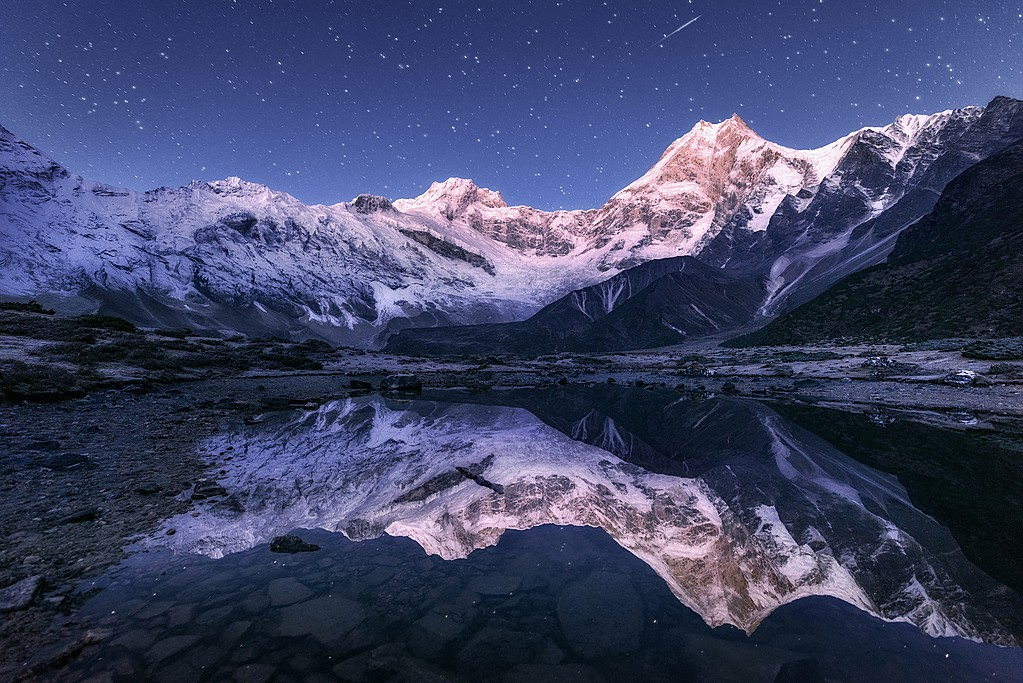
Nepal is one of the world’s premier destinations for mountain trekking, offering dramatic Himalayan landscapes, diverse cultures, and trails that suit all levels of adventure seekers. While many travelers explore Hiking and Camping in National Parks USA, others set their sights on Nepal’s majestic peaks and ancient pathways. From world-famous multi-week expeditions to shorter, scenic treks ideal for beginners, Nepal has a route for everyone who dreams of walking among the highest mountains on Earth.
Below is a comprehensive guide highlighting the top mountain trekking routes in Nepal, complete with descriptions, tips, a comparison table, and helpful FAQs.
Why Trek in Nepal?
Nepal’s trekking routes are unique for several reasons. First, the country is home to eight of the world’s 14 highest peaks, including Mount Everest. Second, the diverse landscapes—from subtropical forests to alpine glaciers—provide constant visual variety. Third, Nepal’s warm hospitality, teahouse culture, and deep-rooted traditions turn every trek into a cultural as well as physical journey. Whether you are seeking high-altitude challenges or moderate scenic walks, Nepal offers an unforgettable trekking experience.
Top Mountain Trekking Routes in Nepal
1. Everest Base Camp Trek
The Everest Base Camp (EBC) Trek is the most iconic route in Nepal and one of the world’s most sought-after trekking adventures. Following the footsteps of legendary climbers, this journey takes you through Sherpa villages, Buddhist monasteries, and breathtaking alpine scenery.
Highlights:
- Views of Everest, Lhotse, and Ama Dablam
- Namche Bazaar and Tengboche Monastery
- The Khumbu Glacier and Everest Base Camp
The EBC Trek requires moderate-to-high fitness and proper acclimatization. Most itineraries take 12–14 days to complete.
2. Annapurna Circuit Trek
The Annapurna Circuit is considered one of the greatest trekking routes globally due to its exceptional diversity. The trail circles the Annapurna massif and crosses the famous Thorong La Pass at 5,416 meters.
Highlights:
- Cultural variety from Hindu lowlands to Buddhist highlands
- Thorong La Pass
- Dramatic valley and mountain views
Because the terrain changes from lush forests to arid plateaus, trekkers experience multiple climates in a single journey.
3. Annapurna Base Camp Trek
Also known as the ABC Trek, this route is shorter than the Annapurna Circuit but equally rewarding. It leads trekkers into the heart of the Annapurna Sanctuary, surrounded by towering peaks.
Highlights:
- 360-degree mountain amphitheater
- Rich rhododendron forests
- Accessible teahouse accommodations
The ABC Trek is popular among beginners and intermediate trekkers due to its moderate difficulty and stunning scenery.
4. Langtang Valley Trek
The Langtang Valley Trek is an excellent option for those seeking quiet trails, as it is less crowded than Everest or Annapurna routes. Located near Kathmandu, it is easily accessible and perfect for trekkers with limited time.
Highlights:
- Beautiful valley landscapes
- Tamang culture and hospitality
- Views of Langtang Lirung
This 7–10 day trek is ideal for first-time trekkers and those wanting a mix of nature and culture.
5. Manaslu Circuit Trek
The Manaslu Circuit offers a more remote and wild trekking experience. Often considered a less-touristed alternative to the Annapurna Circuit, Manaslu features rugged terrain, suspension bridges, and dramatic mountain views.
Highlights:
- Larkya La Pass at 5,160 meters
- Traditional Buddhist villages
- Raw and untouched landscapes
A special permit is required, and trekkers must be accompanied by a licensed guide, adding to its adventurous appeal.
6. Upper Mustang Trek
The Upper Mustang Trek stands out for its otherworldly geography and preserved Tibetan culture. Located in the rain shadow of the Himalayas, this region features desert-like cliffs, ancient caves, and walled medieval settlements.
Highlights:
- The ancient walled city of Lo Manthang
- Red sandstone cliffs and caves
- Strong Tibetan cultural influence
Upper Mustang requires special permits and is best suited for trekkers who enjoy cultural exploration alongside natural beauty.
Comparison Table: Top Trekking Routes in Nepal
| Trekking Route | Difficulty | Duration | Top Altitude | Highlights |
|---|---|---|---|---|
| Everest Base Camp | Moderate–Hard | 12–14 days | 5,364 m | Everest views, Sherpa culture |
| Annapurna Circuit | Moderate–Hard | 14–18 days | 5,416 m | Thorong La Pass, diverse landscapes |
| Annapurna Base Camp | Moderate | 7–12 days | 4,130 m | Annapurna Sanctuary, forests |
| Langtang Valley | Easy–Moderate | 7–10 days | 4,984 m | Valley views, Tamang culture |
| Manaslu Circuit | Hard | 14–18 days | 5,160 m | Remote villages, Larkya La Pass |
| Upper Mustang | Moderate | 10–14 days | 4,200 m | Tibetan culture, desert terrain |
Tips for Trekking in Nepal
1. Acclimatize Properly
High-altitude trekking requires your body to adapt slowly. Incorporate rest days and ascend gradually to avoid altitude sickness.
2. Choose the Right Season
The best trekking seasons are autumn (Sept–Nov) and spring (Mar–May). Winter offers snowy landscapes but harsher conditions, while summer brings monsoon rains to some regions.
3. Pack Smart and Light
Essential items include layered clothing, a down jacket, trekking boots, a headlamp, water purification tablets, and a first-aid kit. Teahouses provide basic bedding, so pack only what you need.
4. Hire Local Guides and Porters
Guides provide safety, navigation, cultural insights, and support. Porters help carry heavier loads, making your trek more comfortable and enjoyable.
5. Respect Local Culture
Nepal is rich in religious traditions. Dress modestly, ask before taking photos, and support local businesses, communities, and eco-friendly practices.
FAQs
1. What is the best trek for beginners in Nepal?
The Annapurna Base Camp Trek and Langtang Valley Trek are great options for beginners due to their moderate difficulty and accessible routes.
2. Do I need permits to trek in Nepal?
Yes. Most routes require a TIMS card and national park or conservation permits. Restricted areas like Upper Mustang and Manaslu require special permits.
3. How physically fit do I need to be?
Trekking in Nepal requires moderate to strong fitness depending on the route. Regular walking, cardio, and strength training can help prepare.
4. Is teahouse accommodation available on all treks?
Most major routes offer teahouse accommodations, but some remote treks may require camping.
5. Can I trek solo in Nepal?
Solo trekking is allowed on many routes but is restricted in areas like Manaslu and Upper Mustang, where guides are mandatory.
Final Thoughts
Nepal’s mountain trekking routes offer some of the most breathtaking landscapes and rewarding cultural experiences on the planet. Whether you dream of standing at Everest Base Camp, exploring ancient Mustang, or walking through rhododendron forests in Annapurna, each trek reveals a new dimension of the Himalayas. With proper planning, physical preparation, and respect for the local environment, your journey through Nepal’s mountains will be unforgettable.