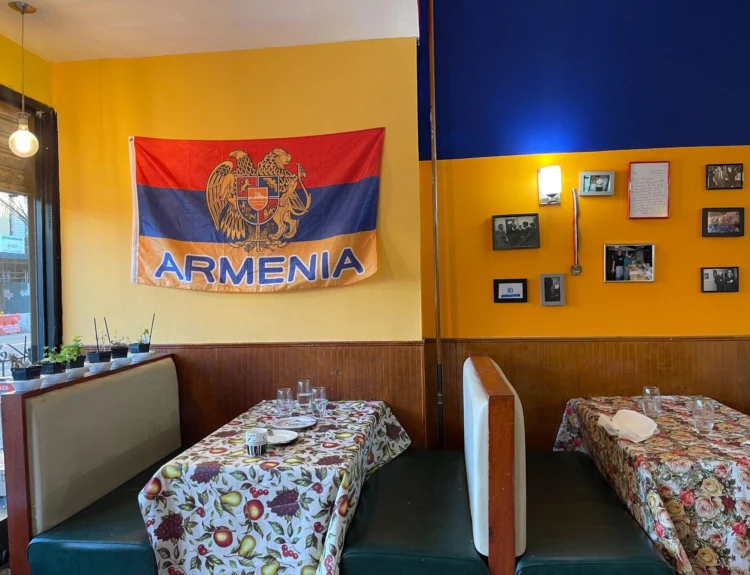
Lorem ipsum dolor sit amet, consectetuer adipiscing elit, sed diam nonummy nibh euismod tincidunt ut laoreet dolore magna aliquam erat volutpat. Ut wisi enim ad minim veniam, quis nostrud exerci tation ullamcorper suscipit lobortis nisl ut aliquip ex ea commodo consequat. Duis autem vel eum iriure dolor in hendrerit in vulputate velit esse molestie consequa. Duis sed odio sit amet nibh vulputate cursus a sit amet maorbi. Ut wisi enim ad minim veniam, quis nostrud exerci tation ullamcorper suscipit lobortis nisl ut aliquip ex ea commodo consequat.
Ingredients
5 1/2 lbs sweet potatoes, peeled
3/4 cup 1% milk
1/2 tsp kosher salt
1/4 tsp ground cinnamon
1/8 teaspoon ground nutmeg
1/2 tsp kosher salt
PREP TIME
25 minutes
COOK TIME
15 minutes
SERVES
6
Instructions
1. Preheat the oven to 180˚C/gas 4. 2. Put the flour, buttermilk and puffed rice into three shallow bowls. Season the flour with salt and pepper. Add the garlic powder, onion powder, paprika and dried sage to the buttermilk and mix well. Crush the puffed rice with your hands so that the pieces are broken down slightly but not powdered. 3. Dip a piece of chicken into the flour so that it is completely covered. Remove and shake off any excess, then dip into the buttermilk. Allow any excess buttermilk to drip off, then put the chicken pieces into the puffed rice. Turn over to make sure they are completely coated, then place on a baking tray. Repeat with the remaining chicken pieces. 4. Put the tray into the preheated oven and bake for 25–30 minutes, until golden and cooked through, turning halfway through cooking. 5. Meanwhile, make the yoghurt dressing; mix together the yoghurt, crushed garlic and vinegar with a little salt and pepper. Taste and add more vinegar if needed.
Video tutorial
Notes
Lorem ipsum dolor sit amet, consectetuer adipiscing elit, sed diam nonummy nibh euismod tincidunt ut laoreet dolore magna aliquam erat volutpat. Ut wisi enim ad minim veniam, quis nostrud exerci tation ullamcorper suscipit lobortis nisl ut aliquip ex ea commodo consequat. Duis autem vel eum iriure dolor in
A globetrotting luxury traveler with a taste for hidden culinary gems. From rooftop bars in NYC to street food in Bangkok, she finds the spots everyone dreams of, but few know. Expect authentic recommendations, chic aesthetics, and a little indulgence.