Long-term backpacking is one of the most rewarding ways to explore the world. It gives you freedom, flexibility, and deep cultural experiences. However, the key to a successful backpacking journey is packing smart. Carrying too much can slow you down, while forgetting essentials can create unnecessary stress.
This guide will help you build the perfect travel gear checklist so you can stay prepared, comfortable, and mobile throughout your adventure.
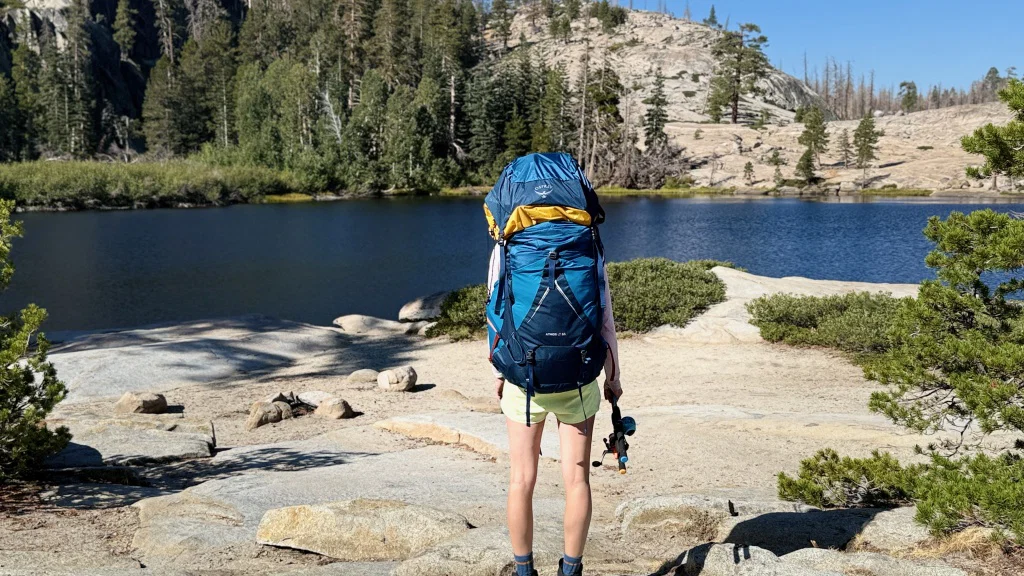
1. Choosing the Right Backpack
Your backpack is your home on the road, so choose wisely.
Look for:
- 40–70L capacity (depending on trip length)
- Lightweight but durable material
- Comfortable padded straps
- Multiple compartments for organization
- Water-resistant or rain cover included
A well-fitted backpack reduces strain and makes long-distance travel easier.
2. Clothing Essentials
Pack versatile clothing suitable for different climates.
Must-haves:
- 3–5 quick-dry t-shirts
- 2–3 pairs of pants or shorts
- Lightweight jacket
- Waterproof raincoat
- Comfortable walking shoes
- Sandals or flip-flops
- Underwear and socks (7–10 pairs)
Tip: Choose neutral colors so you can mix and match outfits easily.
3. Travel Toiletries Kit
Keep your hygiene kit compact and travel-friendly.
Include:
- Toothbrush and toothpaste
- Biodegradable soap or body wash
- Shampoo (travel size)
- Deodorant
- Sunscreen
- Small towel (quick-dry preferred)
4. Health and First Aid Kit
Always be prepared for minor health issues.
Essentials:
- Pain relievers
- Band-aids and antiseptic cream
- Motion sickness tablets
- Personal prescription medicines
- Hand sanitizer
5. Travel Electronics
Modern backpacking relies heavily on technology.
Must-haves:
- Smartphone
- Universal travel adapter
- Power bank
- Charging cables
- Lightweight headphones
Optional: Laptop or tablet for remote work.
6. Important Documents
Keep all essential documents safe and accessible.
Include:
- Passport
- Travel insurance
- Visas (if required)
- Digital and printed copies of documents
- Emergency contact information
7. Money and Security Essentials
Managing money safely is crucial while backpacking.
Tips:
- Carry a mix of cash and cards
- Use a money belt or hidden pouch
- Keep emergency backup funds
- Use secure travel wallets
8. Packing Accessories
Small items that make a big difference.
Useful gear:
- Packing cubes for organization
- Dry bags for wet items
- Reusable water bottle
- Travel laundry bag
- Padlock for hostel lockers
9. Optional but Useful Items
Depending on your travel style:
- Lightweight sleeping bag
- Travel pillow
- Notebook or journal
- Portable stove (for long outdoor trips)
- Compact camera
Backpacking Gear Summary Table
| Category | Essentials Included |
|---|---|
| Backpack | 40–70L, durable, comfortable |
| Clothing | Versatile, quick-dry, layered outfits |
| Toiletries | Compact hygiene kit |
| Health Kit | Basic medicines and first aid |
| Electronics | Phone, charger, power bank |
| Documents | Passport, insurance, copies |
| Money Tools | Wallet, cash, cards |
| Accessories | Packing cubes, water bottle, locks |
Smart Packing Tips for Long-Term Travel
- Pack light, not just less
- Choose multi-purpose items
- Avoid “just in case” items
- Repack every few weeks
- Adapt gear based on destination
Good packing habits make long-term travel much easier and more enjoyable.
Common Mistakes to Avoid
- Overpacking clothes
- Carrying unnecessary electronics
- Ignoring weather conditions
- Not organizing luggage properly
Avoiding these mistakes helps you stay mobile and stress-free.
Travel Inspiration
Long-term backpacking opens doors to incredible global experiences—from vibrant cities to remote natural landscapes. Exploring guides like Top Eco-Friendly Travel Destinations for Sustainable Tourism Lovers can help you discover destinations that align with responsible and sustainable travel values.
Frequently Asked Questions (FAQs)
1. How heavy should a backpacking bag be?
Ideally, it should not exceed 15–20% of your body weight.
2. Do I need a sleeping bag for backpacking?
Only if you plan to stay in hostels, camps, or budget accommodations.
3. What is the most important item for backpacking?
A comfortable and durable backpack is the most essential item.
4. How many clothes should I carry?
Enough for 1–2 weeks, with the option to wash and reuse.
5. Is it better to pack light or carry more items?
Always pack light to maintain mobility and flexibility.
Conclusion
Long-term backpacking is all about balance—carrying enough to stay comfortable while keeping your load light enough to move freely. With a well-planned gear checklist, you can travel confidently, reduce stress, and focus on the experiences that matter most.