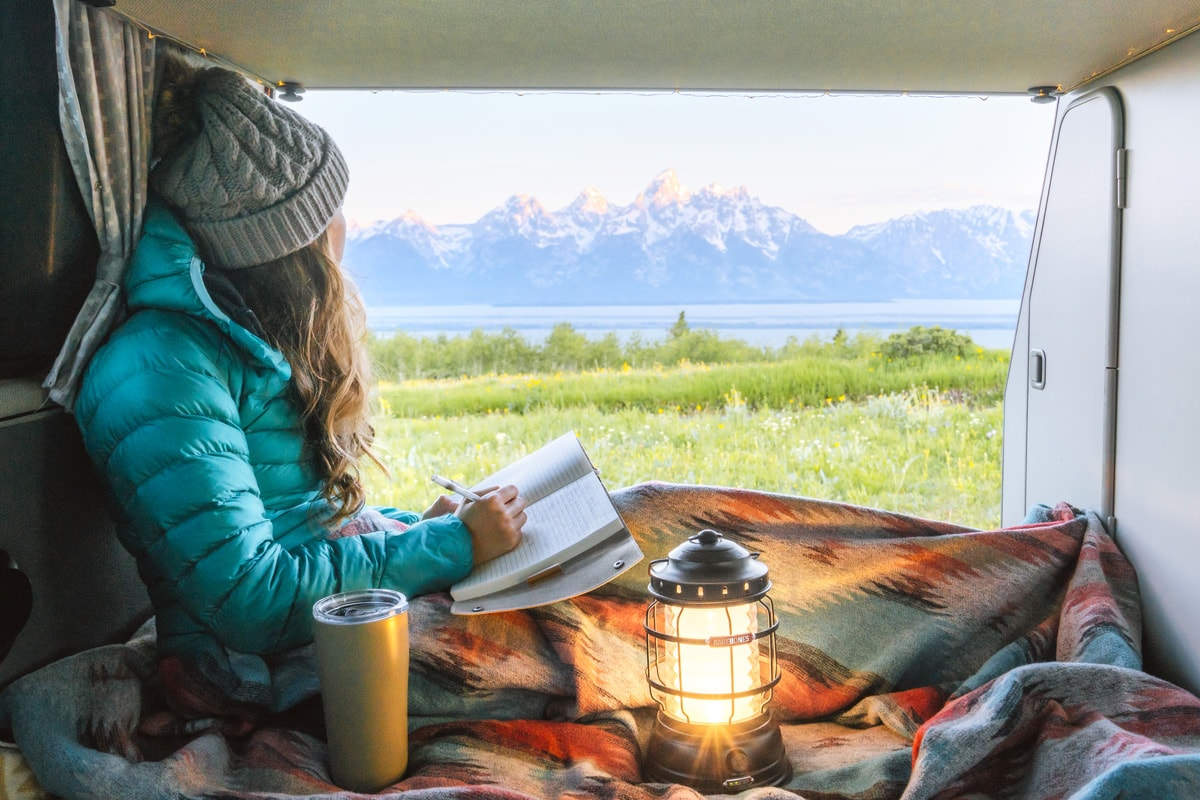
A road trip across America is one of the most iconic travel experiences you can have. From the Pacific Coast to the Great Plains, every highway offers something new. But with rising fuel, lodging, and food costs, many travelers worry that an extended trip might break the bank. The good news is that with the right planning, you can explore the United States without overspending.
This guide will walk you through how to plan a budget-friendly road trip, covering everything from route planning to smart accommodation choices and money-saving hacks.
1. Choose the Right Route
The first step to a successful budget road trip is choosing your route strategically. Instead of trying to see everything, focus on a few regions or states. This will save on gas and reduce the overall time spent on the road.
Tips for choosing a route:
- Start and end in affordable cities: Cities like Denver, Austin, and Portland are great starting points with relatively low car rental prices.
- Plan your stops around free attractions: National parks, scenic byways, and small-town landmarks often cost little to nothing.
- Avoid toll-heavy routes: Use apps like Waze or Google Maps to find free alternatives that may only add a few extra minutes.
2. Budget Planning: How Much Will It Cost?
A clear budget prevents overspending. Consider every expense before you start, from gas and food to park fees and accommodation.
Below is a sample table to help you estimate daily costs:
| Category | Budget Option | Mid-Range Option | Notes |
|---|---|---|---|
| Fuel | $40/day | $60/day | Varies by distance and vehicle type |
| Food | $20/day | $40/day | Save by packing meals and cooking |
| Lodging | $30/day (camping) | $80/day (motels) | Look for free or low-cost campsites |
| Activities | $10/day | $30/day | Many state parks and museums are free |
| Miscellaneous | $10/day | $20/day | Include parking fees and small repairs |
| Total Estimated | $110/day | $230/day | Based on two travelers |
Tracking expenses daily will help you stay within your financial limits.
3. Save on Transportation
Your vehicle will be your biggest expense, so make sure it’s fuel-efficient and road-ready before leaving.
Tips to save on transport:
- Get your car serviced: A tune-up improves mileage and reduces the risk of breakdowns.
- Use gas-saving apps: Apps like GasBuddy help find the cheapest fuel nearby.
- Consider car camping: A vehicle that doubles as accommodation, like a small camper van or SUV, can significantly cut lodging costs.
- Split costs with friends: Sharing gas and driving duties keeps everyone’s expenses lower and makes the trip more fun.
4. Affordable Lodging Options
Accommodation can quickly eat into your budget if not planned properly. Fortunately, the U.S. has plenty of affordable options.
Budget lodging ideas:
- Camping: National and state parks often offer campsites for $10–$30 per night.
- Hostels: Found in larger cities and tourist spots, hostels provide shared rooms at low prices.
- Motels: Chain motels along highways often have competitive nightly rates.
- Car or RV stays: If your vehicle is equipped, consider sleeping in it for short stretches.
Booking in advance for weekends or popular destinations will also save money and guarantee availability.
5. Eat Smart on the Road
Dining out for every meal can double your expenses. Preparing your own meals and shopping smartly can make a big difference.
Ways to save on food:
- Pack non-perishable snacks: Granola bars, trail mix, and canned goods are road-trip essentials.
- Use grocery stores: Buying ingredients and preparing simple meals is far cheaper than restaurants.
- Bring a cooler: This allows you to store drinks, fruit, and sandwiches.
- Try local diners: When you do eat out, small-town diners offer large portions for a fraction of the cost of city restaurants.
6. Plan Affordable Activities
A budget trip doesn’t mean missing out on fun. Many attractions across the U.S. are either free or inexpensive.
Ideas for low-cost activities:
- Visit national parks (many offer free admission days).
- Explore scenic drives like Route 66, the Blue Ridge Parkway, or Pacific Coast Highway.
- Attend free community events, outdoor concerts, and local fairs.
- Spend a day hiking, swimming, or fishing in public recreation areas.
For those traveling during the holiday season, consider visiting some of the Top USA Destinations for Christmas Markets to experience festive charm without spending a fortune.
7. Use Technology to Your Advantage
Apps and online tools can save time and money while keeping you organized.
Recommended apps:
- Roadtrippers: Helps you find attractions, restaurants, and lodging along your route.
- GasBuddy: Locates cheap gas stations.
- iOverlander: Lists free and paid camping spots.
- Splitwise: Tracks shared expenses if you’re traveling with friends.
Offline maps are also essential in case you lose service in remote areas.
8. Stay Safe and Prepared
Safety is as important as budgeting. Carry a roadside emergency kit, first-aid supplies, and plenty of water.
Safety tips:
- Inform someone about your route and schedule.
- Avoid driving at night in unfamiliar areas.
- Keep emergency cash in case cards don’t work.
- Check the weather daily, especially in mountainous or desert regions.
9. Travel During Off-Peak Seasons
Timing your trip can drastically affect your budget. Prices for lodging and attractions drop during off-peak months, such as early spring or late fall.
Avoid major holidays and summer weekends when demand — and prices — are at their highest. Off-season travel also means fewer crowds and more authentic experiences in popular destinations.
10. Reflect and Record Your Journey
Finally, document your adventure. Keeping a travel journal or blog not only helps preserve memories but can inspire others to explore affordably. If you plan future trips, your notes will make budgeting and route planning even easier.
Frequently Asked Questions (FAQs)
1. How much does a cross-country road trip cost?
A budget traveler can complete a cross-country trip for around $3,000–$4,000 for two people, depending on the route, vehicle, and trip length.
2. What is the best vehicle for a road trip?
A fuel-efficient car, small SUV, or camper van works best. Ensure it’s reliable and serviced before departure.
3. Can I sleep in my car legally in the U.S.?
Yes, but regulations vary. Many rest areas and some Walmart parking lots allow overnight stays. Always check local rules.
4. How long does it take to drive across the U.S.?
A direct coast-to-coast drive takes about 5–7 days, but most travelers prefer 2–3 weeks to enjoy stops along the way.
5. What’s the best time of year for a budget road trip?
Spring and fall offer mild weather and lower prices. Avoid peak summer months if you’re on a strict budget.
Final Thoughts
Planning a budget road trip across America is all about balance — enjoying freedom and adventure without overspending. With the right strategy, affordable accommodations, and smart use of technology, you can see the country’s best sights without draining your wallet. Whether it’s the rugged coasts of California, the deserts of Arizona, or the rolling hills of the Midwest, your American road trip can be both memorable and affordable.