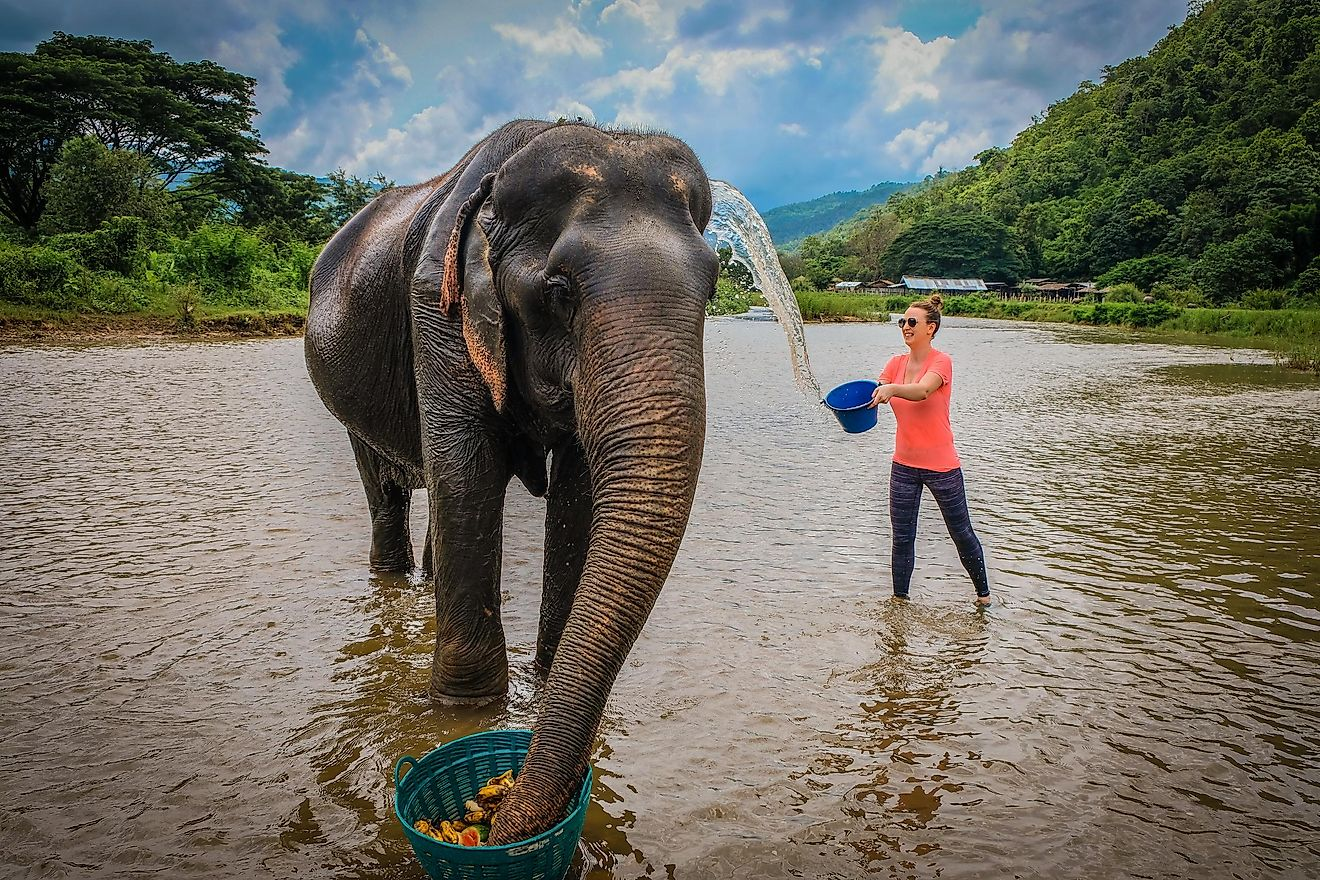
Engaging with animals while travelling can offer unforgettable moments. But not all encounters are created equal. If you value wildlife, habitat, and local culture, knowing how to find ethical animal tourism experiences abroad becomes essential. This article walks you through principles, research tips, decision‑making, and responsible behaviours to make sure your wildlife encounter has a positive impact.
1. What Ethical Animal Tourism Really Means
Ethical animal tourism prioritises the well‑being of animals, respects their natural behaviours and habitats, and ensures that local communities benefit. It’s about observing rather than exploiting. Key hallmarks include:
- Animals living in conditions where they can exhibit natural behaviour and have adequate space.
- No forced shows, rides, or unnatural interactions for photo opportunities.
- A clear connection between tourism and conservation, education, or community support.
- Tourists acting responsibly by maintaining respectful distance, avoiding feeding or touching wild animals, and supporting operators that are transparent.
In short, ethical animal tourism is less about being part of a spectacle and more about being part of a positive solution.
2. How to Research and Evaluate a Wildlife Experience
Before you book, it pays to check how the operation actually works. Here are effective steps:
Conduct a deep dive:
- Ask the host or tour provider about the animal welfare practices: How were the animals acquired? Are they rescued, captive bred, or wild?
- Inquire about the enclosure, habitat or natural setting: Are animals free to roam, or are they visibly confined? Do they display signs of stress (e.g., pacing, withdrawn behaviour)?
- Clarify guest interactions: Are rides, close‑up photo sessions, or feeding encouraged? If yes, this may be a red flag.
- Check for statements about conservation, habitat protection or community benefit: Does the organisation reinvest in local conservation?
- Read reviews or testimonials: What do past visitors say about the animals’ living conditions and whether the experience felt genuine?
3. Red Flags to Avoid
While researching, watch out for these warning signs:
- Animal rides (elephants, tigers, big cats) or performances as part of the tour.
- Constant opportunities for guests to touch or have selfies with wild animals.
- Animals in tiny cages, chain restraints, or showing stereotyped behaviours (like repeated pacing).
- Operators that claim to be “rescues” or “sanctuaries” but still permit tourist shows or intense interaction.
- Lack of transparency about how funds are used, or how the animals came to be there.
- Feeding wild animals to attract tourist photos (which can disrupt ecosystems).
If you spot one or more of these indicators, it’s wiser to look for another provider.
4. Types of Ethical Animal Tourism Experiences
Here are some formats of travel‑wildlife experiences that tend to align with ethical standards:
| Experience Type | What to Expect | Why It’s More Ethical |
|---|---|---|
| Wildlife observation in the wild | Guided walks or safaris where animals are viewed from a distance | Animals stay in their natural habitat, with minimal disturbance |
| Rescue & rehabilitation centres | Animals cannot return to wild, limited tourist interaction | Focus is on welfare, not entertainment |
| Marine wildlife tours (no interference) | Watching whales, dolphins, turtles without touching or feeding them | Supports habitat preservation rather than disruption |
| Community‑based conservation tours | Small groups, local guides, habitat or species focus | Locals benefit economically, animals and ecosystem protected |
5. The Traveller’s Behaviour: What You Can Do Right
Even when you choose a good provider, your own conduct matters. Use these practices:
- Stay on marked paths and avoid venturing into restricted wildlife areas.
- Do NOT feed wild animals unless it is a supervised, ethical program specifically designed for it.
- Avoid flash photography or excessive noise which can stress animals.
- Respect local rules and cultural norms about wildlife.
- Leave no trace: don’t litter, follow guidelines and try to reduce your impact.
- Share your experience responsibly: highlight the welfare aspects rather than promoting harmful interactions.
6. Planning Your Destination & Travel Logistics
When selecting your destination, you might factor in ease of entry or visa‑free access. If you’re a US passport holder, you may explore countries listed among the Visa‑Free Countries for US Passport Holders in 2025, allowing you to travel with fewer entry obstacles. But beyond entry, the key is picking places where wildlife welfare and conservation are taken seriously. Here are adventure‑planning tips:
- Research the country’s wildlife protection laws and track record.
- Choose operators certified or recognised by local or international animal welfare or conservation organisations.
- Prioritise smaller group tours over large, high‑volume tourist operations.
- Consider off‑season travel when fewer tourists mean less stress on animals and habitats.
7. Practical Pre‑Trip Checklist
Before you confirm your booking, run through this checklist:
- ✔ Confirm the animal centre or tour provider explains how animals live and what activities guests will undertake.
- ✔ Ask if human‑animal interactions are voluntary and supervised, not forced.
- ✔ Check group size limits, tour schedule and how much time the animals spend in natural habitat vs. captive settings.
- ✔ Ensure you have emergency contact information, ethical guidelines for guests, and reputable reviews from independent sources.
- ✔ Pack appropriately: good walking shoes, modest and environmentally appropriate clothing, reusable bottle, and remember to keep behavioural standards high.
FAQs
1. Isn’t any wildlife tour better than none?
Not always. Tours that appear “fun” but exploit animals can do more harm than good. Ethical tours allow you to witness animals in conditions that prioritise welfare and conservation.
2. Can I still photograph animals if I go on an ethical tour?
Yes — but the best photos come when animals are allowed to behave naturally, not forced into poses. Photograph from a respectful distance and without disturbing the scene.
3. What about volunteering with animal tourism?
Volunteering can be beneficial, provided the programme focuses on animal welfare and is not simply using volunteers as cheap labour or photo props. Ensure there is genuine conservation work and training.
4. Are fees for ethical tours higher?
Sometimes yes, because proper welfare and habitat costs more. But the richer experience, reduced animal stress and long‑term benefit to the ecosystem make it worthwhile.
5. How can I find reliable tour operators?
Start with wildlife conservation groups, local tourism boards, trusted travel forums and review platforms. Use your checklist above and prefer providers who are transparent, accountable and rated for animal welfare.
Final Thoughts
Learning how to find ethical animal tourism experiences abroad empowers you to explore with purpose. When you choose wisely — doing your research, asking smart questions, supporting the right hosts, and behaving respectfully — your wildlife encounter becomes a genuine moment of connection, education and conservation.