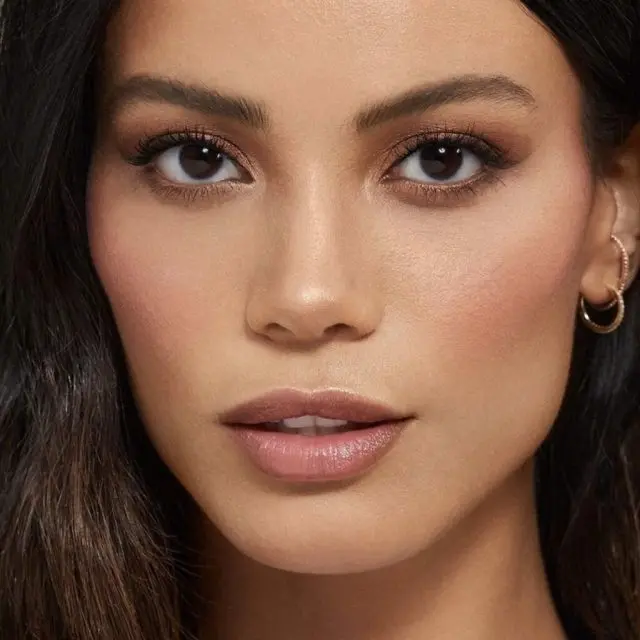
Eyes are often considered the most expressive facial feature, and many people want to make their eyes appear larger, brighter, and more defined. If you have naturally small eyes, the right makeup techniques can create the illusion of bigger, more open eyes without any cosmetic procedures. With a few simple tricks, you can enhance your natural beauty and make your eyes stand out effortlessly.
This guide explains the best makeup hacks for small eyes to look bigger naturally, including application techniques, product tips, and common mistakes to avoid.
Understanding Eye Shapes and Proportions
Before applying makeup, it is important to understand your natural eye shape. Small eyes typically appear more compact, with less visible lid space.
The goal of eye-enhancing makeup is to:
- Open up the eye area
- Add brightness to the eyes
- Create depth and dimension
- Lift and elongate the eye shape
Makeup is all about illusion, and small adjustments can make a big difference.
Essential Makeup Hacks for Small Eyes
1. Use a Light-Colored Concealer Under the Eyes
Dark circles can make eyes look smaller and more tired.
Benefits
- Brightens the under-eye area
- Reflects light
- Creates a lifted appearance
Apply a lightweight concealer one shade lighter than your skin tone for a natural brightening effect.
2. Highlight the Inner Corners of the Eyes
One of the most effective tricks to make eyes look bigger is inner corner highlighting.
How It Helps
- Opens up the eyes
- Adds instant brightness
- Makes eyes appear more awake
Use a soft shimmer or light eyeshadow shade like champagne or pearl in the inner corners.
3. Apply Nude or White Eyeliner on the Waterline
Dark eyeliner on the waterline can make eyes look smaller.
Better Alternative
- Nude eyeliner for a natural look
- White eyeliner for a more dramatic effect
This technique creates the illusion of larger, wider eyes.
4. Curl Your Eyelashes Properly
Curled lashes help lift the eyes and make them appear more open.
Tips
- Use an eyelash curler before applying mascara
- Hold for a few seconds for better lift
- Heat the curler slightly for longer-lasting curl (optional)
5. Apply Lengthening Mascara
Mascara plays a key role in eye enhancement.
Application Tips
- Focus on upper lashes
- Apply mascara from root to tip
- Add extra coats to outer lashes for a lifted effect
Lengthening mascara helps create the illusion of bigger eyes.
6. Avoid Heavy Lower Lash Mascara
Applying too much mascara on lower lashes can make eyes look smaller.
Better Approach
- Apply lightly or skip it entirely
- Focus more on upper lashes
- Use a clean brush for separation if needed
7. Use Eyeliner Strategically
Eyeliner can either enhance or reduce eye size depending on how it is applied.
Best Techniques
- Thin line close to the lash line
- Slight winged liner to elongate eyes
- Avoid thick or heavy eyeliner on the entire lid
A subtle wing lifts the eyes visually.
8. Blend Eyeshadow Above the Crease
Creating depth with eyeshadow helps enlarge the eye area.
Steps
- Apply a neutral base shade
- Add slightly darker shade above the crease
- Blend well for a soft gradient
This creates dimension and makes eyes appear deeper and larger.
9. Use Light, Neutral Eyeshadow Shades
Dark shades can make eyes look smaller if overused.
Best Shades for Small Eyes
- Beige
- Soft browns
- Champagne
- Peach tones
- Light gold
These shades reflect light and open up the eyes.
10. Groom Your Eyebrows Properly
Eyebrows frame the eyes and play a major role in eye appearance.
Tips
- Keep brows well-shaped but natural
- Avoid overly thick or heavy brows
- Slight arch helps lift the face visually
Well-groomed brows create a balanced and lifted eye look.
Eye Makeup Comparison Table
| Technique | Effect on Eyes | Best For |
|---|---|---|
| Nude eyeliner | Makes eyes appear larger | Everyday look |
| Inner corner highlight | Brightens and opens eyes | All eye types |
| Winged eyeliner | Lifts and elongates eyes | Evening makeup |
| Light eyeshadow | Creates natural depth | Natural look |
| Curled lashes | Opens eye shape | All occasions |
Common Makeup Mistakes to Avoid
Many people unintentionally make their eyes look smaller due to incorrect makeup techniques.
Avoid These Mistakes
- Using heavy black eyeliner on waterline
- Applying too much dark eyeshadow
- Skipping eyelash curling
- Overloading lower lashes with mascara
- Ignoring blending techniques
Small adjustments can significantly improve eye appearance.
Natural Tips to Enhance Eye Appearance
Makeup works best when combined with healthy habits.
Get Enough Sleep
Lack of sleep can cause puffiness and dark circles, making eyes look smaller.
Stay Hydrated
Proper hydration helps reduce under-eye dullness and puffiness.
Eat Eye-Friendly Foods
Include:
- Carrots
- Leafy greens
- Citrus fruits
- Nuts
- Fish rich in omega-3
Healthy nutrition supports overall skin and eye appearance.
Step-by-Step Simple Eye Makeup Routine
Morning Natural Look
| Step | Action |
|---|---|
| 1 | Apply concealer under eyes |
| 2 | Use light eyeshadow base |
| 3 | Curl lashes |
| 4 | Apply lengthening mascara |
| 5 | Highlight inner corners |
This routine creates a fresh and naturally enlarged eye look.
Evening Glam Look
| Step | Action |
|---|---|
| 1 | Apply primer and concealer |
| 2 | Add blended eyeshadow |
| 3 | Apply thin winged eyeliner |
| 4 | Curl lashes and apply mascara |
| 5 | Highlight brow bone |
This creates a more dramatic, eye-enhancing effect.
Conclusion
Learning makeup hacks for small eyes to look bigger naturally is all about using light, strategic techniques that enhance your natural features. Simple steps like highlighting inner corners, using nude eyeliner, curling lashes, and applying light eyeshadow can dramatically transform your eye appearance without heavy makeup.
With practice and the right techniques, you can achieve brighter, more open-looking eyes while still maintaining a natural and elegant look. Makeup is not about changing your features but enhancing them in the most flattering way possible.
Frequently Asked Questions (FAQs)
How can I make my small eyes look bigger naturally?
Using light eyeshadow, curling lashes, highlighting inner corners, and applying nude eyeliner can help make eyes appear larger.
Does eyeliner make eyes look smaller?
Heavy black eyeliner, especially on the waterline, can make eyes look smaller. Light or thin eyeliner works better for small eyes.
What mascara is best for small eyes?
Lengthening mascara that separates and lifts lashes is ideal for creating a bigger eye effect.
Can eyebrows affect how big eyes look?
Yes. Well-shaped eyebrows help frame the eyes and can make them appear more lifted and open.
Is nude eyeliner really effective?
Yes. Nude eyeliner on the waterline creates the illusion of larger, more open eyes.
Do dark eyeshadows make eyes smaller?
Excessive use of dark eyeshadow can make eyes appear smaller, while lighter shades help open them up.