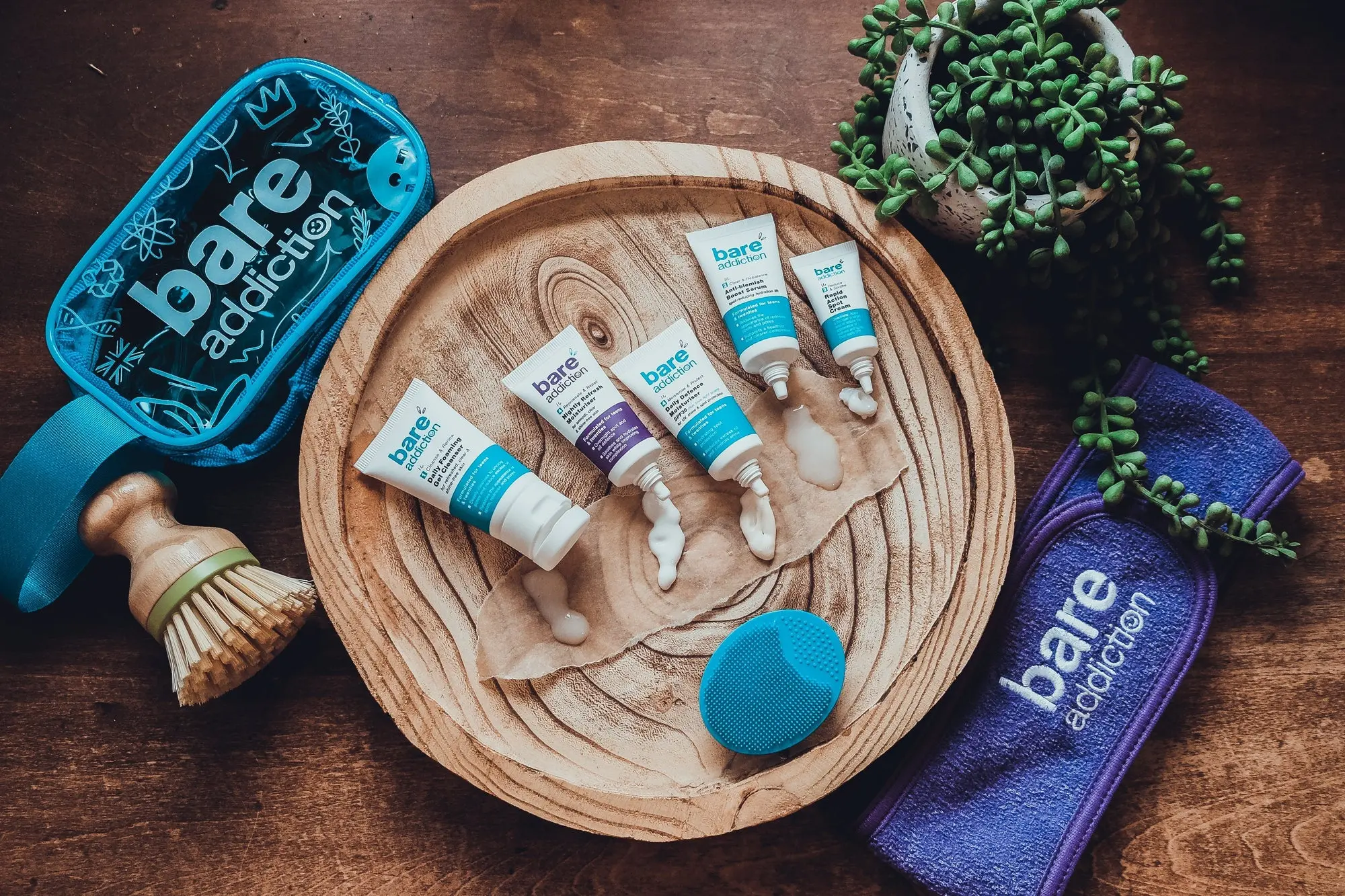
Acne is one of the most common skin concerns among teenagers. Hormonal changes during adolescence often lead to increased oil production, clogged pores, and breakouts. While acne is a normal part of growing up, following the right skincare routine can help reduce blemishes, control excess oil, and keep the skin healthy.
A simple and consistent skincare routine is often more effective than using too many products. This guide explains the best skincare routine for acne prone teenagers and offers practical tips for maintaining clearer, healthier skin.
What Causes Acne in Teenagers?
Teen acne develops when hair follicles become clogged with oil, dead skin cells, and bacteria. Several factors can contribute to breakouts, including:
- Hormonal changes
- Excess oil production
- Clogged pores
- Bacteria on the skin
- Stress
- Certain cosmetic products
- Genetics
- Touching or picking at pimples
Understanding these causes can help teenagers choose skincare habits that support healthier skin.
Benefits of a Consistent Skincare Routine
Following a regular skincare routine offers several benefits, including:
- Reduced acne breakouts
- Better control of excess oil
- Cleaner pores
- Improved skin texture
- Fewer acne marks
- Healthier skin barrier
- Greater confidence
Consistency is more important than using a large number of products.
Step 1: Cleanse Your Face Twice Daily
Cleansing is the foundation of every skincare routine.
Wash your face every morning and evening with a gentle cleanser formulated for acne-prone skin. Cleansing removes excess oil, dirt, sweat, and impurities that can clog pores.
Avoid scrubbing your skin aggressively, as this may cause irritation and worsen breakouts.
Step 2: Use an Acne Treatment
After cleansing, apply an acne treatment if recommended for your skin type.
Ingredients commonly found in over-the-counter acne products include:
- Salicylic acid
- Benzoyl peroxide
- Niacinamide
- Azelaic acid
Start slowly to minimize irritation and follow the product instructions carefully.
Step 3: Moisturize Every Day
Many teenagers skip moisturizer because they believe it causes oily skin.
In reality, using a lightweight, oil-free, non-comedogenic moisturizer helps maintain the skin’s natural moisture barrier and may reduce dryness caused by acne treatments.
Hydrated skin is often healthier and more comfortable.
Step 4: Apply Sunscreen Every Morning
Sun protection is important even for acne-prone skin.
Choose a lightweight, non-comedogenic sunscreen with SPF 30 or higher. Daily sunscreen use helps protect the skin from sun damage and may reduce the appearance of post-acne marks over time.
Recommended Daily Skincare Routine
| Step | Product Type | Purpose |
|---|---|---|
| Cleanser | Gentle acne cleanser | Removes oil and dirt |
| Treatment | Acne treatment | Helps reduce breakouts |
| Moisturizer | Oil-free moisturizer | Maintains hydration |
| Sunscreen | SPF 30 or higher | Protects skin from UV rays |
| Evening Cleanser | Gentle cleanser | Removes impurities before bed |
Choose Non-Comedogenic Products
Products labeled “non-comedogenic” are designed to reduce the likelihood of clogging pores.
When selecting skincare or makeup products, look for formulas that are:
- Oil-free
- Lightweight
- Fragrance-free if you have sensitive skin
- Non-comedogenic
These products are generally better suited for acne-prone skin.
Avoid Picking Pimples
Picking or squeezing acne can:
- Increase inflammation
- Delay healing
- Raise the risk of acne scars
- Spread bacteria
Instead, allow blemishes to heal naturally or use appropriate acne treatments.
Wash Pillowcases and Towels Regularly
Clean fabrics help reduce the buildup of oil, bacteria, and dirt.
For better skin hygiene:
- Change pillowcases regularly.
- Use a clean face towel.
- Wash makeup brushes frequently.
- Avoid sharing personal skincare items.
These simple habits support healthier skin.
Eat a Balanced Diet
Although diet is not the sole cause of acne, nutritious eating supports overall skin health.
Focus on foods such as:
- Fresh fruits
- Vegetables
- Whole grains
- Lean proteins
- Healthy fats
- Plenty of water
A balanced diet contributes to overall wellness and supports healthy skin.
Manage Stress
Stress can contribute to acne flare-ups for some teenagers.
Healthy stress management techniques include:
- Regular exercise
- Reading
- Deep breathing
- Spending time outdoors
- Talking with trusted family members or friends
- Getting enough sleep
Taking care of your mental well-being benefits your overall health.
Get Enough Sleep
Quality sleep allows your body and skin to recover.
Aim for eight to ten hours of sleep each night to support healthy skin and overall development during the teenage years.
Common Skincare Mistakes Teenagers Should Avoid
Many acne problems become worse because of everyday habits.
Avoid these common mistakes:
- Washing your face too often
- Scrubbing your skin harshly
- Skipping moisturizer
- Sleeping with makeup on
- Touching your face frequently
- Trying too many new products at once
- Ignoring sunscreen
- Picking pimples
Simple changes can improve your skincare results.
Tips for Long-Term Acne Management
Healthy skin requires patience and consistency.
Follow these tips:
- Stick to a simple routine.
- Introduce new products gradually.
- Stay hydrated.
- Keep your hair clean and away from your face.
- Exercise regularly.
- Remove makeup before sleeping.
- Follow product directions carefully.
Results often take several weeks, so avoid expecting overnight improvements.
Frequently Asked Questions
How often should teenagers wash their face?
Most teenagers should wash their face twice daily—once in the morning and once before bedtime. Additional cleansing may be helpful after heavy sweating.
Should teenagers moisturize oily skin?
Yes. An oil-free, non-comedogenic moisturizer helps maintain the skin barrier and can reduce dryness caused by acne treatments.
Is sunscreen necessary for acne-prone skin?
Yes. Daily sunscreen helps protect the skin from UV damage and may reduce the appearance of acne marks.
How long does it take for an acne routine to work?
Many people begin noticing improvement after four to eight weeks of consistent use. Results vary depending on skin type and the products used.
When should a teenager see a dermatologist?
If acne is severe, painful, leaves scars, or does not improve after several weeks of consistent skincare, consulting a dermatologist is recommended for personalized treatment.
Conclusion
The best skincare routine for acne prone teenagers focuses on consistency, gentle cleansing, proper hydration, sun protection, and appropriate acne treatments. Avoiding harsh products, resisting the urge to pick pimples, and maintaining healthy daily habits can make a noticeable difference over time. Clearer skin rarely happens overnight, but with patience and a simple routine tailored to your skin’s needs, teenagers can build healthier skincare habits and improve their complexion with confidence.