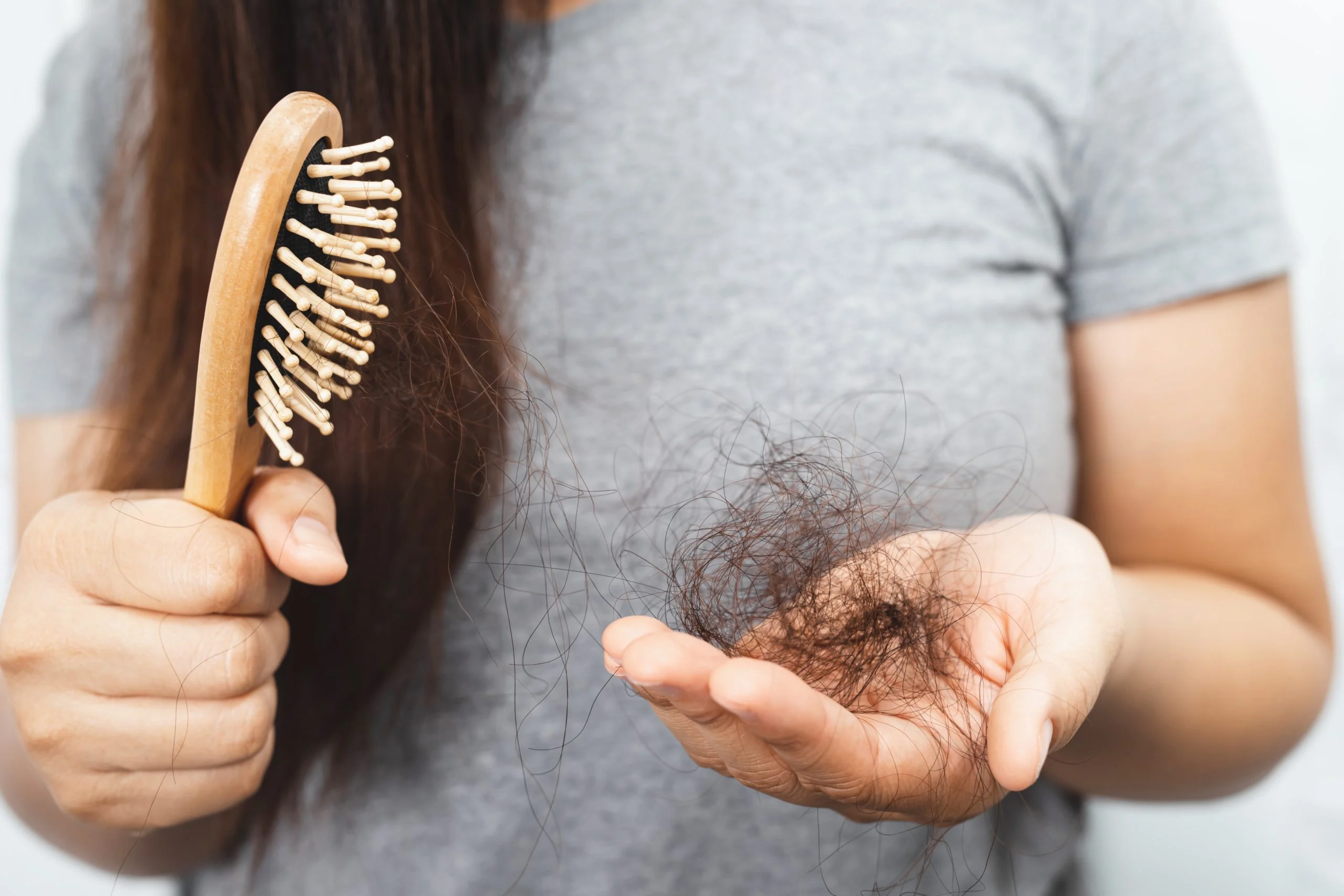
Hair fall is a common concern that affects many people due to factors like stress, poor nutrition, hormonal changes, harsh hair products, and environmental conditions. Losing some hair every day is normal, but excessive hair fall may indicate that your hair needs better care and attention.
Learning how to reduce hair fall naturally at home can help you build healthier hair habits using simple lifestyle changes, natural ingredients, and proper hair care techniques.
Common Causes of Hair Fall
Understanding the reason behind hair fall is the first step toward managing it. Several factors can contribute to increased hair shedding.
Common causes include:
- Stress and lack of sleep
- Poor diet and nutritional deficiencies
- Excessive heat styling
- Frequent chemical treatments
- Harsh shampoos or hair products
- Tight hairstyles
- Scalp dryness
- Hormonal changes
Identifying possible triggers can help you choose the right approach for your hair care routine.
Maintain a Healthy Diet for Stronger Hair
Hair growth depends on receiving proper nutrients. A balanced diet provides the building blocks needed for stronger-looking hair.
Include foods rich in:
Protein
Hair is mainly made of protein, so foods like eggs, fish, beans, and nuts can support overall hair health.
Vitamins and Minerals
Nutrients such as iron, zinc, vitamin D, and vitamins from the B group play important roles in maintaining healthy hair.
Healthy Fats
Foods containing omega-3 fatty acids, such as certain fish, seeds, and nuts, may help support scalp health.
A nutritious diet is one of the most important natural steps for reducing excessive hair fall.
Use Gentle Hair Care Practices
The way you handle your hair can affect breakage and shedding. Gentle care helps protect hair strands from unnecessary damage.
Helpful habits include:
- Avoid aggressive towel drying
- Use a wide-tooth comb
- Avoid brushing wet hair roughly
- Reduce frequent heat styling
- Choose mild hair products
- Avoid very tight hairstyles
Small changes in daily habits can help prevent avoidable hair damage.
Try Natural Hair Oils
Natural oils are commonly used in home hair care routines to improve moisture and scalp condition.
Popular options include:
Coconut Oil
Coconut oil is often used to condition hair and reduce dryness.
Castor Oil
Castor oil is traditionally used in hair care routines because of its thick texture and moisturizing properties.
Rosemary Oil
Rosemary oil is often included in scalp care routines, usually diluted with a carrier oil.
Always perform a patch test before applying new products to your scalp.
Practice Scalp Massage
A gentle scalp massage may help increase relaxation and improve the feel of the scalp. Many people include scalp massage as part of their hair care routine.
How to do it:
- Use your fingertips instead of nails.
- Massage gently in circular motions.
- Continue for a few minutes.
- Avoid applying too much pressure.
Regular scalp care can help create a healthier environment for hair.
Reduce Stress and Improve Sleep
Stress can affect the body in many ways, including changes in hair growth cycles. Managing stress and getting enough rest may support overall wellness.
Helpful habits:
- Practice relaxation techniques
- Exercise regularly
- Maintain a consistent sleep schedule
- Take breaks from daily stress
A healthier lifestyle supports your body, including your hair.
Choose the Right Hair Products
Using products that match your hair type can make a difference. Harsh ingredients or excessive product buildup may make hair feel weak or dry.
Look for:
- Gentle shampoos
- Moisturizing conditioners
- Scalp-friendly ingredients
- Products suitable for your hair texture
Avoid changing products too frequently, as consistency helps you understand what works best.
Comparison Table: Natural Ways to Reduce Hair Fall
| Method | How It Helps | Best For |
|---|---|---|
| Balanced Diet | Provides essential nutrients | Overall hair health |
| Scalp Massage | Supports scalp care routine | Dry or stressed scalp |
| Coconut Oil | Adds moisture | Dry hair |
| Stress Management | Supports overall wellness | Stress-related concerns |
| Gentle Hair Care | Reduces breakage | Damaged hair |
Home Remedies for Hair Fall
Some people use simple home remedies as part of their hair care routine.
Common options include:
Onion Juice
Onion juice is a traditional home remedy used by some people for scalp care. It may not work for everyone and can cause irritation for sensitive skin.
Aloe Vera
Aloe vera is often used to provide soothing moisture and support scalp comfort.
Fenugreek Mask
Fenugreek seeds are commonly used in traditional hair care routines to improve hair texture and moisture.
Before using any remedy regularly, make sure it suits your scalp and does not cause irritation.
Things to Avoid for Less Hair Fall
Certain habits can increase hair damage and breakage.
Avoid:
- Excessive use of hair dyes
- Frequent straightening or curling
- Washing hair with very hot water
- Overusing styling products
- Ignoring scalp problems
Protecting your hair from unnecessary stress can help maintain its appearance.
FAQs: How to Reduce Hair Fall Naturally at Home
1. How can I reduce hair fall quickly at home?
Reducing hair fall usually requires consistent care. Improving diet, reducing stress, and following gentle hair practices can support healthier hair over time.
2. Which oil is best for reducing hair fall?
Coconut oil, castor oil, and diluted rosemary oil are commonly used in hair care routines, but results can vary depending on the individual.
3. Can diet affect hair fall?
Yes. A balanced diet with enough protein, vitamins, and minerals supports overall hair health.
4. How often should I oil my hair?
Many people oil their hair once or twice a week, but the ideal frequency depends on hair type and scalp condition.
5. Is hair fall completely preventable?
Some daily hair shedding is normal. The goal is to reduce excessive shedding and maintain healthy hair habits.
Conclusion
Learning how to reduce hair fall naturally at home involves taking care of your hair from both inside and outside. A nutritious diet, gentle hair practices, proper scalp care, and stress management can all contribute to healthier-looking hair.
Natural methods require patience and consistency. By creating a balanced routine and avoiding damaging habits, you can support stronger, smoother, and healthier hair over time.