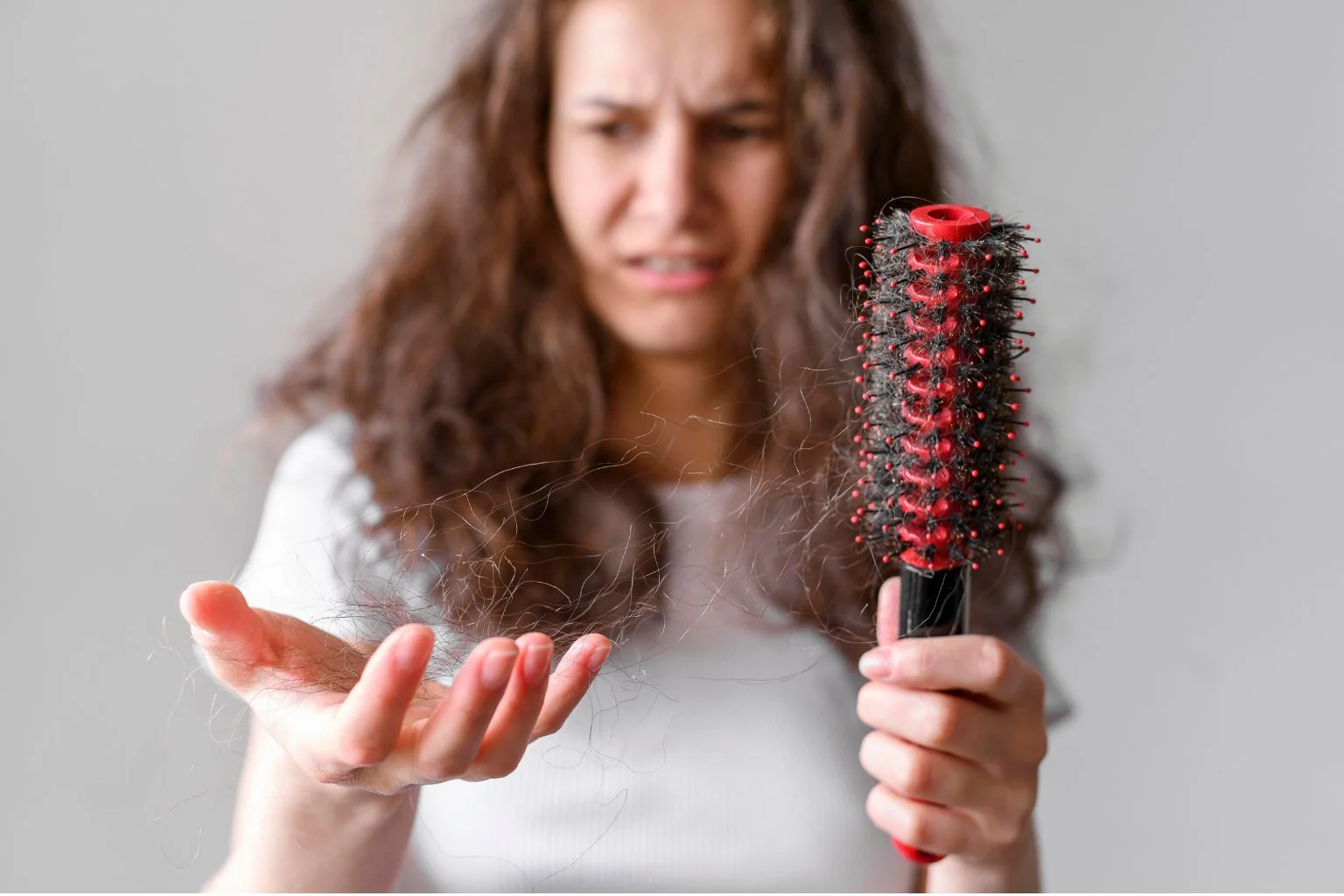
Damaged hair can become dry, weak, rough, and difficult to manage due to heat styling, chemical treatments, coloring, environmental factors, and improper hair care habits. The good news is that with the right hair care routine, damaged hair can become healthier, smoother, and stronger over time.
A proper damaged hair repair routine focuses on restoring moisture, reducing breakage, protecting the hair structure, and preventing further damage. Consistency and choosing the right products for your hair type are key to improving hair health.
Common Causes of Hair Damage
Before repairing damaged hair, it is important to understand what causes it.
Common reasons include:
- Frequent heat styling
- Hair coloring and chemical treatments
- Excessive washing
- Lack of moisture
- Sun exposure
- Harsh hair products
- Tight hairstyles
- Poor nutrition
Identifying the cause helps create a better repair routine.
Damaged Hair Repair Routine Overview
| Step | Hair Care Product | Main Benefit |
|---|---|---|
| 1 | Gentle Shampoo | Cleans without excessive dryness |
| 2 | Deep Conditioner | Restores moisture |
| 3 | Hair Mask | Repairs and strengthens |
| 4 | Leave-In Conditioner | Improves softness |
| 5 | Hair Oil | Adds nourishment |
| 6 | Heat Protectant | Prevents future damage |
Step 1: Use a Gentle Shampoo
The first step in repairing damaged hair is choosing the right shampoo.
Avoid shampoos that are too harsh because they can remove natural oils and make hair drier.
Look for:
- Moisturizing formulas
- Gentle cleansing ingredients
- Products suitable for your hair type
Wash your hair based on your scalp needs rather than washing too frequently.
Step 2: Deep Condition Regularly
Conditioner is essential for damaged hair because it helps restore moisture and improve manageability.
A good conditioner can help:
- Reduce dryness
- Improve softness
- Reduce tangling
- Make hair easier to style
Apply conditioner mainly to the mid-lengths and ends, where damage is usually more noticeable.
Step 3: Use a Repair Hair Mask
Hair masks provide deeper care compared to regular conditioners.
A weekly hair mask can help:
- Improve strength
- Reduce roughness
- Add hydration
- Improve overall texture
Ingredients commonly used in repair-focused hair products include:
- Protein-based ingredients
- Natural oils
- Moisturizing agents
- Strengthening compounds
Choose a mask according to your hair needs.
Step 4: Add a Leave-In Conditioner
Leave-in products provide extra protection after washing.
They can help:
- Reduce frizz
- Improve smoothness
- Protect hair from environmental stress
Apply a small amount to damp hair and avoid applying too much near the roots.
Step 5: Use Hair Oil for Extra Nourishment
Hair oils can help improve the appearance of dry and damaged hair.
Benefits may include:
- Added shine
- Reduced dryness
- Softer texture
- Better manageability
Apply oil mainly to the ends if your hair becomes greasy easily.
Step 6: Protect Hair From Heat Damage
Heat styling is one of the biggest causes of hair damage.
Before using:
- Hair dryers
- Straighteners
- Curling tools
Always apply a heat protectant.
Additional tips:
- Use lower heat settings.
- Avoid daily heat styling.
- Let hair dry naturally when possible.
Best Hair Care Routine for Different Hair Types
| Hair Type | Recommended Focus |
|---|---|
| Dry Hair | Moisture and hydration |
| Frizzy Hair | Smoothing and conditioning |
| Fine Hair | Lightweight repair products |
| Curly Hair | Moisture and curl protection |
| Chemically Treated Hair | Strengthening and repair |
Tips to Prevent More Hair Damage
Repairing hair is important, but preventing future damage matters too.
Helpful habits include:
- Avoid excessive heat styling
- Trim damaged ends regularly
- Use gentle hair accessories
- Protect hair from sun exposure
- Avoid aggressive brushing
- Sleep on smooth fabrics when possible
Small changes can make a big difference.
How Often Should You Wash Damaged Hair?
The ideal washing frequency depends on:
- Scalp oil production
- Hair texture
- Lifestyle
Washing too often may increase dryness, while not washing enough may affect scalp health.
Find a routine that keeps your scalp clean without removing too much moisture.
Importance of Hair Trimming
Split ends cannot be completely repaired with products.
Regular trims help:
- Remove damaged ends
- Prevent splitting from moving upward
- Improve overall appearance
Healthy growth starts with maintaining the condition of existing hair.
Foods That Support Healthy Hair
Hair health is also connected to overall nutrition.
A balanced diet with:
- Protein sources
- Vitamins
- Minerals
- Healthy fats
can support stronger-looking hair.
Good hydration also helps maintain overall hair condition.
Common Hair Care Mistakes That Cause Damage
Avoid:
- Brushing wet hair roughly
- Using too much styling product
- Applying heat without protection
- Sleeping with wet hair
- Overusing chemical treatments
- Ignoring scalp care
Healthy habits improve long-term results.
How Long Does Damaged Hair Repair Take?
The timeline depends on the level of damage.
Mild damage may improve with consistent care, while severely damaged hair may require more time and trimming.
A regular routine usually creates gradual improvement in:
- Texture
- Softness
- Manageability
- Appearance
Frequently Asked Questions
Can damaged hair become healthy again?
Yes, proper care can improve the appearance and strength of damaged hair, although severely damaged sections may require trimming.
How often should I use a hair mask for damaged hair?
Many people use a repair hair mask once a week, but the ideal frequency depends on hair condition and product type.
What is the best treatment for dry damaged hair?
A combination of moisturizing shampoo, conditioner, hair masks, leave-in products, and heat protection can help improve dry damaged hair.
Does cutting hair repair damage?
Trimming removes split and damaged ends, helping hair look healthier and preventing further splitting.
How can I prevent future hair damage?
Reduce heat styling, use protective products, avoid harsh treatments, and maintain a consistent hair care routine.
Final Thoughts
The best hair care routine for damaged hair repair focuses on restoring moisture, strengthening weak strands, and preventing future problems. Using gentle products, conditioning regularly, protecting hair from heat, and maintaining healthy habits can help improve damaged hair over time. Consistency is the most important part of achieving smoother, stronger, and healthier-looking hair.