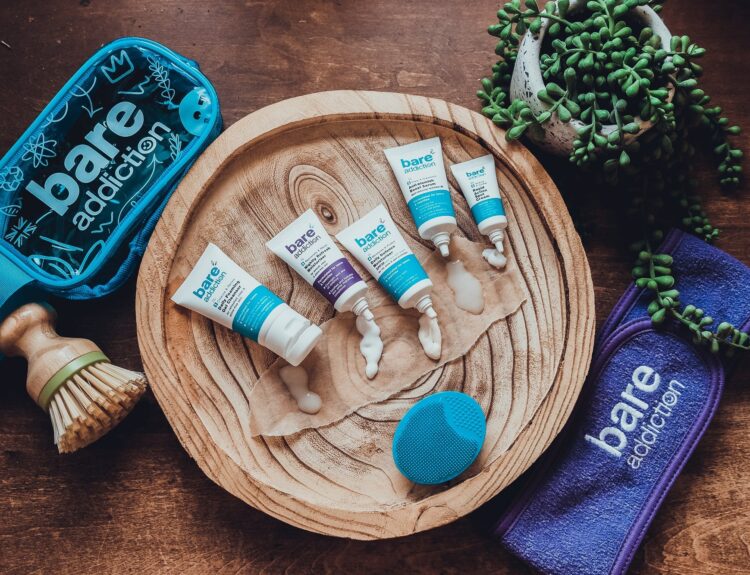
Healthy skin begins with a strong skin barrier. While many people focus on treating acne, wrinkles, or dark spots, the condition of your skin barrier plays a major role in how well your skincare routine works. A damaged skin barrier can lead to dryness, irritation, redness, breakouts, and increased sensitivity, making even the best skincare products less effective.
Choosing skincare products based on your skin barrier health helps protect your skin while addressing your specific concerns. Instead of relying on harsh treatments, selecting barrier-friendly products can improve hydration, reduce irritation, and support long-term skin health.
This guide explains how to choose skincare products based on skin barrier health and build a routine that keeps your skin balanced and resilient.
What Is the Skin Barrier?
The skin barrier is the outermost layer of your skin. It acts as a protective shield that keeps moisture inside while defending against pollutants, bacteria, allergens, and environmental damage.
A healthy skin barrier helps your skin remain:
- Smooth
- Hydrated
- Soft
- Comfortable
- Less prone to irritation
When the barrier becomes damaged, your skin loses moisture more easily and becomes more vulnerable to external stressors.
Signs of a Damaged Skin Barrier
Recognizing the condition of your skin barrier can help you choose the right products.
Common signs include:
- Dryness
- Tightness after cleansing
- Redness
- Flaking
- Burning or stinging
- Increased sensitivity
- Rough texture
- Frequent breakouts
- Itchy skin
If you notice several of these symptoms, your skin may benefit from a barrier-focused routine.
Why Skin Barrier Health Matters
A healthy skin barrier improves the effectiveness of your entire skincare routine.
When your barrier is functioning properly, it can:
- Retain moisture more effectively
- Reduce irritation
- Support faster skin recovery
- Improve product absorption
- Protect against environmental damage
Healthy skin is often better able to tolerate active ingredients like retinol and exfoliating acids.
Ingredients That Support Skin Barrier Health
Choosing products with barrier-supporting ingredients is one of the best ways to maintain healthy skin.
| Ingredient | Main Benefit |
|---|---|
| Ceramides | Strengthen the skin barrier |
| Hyaluronic Acid | Attracts and retains moisture |
| Glycerin | Improves skin hydration |
| Squalane | Softens and protects the skin |
| Panthenol | Calms irritation and supports repair |
| Niacinamide | Strengthens the barrier and reduces redness |
These ingredients work together to improve hydration and reinforce the skin’s natural protective layer.
Choose a Gentle Cleanser
Your cleanser sets the foundation for your skincare routine.
Look for cleansers that:
- Remove dirt without over-drying
- Maintain your skin’s natural moisture
- Have a gentle, non-stripping formula
Avoid cleansers containing harsh detergents or high amounts of alcohol if your skin barrier is already compromised.
After cleansing, your skin should feel clean but not tight.
Select a Hydrating Moisturizer
Moisturizer is essential for protecting the skin barrier.
Choose a moisturizer based on your skin type.
Dry Skin
Look for richer creams containing:
- Ceramides
- Shea butter
- Squalane
Oily Skin
Choose lightweight gel or lotion formulas with:
- Glycerin
- Hyaluronic acid
- Niacinamide
Combination Skin
Balanced moisturizers containing lightweight hydrating ingredients usually work well.
Regardless of skin type, daily moisturizing helps reduce water loss.
Be Careful with Active Ingredients
Powerful ingredients can deliver excellent results, but overuse may weaken the skin barrier.
Examples include:
- Retinol
- Glycolic acid
- Salicylic acid
- Lactic acid
If your skin barrier is damaged:
- Reduce the frequency of active ingredients.
- Introduce one active product at a time.
- Always follow with moisturizer.
Healthy skin tolerates active ingredients much better than compromised skin.
Avoid Over-Exfoliation
Exfoliation removes dead skin cells, but excessive exfoliation may damage your skin barrier.
Most people only need chemical exfoliation once or twice each week.
Signs of over-exfoliation include:
- Burning
- Redness
- Peeling
- Increased sensitivity
Less can often be more when it comes to maintaining healthy skin.
Choose Fragrance-Free Products If Needed
Fragrance is not harmful for everyone, but individuals with sensitive or damaged skin barriers may prefer fragrance-free skincare.
This can reduce the risk of irritation while allowing the skin to recover more comfortably.
Don’t Forget Sunscreen
Daily sunscreen protects your skin barrier from ultraviolet damage.
UV rays accelerate collagen breakdown and weaken the skin’s natural defenses.
Choose a broad-spectrum sunscreen with SPF 30 or higher every morning.
Consistent sun protection supports healthier skin over the long term.
Build a Simple Routine
Complicated skincare routines are not always better.
A basic barrier-friendly routine often includes:
| Morning Routine | Evening Routine |
|---|---|
| Gentle Cleanser | Gentle Cleanser |
| Moisturizer | Treatment Product (if needed) |
| Sunscreen | Moisturizer |
Once your skin barrier becomes healthier, you can gradually introduce additional treatments if necessary.
Lifestyle Habits That Support Skin Barrier Health
Healthy skin depends on more than skincare products.
Helpful daily habits include:
- Drinking enough water
- Eating nutrient-rich foods
- Sleeping seven to nine hours
- Managing stress
- Avoiding smoking
- Limiting excessive hot showers
Supporting your overall health also supports your skin.
Common Mistakes When Choosing Skincare
Avoid these common errors:
- Using too many products at once
- Switching products too frequently
- Over-exfoliating
- Skipping moisturizer
- Ignoring sunscreen
- Choosing products based only on trends
Instead, focus on consistency and ingredients that support your skin’s needs.
How Long Does Skin Barrier Recovery Take?
Recovery depends on the severity of the damage.
Minor irritation may improve within a few days, while a significantly compromised barrier may require several weeks of gentle skincare.
Patience and consistency are essential.
Avoid introducing multiple new products while your skin is healing.
Conclusion
Choosing skincare products based on skin barrier health is one of the smartest ways to build an effective skincare routine. A healthy barrier protects your skin, locks in moisture, and allows beneficial ingredients to work more efficiently.
By selecting gentle cleansers, hydrating moisturizers, barrier-supporting ingredients like ceramides and niacinamide, and using sunscreen daily, you can strengthen your skin’s natural defenses while reducing irritation. With a consistent and balanced routine, your skin can become healthier, smoother, and more resilient over time.
Frequently Asked Questions (FAQs)
1. What is the skin barrier?
The skin barrier is the outer protective layer of the skin that prevents moisture loss and protects against environmental damage, bacteria, and irritants.
2. How do I know if my skin barrier is damaged?
Common signs include dryness, redness, burning, tightness, flaking, increased sensitivity, and irritation after applying skincare products.
3. Which ingredients are best for repairing the skin barrier?
Ceramides, hyaluronic acid, glycerin, panthenol, squalane, and niacinamide are among the most effective ingredients for supporting skin barrier health.
4. Can I use retinol if my skin barrier is damaged?
It’s best to reduce or temporarily pause retinol use until your skin barrier has recovered. Once your skin feels healthy again, reintroduce it gradually.
5. How long does it take to repair the skin barrier?
Mild damage may improve within a few days, while more significant damage can take several weeks of consistent, gentle skincare to heal.