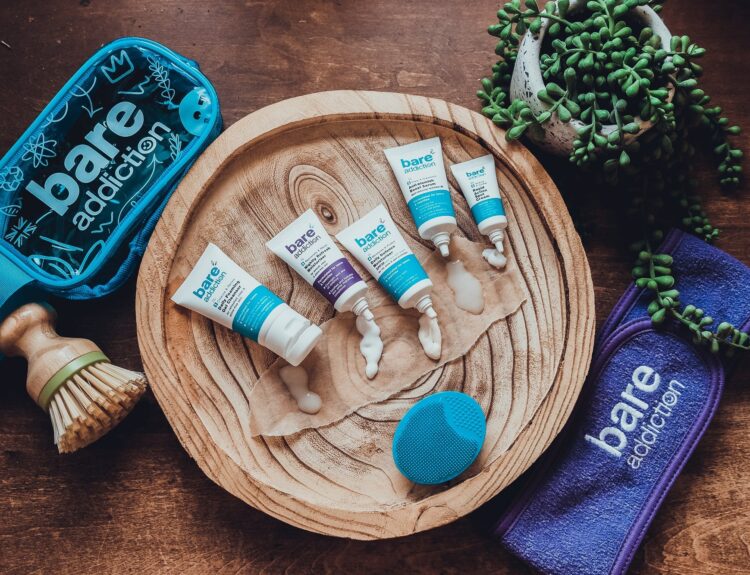
Collagen is one of the most important proteins in the body, providing structure, strength, and elasticity to your skin. As we age, natural collagen production gradually declines, leading to fine lines, wrinkles, and loss of firmness. While cosmetic procedures can temporarily improve skin appearance, many people prefer natural, non-invasive methods to maintain youthful, healthy skin.
The good news is that simple daily beauty habits can help support your skin’s natural collagen production. By following a consistent skincare routine and adopting healthy lifestyle practices, you can encourage firmer, smoother, and more radiant skin over time.
This guide explores the best beauty habits that support collagen production without invasive treatments.
Why Is Collagen Important?
Collagen is the primary structural protein found in your skin. It helps maintain firmness, elasticity, and hydration while supporting the skin’s overall strength.
As collagen levels decrease with age, your skin may experience:
- Fine lines and wrinkles
- Loss of firmness
- Sagging skin
- Dryness
- Rough texture
Supporting collagen production naturally can help slow these visible signs of aging.
Daily Habits That Promote Collagen Production
Consistency is more important than using expensive products. Small daily habits often provide lasting improvements over time.
| Beauty Habit | Benefit for Collagen |
|---|---|
| Daily sunscreen | Protects existing collagen from UV damage |
| Gentle cleansing | Maintains a healthy skin barrier |
| Retinol use | Encourages collagen production |
| Vitamin C serum | Supports collagen synthesis |
| Moisturizing | Keeps skin hydrated and resilient |
| Healthy sleep | Promotes overnight skin repair |
Always Wear Sunscreen
Sun exposure is one of the biggest causes of collagen breakdown.
Ultraviolet (UV) rays damage collagen fibers and accelerate premature aging, making sunscreen one of the most effective anti-aging habits.
Choose a broad-spectrum sunscreen with SPF 30 or higher and apply it every morning, even on cloudy days.
Daily sun protection preserves your skin’s natural collagen and helps prevent new wrinkles from forming.
Cleanse Your Skin Gently
A gentle cleanser removes dirt, excess oil, and makeup without stripping away your skin’s natural moisture.
Avoid harsh cleansers that leave your skin feeling tight or dry.
Healthy skin barriers are better able to repair themselves and support natural collagen maintenance.
Use Retinol Wisely
Retinol is one of the most researched skincare ingredients for improving skin firmness.
Regular use can help:
- Stimulate collagen production
- Improve skin texture
- Reduce fine lines
- Minimize wrinkles
- Promote smoother skin
If you’re new to retinol, begin with a lower concentration and use it only a few nights each week before increasing frequency.
Apply Vitamin C Every Morning
Vitamin C plays an important role in collagen synthesis.
In addition to supporting collagen production, it also:
- Brightens dull skin
- Reduces the appearance of dark spots
- Protects against environmental stress
- Improves overall skin tone
Layer a Vitamin C serum underneath your moisturizer and sunscreen during your morning routine.
Keep Your Skin Hydrated
Hydrated skin looks healthier, smoother, and more youthful.
Moisturizers help reduce water loss while supporting the skin barrier.
Look for ingredients such as:
- Hyaluronic acid
- Ceramides
- Glycerin
- Squalane
- Shea butter
Although moisturizers do not directly increase collagen, they create an environment where skin functions more effectively.
Eat a Skin-Friendly Diet
Nutrition plays an important role in healthy skin.
Foods that support collagen production include:
- Citrus fruits
- Berries
- Leafy green vegetables
- Bell peppers
- Tomatoes
- Eggs
- Fish
- Nuts
- Seeds
Vitamin C, zinc, copper, and protein all contribute to the body’s natural collagen-building process.
Stay Hydrated
Water helps maintain healthy skin function.
While drinking more water alone won’t increase collagen production, staying properly hydrated supports skin elasticity and overall appearance.
Aim to drink enough fluids throughout the day according to your activity level and climate.
Get Enough Quality Sleep
Your skin repairs itself while you sleep.
During deep sleep, the body works to rebuild damaged tissues and produce proteins necessary for healthy skin.
Aim for seven to nine hours of quality sleep each night to support natural skin renewal.
Avoid Smoking
Smoking significantly accelerates collagen breakdown.
It reduces blood flow to the skin and increases oxidative stress, contributing to:
- Wrinkles
- Uneven skin tone
- Loss of firmness
- Premature aging
Avoiding tobacco products is one of the most beneficial choices for long-term skin health.
Manage Stress
Long-term stress can negatively affect your skin.
High stress levels may increase inflammation and interfere with normal skin repair processes.
Helpful stress-management techniques include:
- Meditation
- Regular exercise
- Deep breathing
- Reading
- Spending time outdoors
- Maintaining a healthy work-life balance
Healthy skin often reflects overall wellness.
Exercise Regularly
Regular physical activity improves circulation.
Better blood flow helps deliver oxygen and nutrients to skin cells while supporting healthy skin function.
Aim for at least 150 minutes of moderate exercise each week.
Avoid Excess Sugar
High sugar intake may contribute to a process known as glycation.
Glycation damages collagen fibers, reducing their flexibility and making the skin appear older over time.
Choosing a balanced diet with fewer processed sugars can support healthier skin.
Ingredients That May Support Collagen
Several skincare ingredients are commonly included in anti-aging routines.
| Ingredient | Main Benefit |
|---|---|
| Retinol | Stimulates collagen production |
| Vitamin C | Supports collagen synthesis |
| Peptides | Help improve skin firmness |
| Niacinamide | Strengthens the skin barrier |
| Hyaluronic Acid | Boosts skin hydration |
| Ceramides | Protect the skin barrier |
Using these ingredients consistently often provides better results than frequently changing products.
Be Patient and Stay Consistent
Collagen production takes time.
Visible improvements usually appear after several weeks or months of consistent skincare and healthy habits.
Instead of searching for quick fixes, focus on building a sustainable routine that protects and supports your skin every day.
Conclusion
Supporting collagen production without invasive treatments is possible through consistent skincare, healthy nutrition, sun protection, quality sleep, and smart lifestyle choices. Daily habits such as wearing sunscreen, using retinol and Vitamin C, moisturizing regularly, staying hydrated, and eating nutrient-rich foods all contribute to healthier, firmer-looking skin.
While natural collagen production slows with age, a well-rounded beauty routine can help maintain your skin’s elasticity and promote a smoother, more youthful complexion for years to come.
Frequently Asked Questions (FAQs)
1. What naturally increases collagen production?
Healthy habits such as wearing sunscreen, using retinol and Vitamin C, eating protein-rich foods, getting enough sleep, and avoiding smoking can help support natural collagen production.
2. At what age does collagen production begin to decline?
Collagen production generally begins to decrease in your mid-20s and continues to decline gradually with age.
3. Can skincare products really improve collagen?
Certain ingredients, including retinol, Vitamin C, and peptides, can support the skin’s natural collagen production when used consistently.
4. Does drinking collagen improve skin?
Some studies suggest collagen supplements may support skin hydration and elasticity, but results vary between individuals and more research is ongoing.
5. How long does it take to notice improvements?
Most people begin seeing gradual improvements in skin texture and firmness after eight to twelve weeks of maintaining a consistent skincare and healthy lifestyle routine.