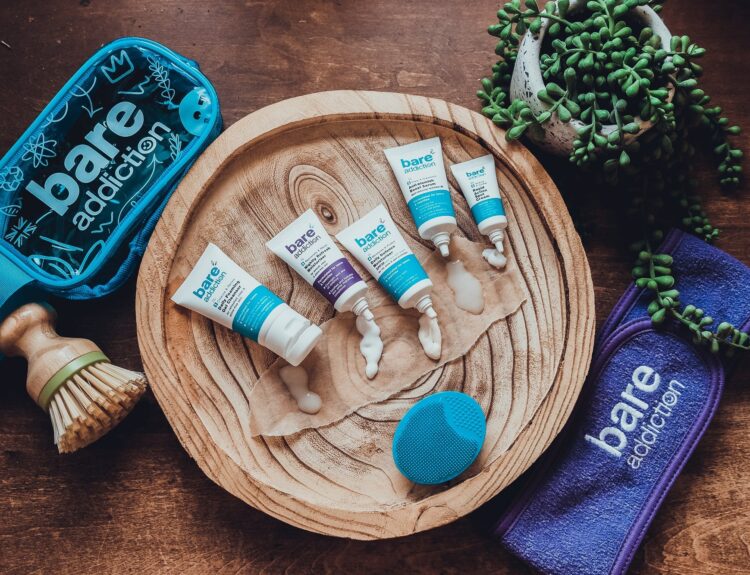
Winter weather can be extremely harsh on dry skin. Cold air outdoors combined with indoor heating strips the skin of its natural moisture, leading to flakiness, tightness, irritation, and dullness. Choosing the best affordable moisturizer for dry skin in winter is essential to maintain a healthy skin barrier and prevent discomfort.
A good winter moisturizer should deeply hydrate, lock in moisture, and protect the skin without feeling too heavy or greasy. Fortunately, you do not need expensive skincare products to keep your skin soft and nourished during cold months.
This guide explains what to look for in a moisturizer, key ingredients, application tips, and how to choose budget-friendly options that actually work.
Why Dry Skin Gets Worse in Winter
Dry skin becomes more noticeable in winter due to environmental changes.
Common causes include:
- Low humidity in the air
- Cold winds
- Indoor heating systems
- Hot showers
- Reduced natural oil production
These factors weaken the skin barrier, making hydration more difficult to maintain.
What Makes a Good Winter Moisturizer?
A winter moisturizer should focus on repair, hydration, and protection.
Look for:
- Deep hydration ingredients
- Barrier-repairing compounds
- Long-lasting moisture retention
- Non-irritating formulas
- Affordable and accessible pricing
Key Ingredients for Dry Skin Moisturizers
1. Hyaluronic Acid
Helps attract and retain moisture in the skin.
Benefits:
- Deep hydration
- Plumps skin
- Reduces dryness and tightness
2. Glycerin
A powerful humectant that draws water into the skin.
Benefits:
- Long-lasting hydration
- Softens rough skin
- Improves texture
3. Ceramides
Essential for repairing the skin barrier.
Benefits:
- Prevents moisture loss
- Strengthens skin protection
- Reduces irritation
4. Shea Butter
A rich natural emollient.
Benefits:
- Deep nourishment
- Smooths dry patches
- Protects against harsh weather
5. Niacinamide
Supports skin barrier function and reduces redness.
Benefits:
- Improves elasticity
- Reduces inflammation
- Enhances skin tone
Best Affordable Moisturizer Options for Dry Skin
Below are commonly recommended budget-friendly moisturizer types that work well in winter conditions.
1. Gel-Cream Moisturizers
Gel-cream formulas are lightweight but still hydrating.
Best for:
- Mild to moderate dryness
- Layering under sunscreen or makeup
Why they work:
They absorb quickly while delivering hydration without heaviness.
2. Cream-Based Moisturizers
Creams are richer and more suitable for winter dryness.
Best for:
- Very dry or flaky skin
- Cold and windy climates
Why they work:
They form a protective layer that locks in moisture.
3. Petroleum-Based Moisturizers
Occlusive moisturizers help seal hydration.
Best for:
- Extreme dryness
- Nighttime use
Why they work:
They prevent water loss from the skin surface.
Budget-Friendly Moisturizer Comparison Table
| Type | Hydration Level | Skin Type | Best Use |
|---|---|---|---|
| Gel-Cream | Medium | Normal to dry | Daytime |
| Cream | High | Dry to very dry | Day & night |
| Ointment | Very High | Extremely dry | Night repair |
How to Choose the Right Moisturizer for Winter
1. Know Your Skin Type
Understanding your skin helps avoid choosing the wrong texture.
- Mild dryness → gel-cream
- Moderate dryness → lotion or cream
- Severe dryness → rich cream or ointment
2. Avoid Harsh Ingredients
Stay away from products with:
- Alcohol
- Strong fragrances
- Harsh exfoliants
These can worsen dryness and irritation.
3. Look for Barrier Repair Formulas
Products containing ceramides, fatty acids, and cholesterol help restore the skin barrier.
4. Consider Layering
You can combine:
- Hydrating serum (like hyaluronic acid)
- Moisturizer
- Occlusive layer at night if needed
How to Apply Moisturizer for Maximum Effect
Proper application improves results significantly.
Step-by-Step Method
- Cleanse your face gently
- Apply hydrating serum on damp skin
- Apply moisturizer immediately
- Seal with sunscreen in the morning
- Use a thicker layer at night
Applying moisturizer on slightly damp skin helps lock in hydration better.
Extra Winter Skincare Tips for Dry Skin
1. Avoid Hot Water
Hot showers strip natural oils from the skin.
2. Use a Humidifier
Adds moisture back into dry indoor air.
3. Drink Enough Water
Hydration from inside supports skin health.
4. Exfoliate Gently
Use mild exfoliation once a week to remove flaky skin.
5. Apply Sunscreen Daily
UV rays can still damage skin in winter.
Common Mistakes to Avoid
Skipping Moisturizer
Even oily skin needs hydration in winter.
Using Too Many Products
Overloading skin can cause irritation.
Ignoring Nighttime Skincare
Night repair is crucial for healing dryness.
Not Adjusting Routine Seasonally
Skin needs change with weather conditions.
Sample Winter Skincare Routine for Dry Skin
Morning Routine
- Gentle cleanser
- Hydrating serum
- Moisturizer
- Sunscreen
Night Routine
- Gentle cleanser
- Hydrating serum
- Rich moisturizer or ointment
When to Upgrade Your Moisturizer
You may need a richer moisturizer if you notice:
- Persistent flaking
- Tight skin after washing
- Red patches or irritation
- Makeup not sitting properly
Switching to a thicker formula can help restore balance.
Conclusion
Choosing the best affordable moisturizer for dry skin in winter is about understanding your skin’s needs and selecting ingredients that deeply hydrate and protect the skin barrier. Affordable options like gel-creams, rich creams, and ointments can all be effective when used correctly.
The key to healthy winter skin is consistency, layering hydration properly, and protecting your skin from harsh environmental conditions. With the right moisturizer and skincare habits, even very dry skin can stay soft, smooth, and comfortable throughout the winter season.
Frequently Asked Questions (FAQs)
What type of moisturizer is best for dry skin in winter?
Rich cream-based moisturizers with ingredients like ceramides, glycerin, and shea butter are best for winter dryness.
Can I use gel moisturizer in winter?
Yes, but it is better suited for mild dryness. Very dry skin may need a thicker cream.
How often should I apply moisturizer in winter?
At least twice daily—once in the morning and once at night.
Is oily skin also affected in winter?
Yes, oily skin can still become dehydrated and may need lighter moisturizers.
Should I apply moisturizer on wet or dry skin?
Moisturizer works best when applied to slightly damp skin to lock in hydration.
Do I need sunscreen in winter?
Yes. UV rays are still present and can damage skin even in cold weather.