A natural makeup look is one of the most popular beauty trends because it enhances your features without appearing heavy or overly dramatic. Whether you’re heading to work, school, brunch, or a casual event, natural makeup helps you look fresh, polished, and confident while allowing your skin to shine through.
The key to achieving a natural makeup look is using lightweight products, blending well, and focusing on enhancing your natural beauty rather than completely transforming your appearance.
In this step-by-step guide, you’ll learn exactly how to do a natural makeup look, the products you’ll need, and expert tips for achieving a flawless everyday finish.
What Is a Natural Makeup Look?
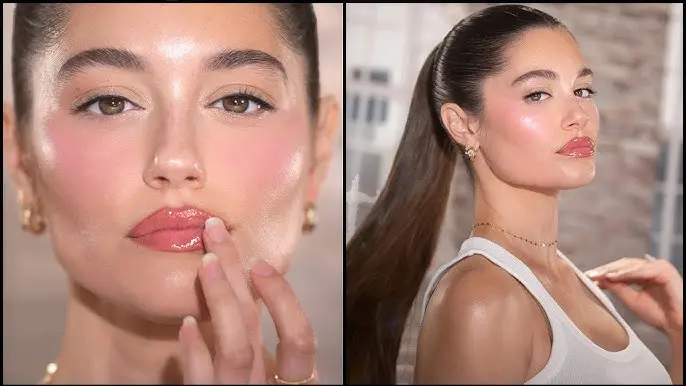
Natural makeup, often called the “no-makeup makeup look,” is a style that creates the appearance of healthy, glowing skin with minimal visible makeup.
Characteristics of natural makeup include:
- Lightweight coverage
- Soft, blended colors
- Defined but natural-looking brows
- Subtle eye makeup
- Fresh-looking skin
- Neutral lip colors
- Minimal contouring
The goal is to look refreshed and radiant rather than heavily made up.
Products You Need for a Natural Makeup Look
Before starting, gather these essential products:
- Moisturizer
- Sunscreen
- Primer (optional)
- Tinted moisturizer or lightweight foundation
- Concealer
- Setting powder
- Blush
- Bronzer (optional)
- Highlighter (optional)
- Brow pencil or brow gel
- Neutral eyeshadow
- Mascara
- Lip balm or nude lipstick
You don’t need every product, but these items can help create a polished finish.
Natural Makeup Look Step-by-Step
Step 1: Prep Your Skin
Healthy-looking skin is the foundation of natural makeup.
Start by:
- Cleansing your face
- Applying moisturizer
- Using sunscreen
- Allowing products to absorb fully
Well-hydrated skin helps makeup apply more smoothly and naturally.
Step 2: Apply Primer (Optional)
Primer can help:
- Smooth skin texture
- Minimize pores
- Improve makeup longevity
For everyday natural makeup, a lightweight hydrating primer is usually sufficient.
Step 3: Use a Lightweight Base
Instead of full-coverage foundation, choose:
- Tinted moisturizer
- BB cream
- Skin tint
- Lightweight foundation
Apply a small amount and blend using:
- Damp makeup sponge
- Foundation brush
- Clean fingertips
Focus on evening out the skin tone rather than covering every imperfection.
Step 4: Conceal Where Needed
Apply concealer only to areas that need extra coverage.
Common areas include:
- Under-eye circles
- Redness around the nose
- Blemishes
- Dark spots
Blend carefully so the concealer melts seamlessly into the skin.
Step 5: Set Lightly with Powder
A small amount of powder helps reduce shine without making the skin look flat.
Apply powder mainly to:
- Forehead
- Nose
- Chin
Avoid over-powdering to maintain a natural finish.
Add Soft Color to the Face
Step 6: Apply Blush
Blush instantly makes the face appear healthier and more youthful.
Popular natural blush shades include:
- Soft pink
- Peach
- Rosy nude
Apply lightly to the apples of the cheeks and blend upward toward the temples.
Step 7: Add Bronzer (Optional)
Bronzer can add warmth and dimension.
Apply lightly to:
- Forehead
- Cheekbones
- Jawline
The goal is a subtle sun-kissed effect rather than dramatic contouring.
Step 8: Use Highlighter Sparingly
A small amount of highlighter creates a healthy glow.
Apply to:
- Tops of cheekbones
- Bridge of nose
- Brow bone
- Cupid’s bow
Choose a natural-looking formula without chunky glitter.
Natural Eye Makeup Step-by-Step
Step 9: Groom Your Brows
Well-groomed brows frame the face beautifully.
Use:
- Brow pencil
- Brow powder
- Brow gel
Fill sparse areas with light strokes that mimic natural hair growth.
Avoid creating overly sharp or dark brows.
Step 10: Apply Neutral Eyeshadow
Natural eye makeup works best with soft shades.
Recommended colors include:
- Beige
- Taupe
- Soft brown
- Champagne
Apply a light shade across the lid and a slightly darker shade in the crease for subtle definition.
Step 11: Skip Heavy Eyeliner
For a softer look, use:
- Brown eyeliner
- Dark brown eyeshadow
Apply a thin line close to the lashes if desired.
Many natural makeup looks skip eyeliner entirely.
Step 12: Apply Mascara
Mascara helps open the eyes while maintaining a natural appearance.
For best results:
- Curl lashes first
- Apply one or two light coats
- Focus on separating lashes
Avoid excessive layers that can look clumpy.
Perfect Natural Lips
Step 13: Hydrate Your Lips
Apply a nourishing lip balm before lip color.
Benefits include:
- Smoother application
- Healthier appearance
- Better comfort
Step 14: Choose a Natural Lip Color
Great options include:
- Nude lipstick
- Tinted lip balm
- Soft pink gloss
- Peach-toned lip color
Choose a shade close to your natural lip color for the most effortless result.
Natural Makeup Routine Table
| Step | Product | Purpose |
|---|---|---|
| 1 | Moisturizer | Hydrates skin |
| 2 | Primer | Smooths texture |
| 3 | Lightweight Base | Evens skin tone |
| 4 | Concealer | Covers imperfections |
| 5 | Powder | Controls shine |
| 6 | Blush | Adds healthy color |
| 7 | Bronzer | Adds warmth |
| 8 | Highlighter | Creates glow |
| 9 | Brow Product | Defines brows |
| 10 | Eyeshadow | Enhances eyes |
| 11 | Eyeliner (Optional) | Adds definition |
| 12 | Mascara | Opens eyes |
| 13 | Lip Balm | Hydrates lips |
| 14 | Lip Color | Completes look |
Tips for Making Natural Makeup Last Longer
Use Thin Layers
Applying thin layers creates a more skin-like finish and helps makeup last longer.
Blend Thoroughly
Blending is essential for natural-looking makeup.
Take extra time to blend:
- Foundation
- Concealer
- Blush
- Bronzer
Choose Cream Products
Cream formulas often create a more natural finish than heavy powders.
Popular options include:
- Cream blush
- Cream bronzer
- Tinted moisturizers
Set Strategically
Only powder areas prone to oiliness to maintain a fresh glow.
Common Natural Makeup Mistakes
Avoid these common mistakes:
- Using too much foundation
- Over-contouring
- Applying excessive powder
- Choosing overly dark brows
- Using heavy eyeliner
- Wearing dramatic false lashes
- Over-applying highlighter
Natural makeup should enhance features rather than dominate them.
Benefits of a Natural Makeup Look
Many people prefer natural makeup because it:
- Takes less time
- Feels lightweight
- Looks appropriate for daily wear
- Enhances natural beauty
- Works for most occasions
- Requires fewer products
It is one of the most versatile makeup styles available.
Conclusion
Learning how to do a natural makeup look step by step is easier than many beginners expect. By focusing on healthy skin, lightweight coverage, soft eye makeup, natural brows, and subtle lip colors, you can create a fresh and polished appearance suitable for everyday wear.
The secret to successful natural makeup lies in using minimal product, blending thoroughly, and enhancing your natural features rather than covering them. With practice and the right techniques, you’ll be able to achieve a beautiful, effortless look in just a few minutes.
Frequently Asked Questions (FAQs)
What is the most important step in natural makeup?
Skin preparation is the most important step. Well-moisturized skin helps create a smooth, natural-looking base.
Do I need foundation for a natural makeup look?
No. Many people use tinted moisturizers, BB creams, or concealer only for a lighter finish.
Which blush color looks most natural?
Soft pink, peach, and rosy nude shades typically create the most natural-looking flush.
Can beginners do a natural makeup look?
Yes. Natural makeup is one of the easiest styles for beginners because it focuses on simple techniques and lightweight products.
Is eyeliner necessary for natural makeup?
No. Many natural makeup looks skip eyeliner or use a very thin brown line for subtle definition.
How long does a natural makeup routine take?
Most natural makeup routines can be completed in 10 to 20 minutes, depending on your experience and the number of products used.