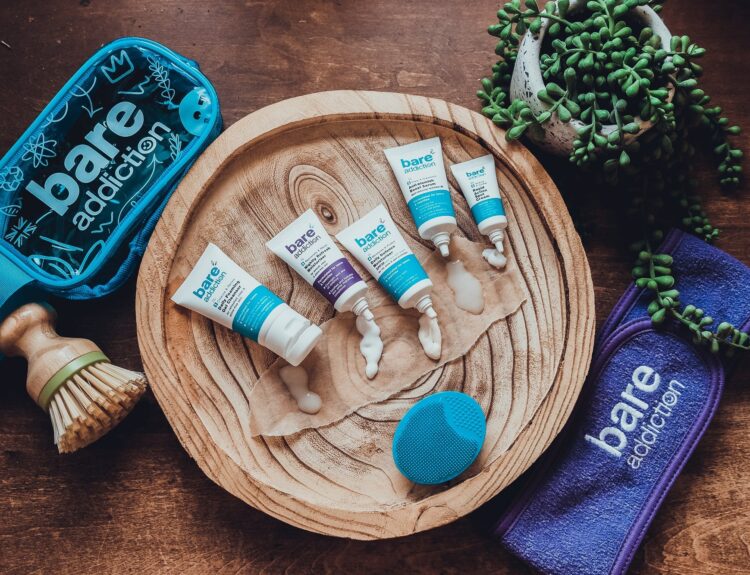
Acne scars can remain long after breakouts have healed, affecting skin texture and overall appearance. While severe acne scarring often requires professional treatment, many people look for safe and affordable ways to improve the appearance of mild acne marks at home. Using natural ingredients combined with a consistent skincare routine may help support skin healing, hydration, and a more even-looking complexion over time.
This guide explains how to reduce acne scars with natural ingredients at home, including effective remedies, skincare tips, and lifestyle habits that support healthy skin.
Understanding Acne Scars
Before trying any treatment, it’s important to understand the difference between acne scars and post-acne marks.
Types of Acne Marks and Scars
| Skin Concern | Description |
|---|---|
| Post-Inflammatory Hyperpigmentation | Dark spots left after acne heals |
| Post-Inflammatory Redness | Red or pink marks after breakouts |
| Atrophic Scars | Depressed or pitted scars |
| Hypertrophic Scars | Raised scars caused by excess collagen |
Natural remedies may help improve the appearance of discoloration and support overall skin health, but deeper scars typically require professional treatments.
Can Natural Ingredients Help Acne Scars?
Natural ingredients may help by:
- Supporting skin hydration
- Improving skin texture
- Promoting healthy skin renewal
- Reducing the appearance of discoloration
- Protecting the skin barrier
Results vary depending on the severity of the scars, skin type, and consistency of use.
Best Natural Ingredients for Acne Scar Care
Aloe Vera
Aloe vera is one of the most widely used natural skincare ingredients.
Benefits
- Hydrates the skin
- Soothes irritation
- Supports skin recovery
- Helps improve overall skin appearance
How to Use
- Apply fresh aloe vera gel to clean skin.
- Leave it on for 20–30 minutes or overnight if tolerated.
- Rinse if desired.
Regular use may help improve skin texture and hydration.
Honey
Honey has natural moisturizing properties that can help maintain healthy-looking skin.
Benefits
- Supports hydration
- Softens skin
- Promotes a smoother appearance
How to Use
- Apply a thin layer of raw honey.
- Leave on for 15–20 minutes.
- Rinse with lukewarm water.
Use several times per week for best results.
Rosehip Oil
Rosehip oil is popular in skincare because it contains vitamins and essential fatty acids.
Potential Benefits
- Improves skin hydration
- Supports skin renewal
- Helps improve uneven skin appearance
How to Use
Apply a few drops to clean skin before bedtime.
Always perform a patch test before using facial oils.
Turmeric Face Mask
Turmeric is commonly used in natural skincare routines.
Benefits
- Supports a brighter complexion
- Contains antioxidant compounds
- May improve the appearance of post-acne marks
DIY Turmeric Mask
Ingredients
- 1 teaspoon turmeric powder
- 1 tablespoon yogurt
- 1 teaspoon honey
Instructions
- Mix ingredients thoroughly.
- Apply to the affected area.
- Leave on for 10–15 minutes.
- Rinse carefully.
Avoid excessive use to prevent temporary skin staining.
Green Tea
Green tea contains antioxidants that may support healthy skin.
Benefits
- Helps protect against environmental stressors
- Supports overall skin health
- May reduce the appearance of redness
How to Use
- Brew green tea and allow it to cool.
- Apply with a cotton pad.
- Leave on the skin before moisturizing.
This simple treatment can be incorporated into a daily routine.
Oatmeal for Skin Repair
Oatmeal is known for its soothing properties.
Benefits
- Gentle on sensitive skin
- Helps maintain hydration
- Supports a healthy skin barrier
DIY Oatmeal Mask
Mix:
- Finely ground oatmeal
- Water or plain yogurt
Apply for 15 minutes and rinse gently.
Daily Skincare Routine for Acne Scar Improvement
Consistency is often more important than individual remedies.
Morning Routine
| Step | Purpose |
|---|---|
| Gentle Cleanser | Removes oil and impurities |
| Moisturizer | Maintains hydration |
| Sunscreen | Protects against darkening of marks |
Evening Routine
| Step | Purpose |
|---|---|
| Gentle Cleanser | Removes dirt and buildup |
| Natural Treatment | Supports skin care goals |
| Moisturizer | Encourages overnight hydration |
Following a simple routine consistently can help improve overall skin appearance.
Why Sunscreen Is Essential
Sun exposure can make post-acne marks appear darker and more noticeable.
Benefits of Daily Sunscreen Use
- Protects against UV damage
- Helps prevent discoloration from worsening
- Supports more even-looking skin
- Promotes long-term skin health
Use sunscreen daily, even on cloudy days.
Foods That Support Skin Healing
Nutrition plays an important role in skin health.
Skin-Friendly Foods
Vitamin C Sources
- Oranges
- Strawberries
- Kiwi
- Bell peppers
Healthy Fats
- Avocados
- Nuts
- Seeds
- Olive oil
Antioxidant-Rich Foods
- Blueberries
- Green tea
- Spinach
- Tomatoes
A balanced diet can support the body’s natural healing processes.
Lifestyle Habits That May Help
Stay Hydrated
Water supports overall skin function and helps maintain skin hydration.
Get Enough Sleep
Aim for:
- 7–9 hours of sleep per night
Sleep supports skin repair and recovery.
Avoid Picking at Acne
Picking or squeezing pimples increases the risk of scarring and discoloration.
Allow blemishes to heal naturally whenever possible.
Common Mistakes to Avoid
Many people unintentionally worsen acne scars by following ineffective or irritating remedies.
Avoid These Practices
- Using harsh scrubs
- Over-exfoliating
- Applying undiluted essential oils
- Picking at acne lesions
- Skipping sunscreen
- Expecting immediate results
Gentle and consistent skincare usually produces better long-term outcomes.
How Long Does It Take to See Results?
Natural remedies typically require patience.
Typical Timeline
| Time Frame | Possible Changes |
|---|---|
| 2–4 Weeks | Improved hydration and smoother skin |
| 1–3 Months | Gradual fading of some post-acne marks |
| Several Months | More noticeable improvement in skin appearance |
Results vary significantly depending on the type and severity of acne scars.
When to Consider Professional Treatment
Natural remedies may not significantly improve deep acne scars.
Professional treatments may include:
- Chemical peels
- Microneedling
- Laser therapy
- Dermatologist-prescribed treatments
Consult a skincare professional if scars are severe or persistent.
Conclusion
Learning how to reduce acne scars with natural ingredients at home involves combining gentle skincare practices, natural remedies, healthy lifestyle habits, and patience. Ingredients such as aloe vera, honey, rosehip oil, turmeric, green tea, and oatmeal may help support skin hydration and improve the appearance of post-acne marks over time.
While natural treatments may not completely eliminate deep scars, they can contribute to healthier-looking skin when used consistently. By protecting your skin from sun damage, maintaining a simple skincare routine, and supporting skin health through proper nutrition and hydration, you can encourage gradual improvements and achieve a more even-looking complexion.
Frequently Asked Questions (FAQs)
Can natural ingredients completely remove acne scars?
Natural ingredients may help improve the appearance of mild acne marks and support skin health, but deep scars often require professional treatment.
Which natural ingredient is best for acne scars?
Aloe vera, honey, rosehip oil, turmeric, and green tea are commonly used natural ingredients that may help improve skin appearance.
How long does it take for acne scars to fade naturally?
Results vary, but many post-acne marks gradually improve over several weeks or months with consistent skincare and sun protection.
Does aloe vera help acne scars?
Aloe vera may support hydration, soothe the skin, and contribute to a healthier overall appearance.
Why is sunscreen important for acne scars?
Sun exposure can darken post-acne marks, making them more noticeable. Sunscreen helps protect the skin and supports more even skin tone.
Can I use multiple natural remedies together?
Yes, but introduce new ingredients gradually and perform patch tests to minimize the risk of irritation.