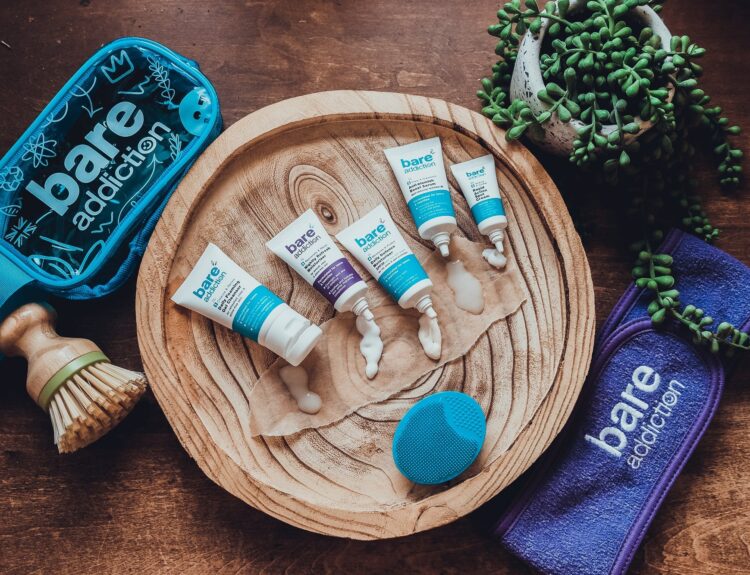
Combination skin is one of the most common yet confusing skin types to manage. It usually features both oily and dry areas on the face—most often an oily T-zone (forehead, nose, and chin) and dry or normal cheeks. Because of this imbalance, beginners often struggle to find the right skincare routine that doesn’t make one area worse while trying to improve another.
The good news is that combination skin can be balanced with the right products, consistent habits, and a simple routine. You do not need an overly complicated skincare system. Instead, focus on gentle cleansing, lightweight hydration, and targeted treatment for specific areas.
This beginner-friendly guide explains how to build an effective skincare routine for combination skin step by step.
Understanding Combination Skin
Combination skin has two different behaviors on the face:
- Oily zones: Usually the T-zone, prone to shine, blackheads, and enlarged pores
- Dry or normal zones: Cheeks may feel tight, flaky, or sensitive
Common signs include:
- Shiny nose and forehead
- Dry patches on cheeks
- Occasional breakouts in oily areas
- Uneven skin texture
- Difficulty finding suitable moisturizers
The main goal is balance—not removing oil completely or over-moisturizing dry areas.
Key Principles for Combination Skin
A good routine should focus on:
- Gentle cleansing without stripping the skin
- Lightweight hydration
- Oil control in T-zone
- Targeted treatment for breakouts or dryness
- Consistency over product quantity
Avoid harsh products that treat all areas the same way, as this can worsen imbalance.
Morning Skincare Routine for Combination Skin
Step 1: Gentle Cleanser
Start your day with a mild, sulfate-free cleanser.
Why it matters:
- Removes overnight oil buildup
- Keeps skin balanced
- Prevents dryness or irritation
What to look for:
- Gel-based cleansers
- pH-balanced formulas
- Ingredients like green tea or niacinamide
Avoid strong foaming cleansers that strip natural oils.
Step 2: Toner (Optional but Helpful)
A toner helps balance oil and hydrate dry areas.
Best ingredients:
- Rose water
- Witch hazel (alcohol-free)
- Niacinamide
- Hyaluronic acid
Apply lightly using a cotton pad or hands.
Step 3: Lightweight Serum
Serums help treat specific skin concerns without heaviness.
Best ingredients for combination skin:
- Niacinamide (balances oil and improves texture)
- Hyaluronic acid (hydrates dry areas)
- Vitamin C (brightens skin)
Apply a thin layer evenly across the face.
Step 4: Moisturizer
Even combination skin needs hydration, but the formula matters.
Best choice:
- Gel-based or water-based moisturizer
Why:
- Hydrates dry areas
- Doesn’t clog oily zones
- Keeps skin balanced
You can also use slightly more product on dry cheeks and less on the T-zone.
Step 5: Sunscreen
Sunscreen is essential every morning.
Choose:
- Oil-free SPF 30 or higher
- Matte finish sunscreen
Benefits:
- Prevents dark spots
- Protects against premature aging
- Maintains even skin tone
Night Skincare Routine for Combination Skin
Step 1: Double Cleansing (if needed)
If you wear makeup or sunscreen:
- Use micellar water or cleansing oil
- Follow with a gentle face wash
This ensures all impurities are removed.
Step 2: Treatment Serum
Nighttime is best for active ingredients.
Options:
- Niacinamide for oil control
- Salicylic acid for breakouts
- Hyaluronic acid for hydration
Use based on your skin’s needs.
Step 3: Spot Treatment (Optional)
If you have acne in oily areas:
- Use benzoyl peroxide or salicylic acid only on pimples
Avoid applying strong treatments on dry areas.
Step 4: Night Moisturizer
Choose a slightly richer moisturizer than your morning one, but still lightweight.
Benefits:
- Repairs skin barrier overnight
- Restores moisture balance
- Prevents dryness
Weekly Skincare Routine
Exfoliation (1–2 times per week)
Helps remove dead skin cells and unclog pores.
Best exfoliants:
- AHA (glycolic acid) for dry areas
- BHA (salicylic acid) for oily areas
Avoid over-exfoliating as it can damage the skin barrier.
Clay Mask (Optional)
Apply only on oily T-zone.
Benefits:
- Reduces excess oil
- Cleans clogged pores
Common Mistakes Beginners Make
Using Heavy Creams All Over Face
This can clog pores in oily areas.
Over-Washing the Face
Cleansing too often increases oil production.
Ignoring Dry Areas
Dry patches need hydration, not stripping products.
Using Too Many Products
Combination skin responds better to simple routines.
Best Ingredients for Combination Skin
| Ingredient | Benefit |
|---|---|
| Niacinamide | Balances oil and improves texture |
| Hyaluronic Acid | Hydrates without greasiness |
| Salicylic Acid | Controls acne in oily areas |
| Vitamin C | Brightens skin |
| Aloe Vera | Soothes irritation |
| Green Tea | Reduces inflammation |
Lifestyle Tips for Healthy Skin
Skincare works best when supported by healthy habits.
Drink enough water
Hydration improves both oily and dry areas.
Eat a balanced diet
Reduce oily and sugary foods that may trigger breakouts.
Manage stress
Stress can worsen oil production and breakouts.
Get proper sleep
Sleep helps skin repair and balance itself.
How to Balance Combination Skin Long-Term
Consistency is key. Instead of switching products frequently:
- Stick to a simple routine
- Adjust based on seasonal changes
- Treat oily and dry areas differently when needed
Over time, your skin becomes more stable and manageable.
Advanced Skincare Insight
As your skin changes with age, you may also explore targeted treatments for aging concerns. Many skincare enthusiasts who manage combination skin eventually research topics like Best Anti-Aging Serums for Women Over 40 to understand how skincare needs evolve over time and how different ingredients support mature skin health.
Final Thoughts
Building a skincare routine for combination skin as a beginner is all about balance. You do not need expensive or complicated products—just a gentle cleanser, lightweight moisturizer, targeted serums, and daily sunscreen.
By understanding how your skin behaves in different areas of your face, you can choose products that hydrate dry patches while controlling oil in the T-zone. With consistency and patience, combination skin becomes much easier to manage, leading to a healthier, more even complexion over time.
FAQs
What is the best skincare routine for combination skin?
A simple routine includes a gentle cleanser, lightweight moisturizer, serum, and sunscreen in the morning, and cleansing, treatment serum, and moisturizer at night.
Can combination skin use oily skin products?
Only partially. Products for oily skin can be used on the T-zone, but dry areas still need hydration.
Should combination skin use moisturizer?
Yes, but lightweight gel-based moisturizers work best.
How often should combination skin exfoliate?
1–2 times per week is usually enough.
Is niacinamide good for combination skin?
Yes, it helps balance oil production and improves overall skin texture.
Can combination skin become oily or dry permanently?
Skin type can change due to weather, age, and lifestyle, so routines may need adjustments.
What is the biggest mistake in combination skin care?
Using one extreme product for the entire face instead of balancing different areas.