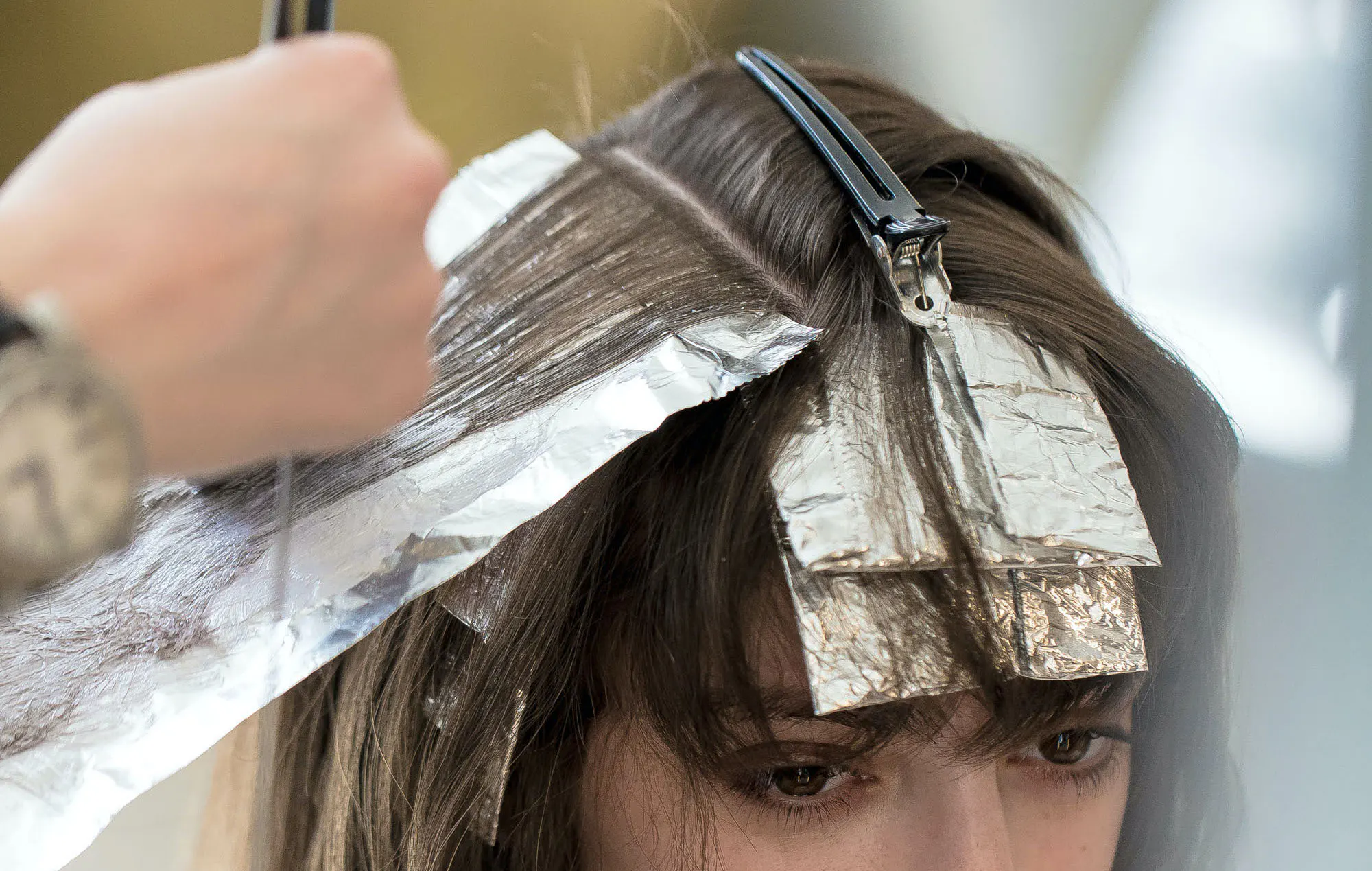
Chemical treatments like coloring, rebonding, perming, and relaxing can transform your hair’s appearance, but they often leave it weak, dry, and damaged. If your hair feels brittle, looks dull, or breaks easily, it’s a sign that it needs deep repair and consistent care. The good news is that you can restore strength and softness to your hair at home with the right routine and natural treatments.
This guide will help you rebuild your hair’s health step by step without relying on expensive salon visits.
Understanding Chemical Damage
Chemical treatments alter the structure of your hair by breaking down its natural bonds. This can lead to:
- Dry and rough texture
- Split ends and breakage
- Loss of elasticity
- Frizz and dullness
Repairing this type of damage requires focusing on both moisture and protein balance.
Essential Steps to Repair Hair at Home
1. Switch to a Gentle Shampoo
Use a sulfate-free, mild shampoo that cleanses without stripping away natural oils. Harsh shampoos can worsen dryness and damage.
2. Deep Condition Regularly
Deep conditioning is crucial for restoring moisture. Use a rich conditioner or hair mask at least once or twice a week to improve softness and manageability.
3. Protein Treatments for Strength
Chemically treated hair often loses protein. Incorporate protein treatments (like egg masks or store-bought protein masks) to rebuild hair structure and reduce breakage.
4. Trim Damaged Ends
Split ends cannot be repaired, so regular trims are necessary to prevent further damage from traveling up the hair shaft.
5. Avoid Heat Styling
Heat tools can worsen chemical damage. Let your hair air dry and avoid straighteners or curling irons as much as possible.
Natural Remedies for Hair Repair
Using natural ingredients can significantly improve your hair’s condition over time:
- Coconut Oil: Penetrates deeply to reduce protein loss
- Aloe Vera: Soothes and hydrates the scalp
- Honey: Acts as a natural humectant for moisture retention
- Egg Mask: Provides protein and strengthens strands
Apply these treatments weekly for best results.
Weekly Hair Repair Routine Table
| Day | Routine Activity | Purpose |
|---|---|---|
| Monday | Gentle shampoo + deep conditioning | Cleanse and restore moisture |
| Wednesday | Apply natural oil treatment | Nourish and strengthen hair |
| Friday | Protein mask | Repair structural damage |
| Sunday | Light wash + leave-in conditioner | Maintain hydration and smoothness |
Hydration and Diet for Hair Recovery
Hair repair isn’t just external—it also depends on your internal health. Make sure to:
- Drink plenty of water
- Eat protein-rich foods like eggs and legumes
- Include vitamins such as biotin and vitamin E
- Add healthy fats like nuts and seeds
A balanced diet supports faster recovery and healthier hair growth.
Choosing the Right Products
When selecting products for chemically treated hair, look for:
- Moisturizing ingredients like shea butter and argan oil
- Protein-enriched formulas
- Sulfate-free labels
You can also follow routines similar to Best Shampoo and Conditioner for Curly Hair Routine if your hair has become dry and textured after chemical treatments, as these routines emphasize hydration and gentle care.
Habits to Avoid
To prevent further damage, avoid:
- Overwashing your hair
- Using harsh chemical-based products
- Brushing wet hair aggressively
- Tight hairstyles that cause breakage
- Skipping regular conditioning
Consistency in avoiding these habits is key to recovery.
Signs Your Hair Is Repairing
With proper care, you’ll begin to notice:
- Improved softness and smoothness
- Reduced breakage
- Better elasticity
- Increased shine
- Easier manageability
Hair repair takes time, so patience and consistency are essential.
FAQs
1. Can chemically damaged hair be fully repaired?
While severely damaged hair cannot be completely restored, proper care can significantly improve its appearance and strength.
2. How long does it take to repair damaged hair?
It can take several weeks to months, depending on the level of damage and how consistent your routine is.
3. Is oiling good for chemically treated hair?
Yes, regular oiling helps restore moisture and reduce protein loss.
4. How often should I use a hair mask?
Using a hair mask 1–2 times per week is ideal for repairing damage.
5. Should I avoid all chemical treatments?
It’s best to limit chemical treatments and allow your hair time to recover between sessions.
Final Thoughts
Repairing chemically treated hair at home is completely achievable with the right balance of moisture, protein, and gentle care. By following a consistent routine, using natural remedies, and avoiding damaging habits, you can gradually restore your hair’s strength, shine, and overall health.