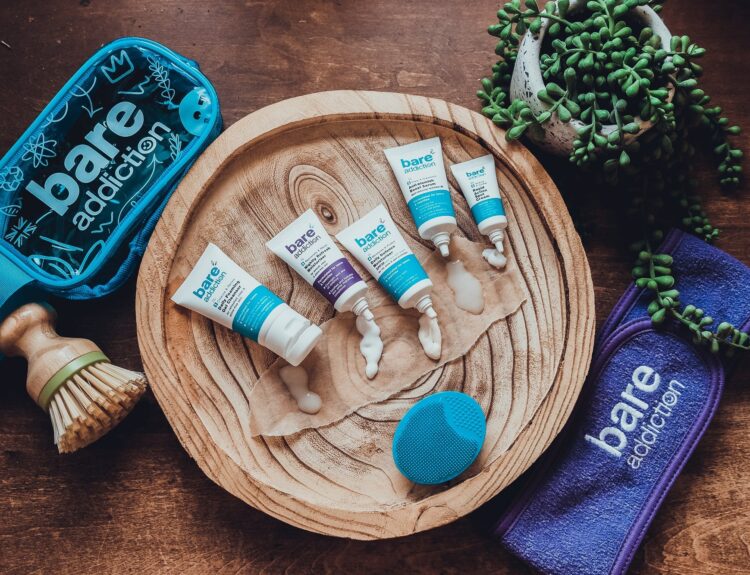
Combination skin can be tricky to manage because it includes both oily and dry areas. Typically, the T-zone (forehead, nose, and chin) tends to be oily, while the cheeks remain dry or normal. To maintain balance, you need the right beauty products and a well-structured daily routine tailored specifically for combination skin.
In this guide, you’ll discover the best beauty products and steps to create an effective daily skincare routine for combination skin.
Understanding Combination Skin
Combination skin requires a balanced approach. Using products that are too heavy can clog pores in oily areas, while overly drying products can worsen dry patches. The goal is to hydrate where needed and control oil without disrupting your skin barrier.
Morning Skincare Routine for Combination Skin
1. Gentle Cleanser
Start your day with a mild, sulfate-free cleanser that removes excess oil without stripping moisture.
Look for:
- Gel-based or foam cleansers
- Ingredients like glycerin or aloe vera
2. Balancing Toner
A toner helps restore pH levels and prepare your skin for the next steps.
Best ingredients:
- Niacinamide (controls oil)
- Rose water (soothes skin)
Avoid alcohol-based toners as they can dry out your skin.
3. Lightweight Serum
Serums provide targeted treatment without feeling heavy.
Recommended options:
- Hyaluronic acid for hydration
- Niacinamide for oil control
These ingredients help maintain balance across different areas of your face.
4. Moisturizer
Combination skin still needs hydration. Use a lightweight, non-comedogenic moisturizer.
Choose:
- Gel-based moisturizers for daytime
- Oil-free formulas
5. Sunscreen
Sunscreen is essential for protecting your skin from UV damage.
Look for:
- SPF 30 or higher
- Matte or oil-free finish
This prevents excess shine while protecting your skin.
Night Skincare Routine for Combination Skin
1. Makeup Removal
Use micellar water or cleansing oil to remove makeup and sunscreen.
2. Double Cleansing
Follow up with a gentle cleanser to deeply clean pores and remove residue.
3. Exfoliation (2–3 Times a Week)
Exfoliating helps remove dead skin cells and prevent clogged pores in oily areas.
Best options:
- Mild chemical exfoliants like AHAs or BHAs
Avoid over-exfoliating to protect your skin barrier.
4. Treatment Serum
Nighttime is ideal for targeted treatments.
Options include:
- Retinol for anti-aging
- Salicylic acid for acne-prone areas
Use according to your skin’s tolerance.
5. Moisturizer (Slightly Richer)
At night, you can use a slightly more hydrating moisturizer to repair your skin.
6. Spot Treatment (Optional)
Apply spot treatments only where needed, such as on acne or dry patches.
Best Product Types for Combination Skin
| Product Type | Ideal Features | Benefits |
|---|---|---|
| Cleanser | Gentle, sulfate-free | Cleans without stripping |
| Toner | Alcohol-free, hydrating | Balances skin |
| Serum | Lightweight, non-greasy | Targets concerns |
| Moisturizer | Oil-free or gel-based | Hydrates without clogging |
| Sunscreen | Matte, SPF 30+ | Protects and controls shine |
| Exfoliant | Mild chemical exfoliant | Clears pores and smooths skin |
Key Ingredients to Look For
- Hyaluronic acid: Hydrates dry areas
- Niacinamide: Controls oil and reduces pores
- Salicylic acid: Clears clogged pores
- Aloe vera: Soothes and hydrates
- Ceramides: Strengthen the skin barrier
These ingredients help maintain balance across oily and dry areas.
Tips for Managing Combination Skin
- Use different products for different areas if needed
- Avoid heavy creams on oily zones
- Blot excess oil during the day instead of overwashing
- Stay consistent with your routine
- Patch test new products
Common Mistakes to Avoid
- Using harsh products that strip natural oils
- Skipping moisturizer due to oily areas
- Over-exfoliating
- Applying too many active ingredients at once
Balance is key when dealing with combination skin.
Incorporating Natural Care
Alongside skincare products, natural treatments can also support your routine. For example, DIY Hair Masks for Hair Growth and Thickness at Home can complement your overall beauty regimen, helping you maintain both healthy skin and strong hair naturally.
FAQs
1. What is the best cleanser for combination skin?
A gentle gel-based or foam cleanser works best as it removes oil without drying the skin.
2. Can I use different moisturizers on different areas?
Yes, you can use a lightweight moisturizer on oily areas and a richer one on dry patches.
3. How often should I exfoliate combination skin?
2–3 times per week is enough to maintain smooth skin without causing irritation.
4. Is sunscreen necessary for combination skin?
Yes, sunscreen is essential for all skin types to prevent damage and premature aging.
5. Can combination skin change over time?
Yes, factors like weather, hormones, and age can affect your skin type.
6. Are natural products better for combination skin?
Not always. Both natural and formulated products can be effective if they suit your skin type.
Final Thoughts
Managing combination skin doesn’t have to be complicated. With the right beauty products and a balanced daily routine, you can control oil, hydrate dry areas, and maintain a healthy, glowing complexion.