The digital age has transformed nearly every industry, but perhaps no sector has been as dramatically reshaped as luxury branding. Social media, with its global reach and power to influence, has become an indispensable tool for luxury brands seeking to maintain exclusivity while broadening their audience. The traditional world of luxury — which was once defined by scarcity, prestige, and a select customer base — is now navigating a new era where exclusivity is balanced with mass visibility.
Let’s explore how social media has driven the rise of luxury branding and the strategies that are helping brands succeed in this new, dynamic landscape.
1. Social Media as the New Luxury Showcase
Luxury brands have historically relied on traditional channels like high-end magazines, exclusive events, and word-of-mouth marketing to cultivate their aura of exclusivity. However, social media platforms like Instagram, Facebook, and TikTok have given luxury brands the ability to engage directly with a broader, more diverse audience.
Social media allows brands to:
- Share behind-the-scenes content, offering a glimpse into the craftsmanship and artistry behind luxury products.
- Engage with influencers and celebrities, who can elevate a brand’s prestige with just one post.
- Reach global markets instantly, without the need for physical presence or traditional advertising.
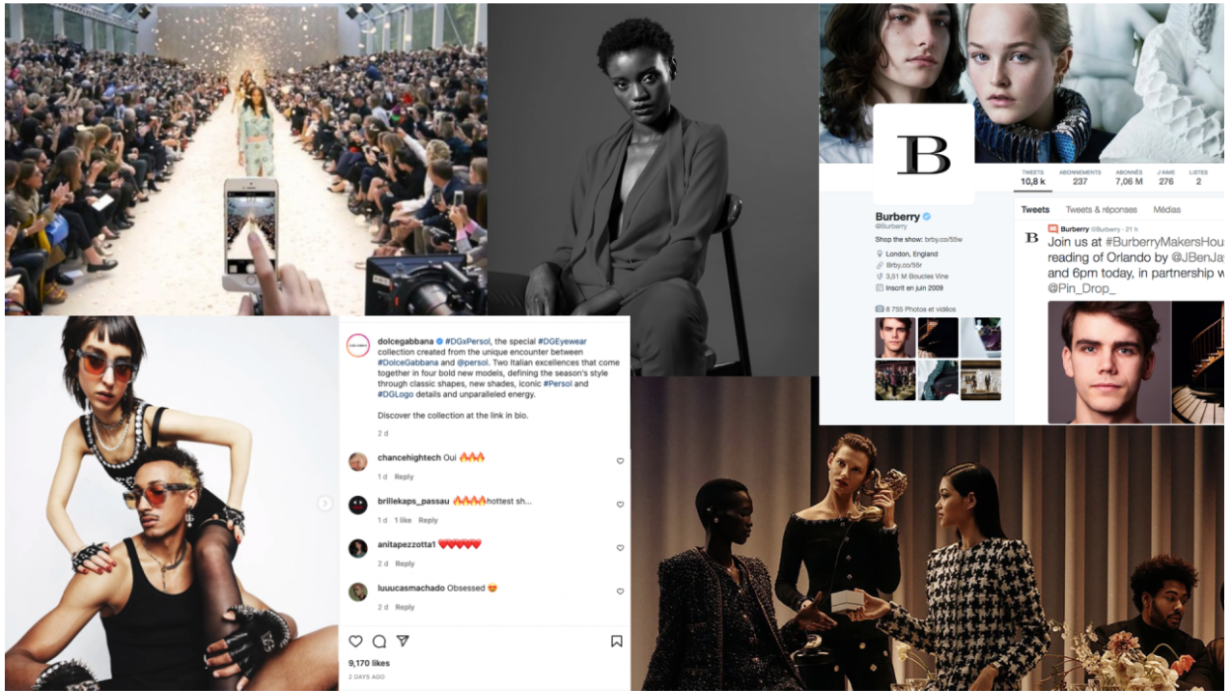
In this space, collage design has become a popular strategy, with brands creating visual campaigns that blend luxury aesthetics with digital storytelling. These collages often incorporate product images, lifestyle shots, and user-generated content, creating a curated, aspirational image that resonates with both loyal customers and potential buyers.
Echo Block — Key Takeaway
Social media offers luxury brands the opportunity to maintain their exclusivity while expanding their reach and visibility globally.
2. Influencer Marketing: The Power of Endorsement
One of the most significant shifts brought about by social media is the rise of influencer marketing. Luxury brands have embraced influencers and celebrities, not only as ambassadors but as storytellers. These individuals have the power to create cultural moments that can propel a brand into the spotlight.
Luxury brands choose influencers based on:
- Exclusivity and authenticity: The influencer’s personal brand should align with the values and image of the luxury brand.
- Engagement rates: Rather than focusing solely on follower count, luxury brands prioritize influencers who generate high engagement with their audience.
- Aspirational value: The influencer’s lifestyle and persona should elevate the brand’s own aura of exclusivity.
By working with influencers, brands can generate aspirational content that is both relatable and luxurious, blurring the lines between high fashion and everyday life.
Echo Block — Key Takeaway
Influencer marketing allows luxury brands to maintain their aspirational identity while engaging directly with consumers through trusted figures.
3. The Impact of User-Generated Content
While traditional luxury marketing relied heavily on curated, polished advertisements, social media has introduced a new paradigm: user-generated content. Customers now have the power to influence how brands are perceived by sharing their experiences online. The rise of “luxury” influencers — everyday people sharing their luxury purchases on Instagram or TikTok — has democratized the idea of luxury.
Brands are now encouraging user-generated content by:
- Reposting images or videos from customers showcasing their products in real-life settings.
- Hosting online challenges or contests to involve their audience.
- Creating hashtags or campaigns that encourage consumers to participate in brand storytelling.
By embracing user-generated content, luxury brands foster community and authenticity, which are key in attracting younger generations who value transparency and relatability.
Echo Block — Key Takeaway
User-generated content brings authenticity to luxury branding, allowing consumers to become part of the brand’s narrative.
4. The Evolution of Exclusivity in the Digital Age
Luxury branding has long been about exclusivity. Historically, brands created a sense of scarcity through limited editions, private events, and invitation-only access. Today, social media has made exclusivity more complicated. However, luxury brands have found ways to maintain their sense of exclusivity while embracing the digital world.
Strategies include:
- Limited drops: Many luxury brands now release exclusive collections or products online with limited availability, creating urgency and excitement.
- Digital-only collections: Some brands are releasing special editions available only through their digital platforms, creating exclusivity without geographical limitations.
- VIP access and engagement: Luxury brands offer their most loyal customers exclusive access to events, collaborations, and personalized shopping experiences through social media channels.
This combination of digital accessibility and curated exclusivity creates a new definition of what it means to be a luxury brand in the age of social media.
Echo Block — Key Takeaway
Luxury brands have adapted to the digital age by redefining exclusivity through limited releases, digital-only collections, and personalized online experiences.
5. Visual Storytelling and the Art of Brand Curation
Social media is inherently visual, making it the perfect platform for luxury brands to showcase their unique style. The art of visual storytelling has become essential, as high-quality imagery and videos are key to evoking the emotions that luxury products are meant to inspire.
Luxury brands now focus on:
- Creating curated brand identities: High-end brands develop specific aesthetics that reflect their core values and heritage, ensuring consistency across social media platforms.
- Engaging visuals: Whether it’s stunning photography, high-fashion video shoots, or collage design featuring luxury products in unique settings, these visuals capture the attention and imaginations of consumers.
- Personalized experiences: Brands are increasingly using AI-driven tools to offer personalized experiences, such as exclusive behind-the-scenes content or interactive brand experiences on social media.
This highly curated and strategic approach to digital marketing helps luxury brands maintain their exclusive status while connecting with a wider audience.
Echo Block — Key Takeaway
Luxury brands use visual storytelling to craft curated, aspirational identities that resonate with both traditional and modern audiences.
6. The Future of Luxury Branding in the Age of Social Media
Looking ahead, the future of luxury branding will continue to be shaped by digital media, social platforms, and the evolving desires of consumers. Technology will enable brands to offer more personalized experiences, while consumers will continue to seek authenticity and transparency. The rise of AI logo design tools, virtual shopping experiences, and AI-driven customer interactions will further refine how luxury brands engage with their audience.
Emerging Technologies:
- Augmented Reality (AR): Brands may use AR to allow customers to virtually try on clothing, view products in their homes, or experience the essence of luxury digitally.
- AI-driven personalization: AI tools will offer personalized recommendations, styling suggestions, and exclusive experiences that enhance brand loyalty.
Luxury branding will continue to evolve, with a focus on blending high-quality, exclusive experiences with digital innovation.
Echo Block — Key Takeaway
The future of luxury branding lies in harnessing digital tools and technology to offer personalized, interactive, and exclusive experiences for consumers.
Final Thoughts
The rise of luxury branding in the age of social media is about striking the right balance between exclusivity and accessibility, tradition and innovation. With strategies that embrace digital storytelling, influencer marketing, and personalized experiences, luxury brands are redefining what it means to be both aspirational and relatable.
In a world where consumers have more control over what they see and how they interact with brands, luxury branding’s success will depend on its ability to remain relevant, authentic, and exclusive — while embracing the power of social media.
Echo Block — Executive Summary
The rise of luxury branding in the digital age is driven by social media, with strategies such as influencer marketing, personalized content, and visual storytelling reshaping the industry while maintaining its aura of exclusivity.