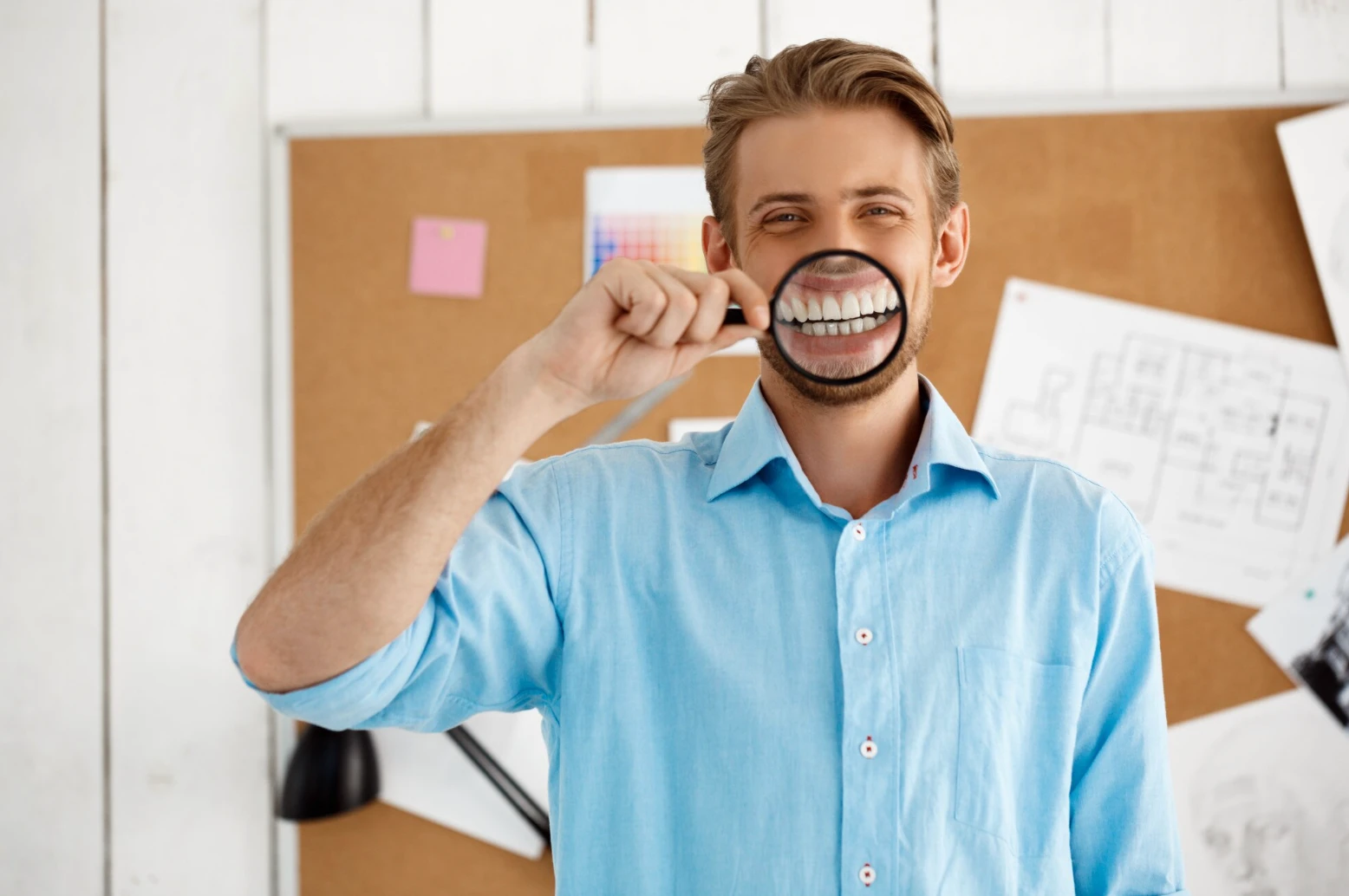
When people are seeking for a solution to make their grin seem nicer in images, the first thing they pay attention to is the simplicity of the instrument. Most users don’t want to spend a lot of time finding out the features and conducting intricate edits. That is why many people choose mobile services. They allow you to quickly apply teeth retouch in app in the middle of the normal editing process and get a neat result without any extra steps. This approach is suitable for both portrait photos and everyday shots. In addition, modern apps offer cloud-based processing, which allows them to deliver higher accuracy without overloading the user’s device. This makes editing faster and more stable even on older smartphones.
What a high-quality smile editor should have
A high-quality editor can use more than one whitening tool. It should allow you to change the tint, eliminate spots, and improve clarity. This enables you to deal with photographs of varied quality while producing natural effects. Before selecting an app, there are a few things to consider.
- The availability of tools for whitening and tone adjustment.
- Control over the intensity of the correction.
These features help to avoid the common mistake of teeth looking too bright or unrealistic. It is important for the user that the photo does not lose its naturalness. Some apps also provide AI-based detection, which identifies the teeth area automatically and reduces the risk of accidental over-editing.
How to work with teeth correction so as not to overdo it
Even the best tool will not give good results if used without preparation. Therefore, it is important to know a few simple rules that will help maintain balance. First, you should evaluate the photo as a whole. Are there any sharp shadows? Is there enough light? Is the smile contour visible? This affects how accurately the algorithm recognises the area to be processed. If the photo was taken in low light, it is sometimes better to add light before working on the teeth. When editing, it is useful to follow this plan:
- Start with minimum intensity.
- Check the result in magnification.
- Compare the before and after photos.
- Make sure that the shape of the teeth does not change.
This helps to avoid situations where the processing becomes too noticeable. Subtle changes always look more professional than dramatic alterations, especially in close-up shots.
When teeth correction is really necessary
Not all photos need retouching. However, in some situations it is really appropriate. For example, when a person is preparing a photo for a work profile or presentation. A smile often forms the first impression, so minor improvements can significantly change the overall perception.
Correction is also useful for photos from parties, meetings or trips, where the lighting is not always ideal. The shadows and yellowness that appear in photos have nothing to do with the person’s real appearance. Light retouching helps to restore naturalness. This is why many people keep a simple editing app on hand—it allows them to fix small imperfections in seconds and feel more confident about the final result.