South America is a continent bursting with life, color, and Off the Beaten Path Places to Visit in Japantradition. From the misty Andes to the Amazon rainforest, and from ancient ruins to lively city streets, each country offers a distinctive blend of indigenous heritage, colonial history, and modern creativity. While travelers often come for the natural beauty, it’s the culture — expressed through music, food, festivals, and art — that truly captures the soul of South America.
Exploring unique cultural experiences in South America allows visitors to connect deeply with the people and traditions that make this continent unlike any other. Whether you’re dancing in Brazil, learning to weave in Peru, or sharing stories with locals in Colombia, every encounter tells a powerful story of identity and resilience.
Why Cultural Travel in South America Matters
Cultural experiences in South America are immersive, authentic, and often community-driven. They provide travelers with an opportunity to move beyond sightseeing — to listen, learn, and participate.
Engaging in cultural tourism not only enriches your journey but also supports local artisans, indigenous groups, and small communities striving to preserve their heritage in a globalized world.
Just as travelers seek Off the Beaten Path Places to Visit in Japan to discover hidden traditions and deeper meanings, exploring South America’s lesser-known cultural experiences reveals the heart of this dynamic continent.
1. Participate in the Inti Raymi Festival – Cusco, Peru
The Inti Raymi, or Festival of the Sun, is one of South America’s most spectacular celebrations. Held each June 24 in Cusco, this ancient Incan festival honors the Sun God, Inti.
What to Expect:
- Thousands of participants reenact Incan rituals in colorful traditional attire.
- The ceremony begins at Qorikancha Temple and moves to Sacsayhuamán Fortress.
- Music, dance, and fire ceremonies fill the streets with vibrant energy.
Attending Inti Raymi offers a direct connection to the spiritual heart of the Andes and the legacy of the Inca civilization.
2. Learn Tango in Buenos Aires, Argentina
No cultural experience in South America is more iconic than the tango. Born in the working-class neighborhoods of Buenos Aires in the late 19th century, tango expresses passion, melancholy, and connection.
Highlights:
- Take tango lessons at local dance studios (“milongas”).
- Watch professional performances in intimate dinner theaters.
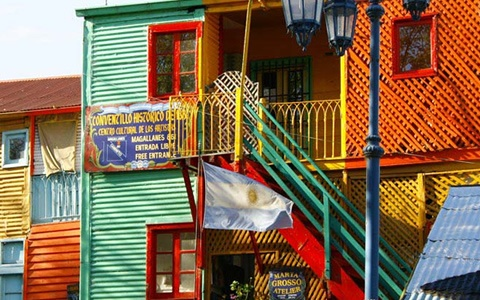
- Visit the La Boca and San Telmo districts, where tango culture began.
The rhythm and emotion of tango embody Argentina’s artistic spirit — and learning it firsthand is an unforgettable cultural experience for couples or solo travelers alike.
3. Visit the Floating Islands of Uros – Lake Titicaca, Bolivia/Peru
High in the Andes lies Lake Titicaca, the world’s highest navigable lake and home to the Uros people, who live on floating islands made entirely of reeds.
Why It’s Unique:
- The islands are handcrafted from totora reeds and rebuilt regularly.
- Visitors can learn about Uros traditions, crafts, and sustainable living.
- Homestay experiences allow travelers to live alongside local families.
This rare encounter showcases human ingenuity and the enduring connection between people and nature.
4. Discover Afro-Brazilian Heritage in Salvador, Brazil
The city of Salvador da Bahia is a melting pot of African, Portuguese, and indigenous influences. Its music, cuisine, and spiritual practices tell the story of Brazil’s African diaspora.
Cultural Highlights:
- Witness a Candomblé ceremony — an Afro-Brazilian religious ritual blending music, dance, and spirituality.
- Take percussion or capoeira classes with local masters.
- Savor Bahian dishes like acarajé and moqueca, deeply rooted in African culinary traditions.
Salvador’s rhythm, warmth, and devotion make it one of South America’s richest cultural destinations.
5. Experience the Carnival of Oruro – Bolivia
While Brazil’s Carnival is world-famous, Bolivia’s Carnival of Oruro offers a more traditional, folkloric celebration with deep spiritual meaning.
Highlights:
- Parades feature thousands of dancers in intricate devil and angel costumes.
- The festival blends indigenous Andean beliefs with Catholic symbolism.
- Declared a UNESCO Masterpiece of the Oral and Intangible Heritage of Humanity.
The Carnival of Oruro is both a visual spectacle and a profound cultural expression of Bolivia’s dual heritage.
6. Explore the Artisan Villages of Ecuador’s Otavalo Valley
The Otavalo Valley in northern Ecuador is home to one of the oldest and most famous indigenous markets in the world.
What to Do:
- Shop for handwoven textiles, alpaca wool scarves, and intricate jewelry.
- Visit nearby villages like Peguche and Agato to watch artisans at work.
- Learn about the Kichwa culture and their deep connection to the land.
Every purchase here supports local families and centuries-old craftsmanship passed down through generations.
7. Stay with the Gauchos – Uruguay and Argentina
For a glimpse into rural South American life, spend time with the gauchos — the legendary cowboys of the Pampas.
Experiences Include:
- Horseback riding across open plains.
- Learning traditional cooking methods like asado (barbecue).
- Listening to folk music around a campfire.
The gaucho lifestyle represents freedom, simplicity, and the bond between people and the land — values still cherished in South American culture today.
8. Explore Colombia’s Coffee Cultural Landscape
In Colombia’s lush mountain regions, coffee is more than a drink — it’s a way of life. The Coffee Cultural Landscape, recognized by UNESCO, offers travelers the chance to experience rural Colombia through its traditions and hospitality.
Activities:
- Tour family-run coffee farms to learn about bean cultivation and roasting.
- Stay in fincas (plantation houses) surrounded by rolling hills.
- Sample freshly brewed coffee while overlooking misty valleys.
This experience connects travelers directly to the heart of Colombia’s agricultural heritage and community pride.
Comparison: Cultural Highlights Across South America
| Country | Unique Experience | Cultural Focus | Best Time to Visit |
|---|---|---|---|
| Peru | Inti Raymi Festival | Incan Heritage | June |
| Argentina | Tango Lessons | Music & Dance | Year-round |
| Bolivia | Carnival of Oruro | Folklore & Rituals | February–March |
| Brazil | Afro-Brazilian Culture in Salvador | Spirituality & Cuisine | December–March |
| Ecuador | Otavalo Market | Indigenous Crafts | Year-round |
| Colombia | Coffee Region Tours | Rural Traditions | November–April |
| Uruguay | Gaucho Ranch Stay | Cowboy Heritage | September–April |
Each destination offers travelers a deeper understanding of South America’s diverse cultures and shared human connections.
Sustainable Cultural Tourism
Many South American communities now focus on sustainable tourism, emphasizing respect, education, and local participation. Visitors are encouraged to engage responsibly — by buying directly from artisans, attending small local festivals, and learning about indigenous rights and preservation efforts.
This form of travel ensures that tourism benefits local people and protects cultural heritage for future generations.
FAQs About Cultural Travel in South America
1. Is cultural tourism in South America safe?
Yes. Most countries welcome cultural travelers, though it’s always wise to follow local safety advice and travel with trusted guides when exploring rural areas.
2. Do I need to speak Spanish or Portuguese?
Basic language skills help, but many local guides speak English, especially in tourist areas. Learning simple phrases shows respect and enhances your experience.
3. What’s the best season for festivals and cultural events?
The Southern Hemisphere’s summer (December to March) offers many major festivals, though cultural activities occur year-round.
4. How can I support local communities when traveling?
Stay in family-run accommodations, eat local food, and buy directly from artisans. Avoid mass-produced souvenirs.
5. Which cultural experience is best for first-time visitors?
The Inti Raymi Festival in Peru or the coffee region in Colombia provide a great introduction to South America’s cultural diversity.
Final Thoughts
South America’s cultures are as diverse as its landscapes — vibrant, spiritual, and rooted in centuries of tradition. Experiencing them firsthand means more than visiting landmarks; it’s about meeting people, sharing stories, and participating in customs that define entire nations.
From dancing tango in Buenos Aires to walking through the reed islands of Lake Titicaca, each cultural encounter brings travelers closer to understanding the continent’s living heritage.
Much like exploring Off the Beaten Path Places to Visit in Japan, seeking out authentic and lesser-known cultural experiences in South America rewards you with insight, connection, and unforgettable memories. Whether through music, art, or ritual, this journey across cultures will leave your heart fuller and your perspective forever changed.