Traveling is more than just sightseeing—it’s about immersing yourself in different traditions, art forms, and communities that define a culture. One of the best ways to experience this is by attending cultural festivals around the world. From vibrant street parades to ancient rituals, festivals offer travelers a chance to connect deeply with local heritage while celebrating human creativity and unity.
Whether you’re a music lover, foodie, or history enthusiast, these cultural festivals worth traveling for will open your eyes to the richness and diversity of global traditions.
Why Travel for Cultural Festivals?
Attending festivals is an unforgettable way to experience the heart and soul of a destination. Beyond entertainment, they allow travelers to:
- Understand cultural identity: Festivals reveal the beliefs, art, and values that shape communities.
- Connect with locals: Shared celebrations create genuine human connections.
- Support local economies: Festival tourism brings sustainable growth to host regions.
- Learn through experience: Observing traditions in person is more impactful than reading about them.
If you plan ahead and learn How to Travel Light with Only a Carry-On Backpack, you can explore these events more freely, without the burden of heavy luggage or complicated travel logistics.
Top Cultural Festivals Around the World
Here are some of the most captivating festivals across continents that deserve a spot on every traveler’s bucket list.
| Festival | Location | Time of Year | Highlights |
|---|---|---|---|
| Holi Festival | India & Nepal | March | Colorful powder celebrations, music, and joy marking the arrival of spring. |
| Carnival of Rio de Janeiro | Brazil | February | Samba parades, elaborate costumes, and vibrant street parties. |
| Oktoberfest | Munich, Germany | Late September–October | Traditional Bavarian beer, folk music, and cultural festivities. |
| Day of the Dead (Día de los Muertos) | Mexico | November 1–2 | Honors ancestors through altars, food, and colorful decorations. |
| Chinese New Year | China and global Chinatowns | January–February | Fireworks, lion dances, and traditional feasts celebrating the Lunar New Year. |
| Edinburgh Festival Fringe | Scotland | August | The world’s largest arts festival showcasing comedy, theatre, and live performance. |
| Songkran Festival | Thailand | April | Traditional water fights and Buddhist rituals marking Thai New Year. |
| Gion Matsuri | Kyoto, Japan | July | Ancient floats, parades, and Shinto ceremonies dating back to the 9th century. |
| La Tomatina | Buñol, Spain | August | The famous tomato-throwing festival celebrating unity and fun. |
| Burning Man | Nevada, USA | Late August–September | Art installations and community gatherings in the desert focusing on self-expression. |
1. Holi Festival – India and Nepal
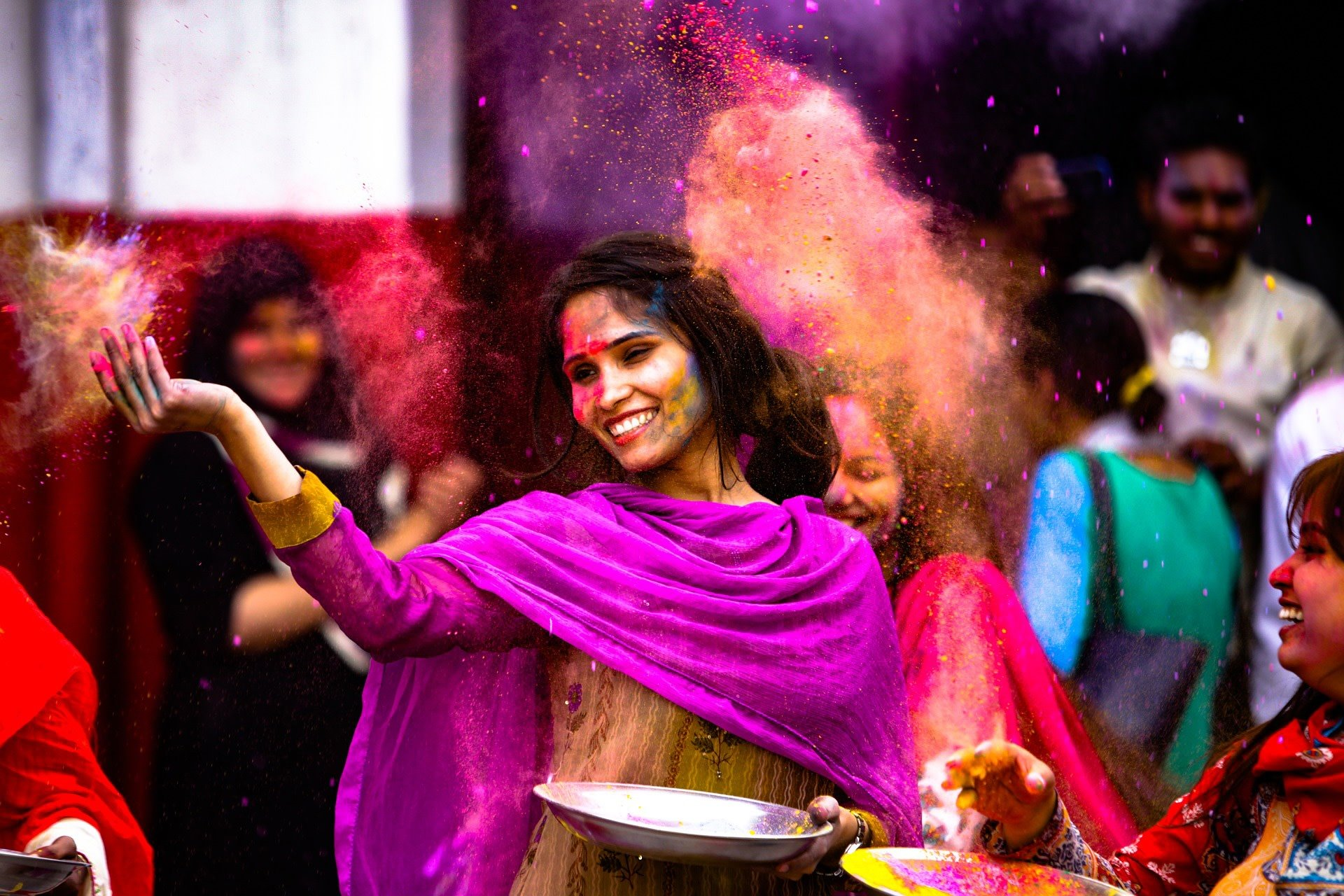
Known as the Festival of Colors, Holi symbolizes the triumph of good over evil and the arrival of spring. Participants throw brightly colored powders and water, dance to traditional music, and share sweets.
Travel Tip: Wear old clothes and protect your phone and camera from color powders. Smaller towns like Vrindavan or Pushkar offer more authentic celebrations than large cities.
2. Carnival of Rio de Janeiro – Brazil
The Rio Carnival is one of the world’s most famous cultural spectacles. Samba schools parade through the streets with dazzling costumes, music, and dance. It’s a joyful explosion of rhythm and color that unites locals and visitors alike.
Travel Tip: Book accommodations months in advance, as the festival attracts millions of travelers every year.
3. Oktoberfest – Germany
Oktoberfest is a celebration of Bavarian culture featuring traditional clothing, hearty foods, folk music, and—of course—beer. The event dates back to 1810 and is now the largest beer festival in the world.
Travel Tip: Reserve a seat in one of Munich’s famous beer tents early and learn a few German phrases to engage with locals.
4. Day of the Dead – Mexico
Unlike somber traditions elsewhere, Mexico’s Día de los Muertos is a colorful celebration of life and remembrance. Families build ofrendas (altars) adorned with candles, marigolds, and photos of loved ones, believing their spirits return to visit.
Travel Tip: Head to Oaxaca or Pátzcuaro for the most authentic and elaborate festivities.
5. Chinese New Year – China and Beyond
This festival marks the start of the lunar calendar and is celebrated with fireworks, red lanterns, and family feasts. Each year is dedicated to a zodiac animal, and the celebrations last for 15 days.
Travel Tip: Visit Beijing or Hong Kong to witness traditional parades, dragon dances, and spectacular light shows.
6. Edinburgh Festival Fringe – Scotland
The Edinburgh Fringe is the world’s largest arts festival, transforming the Scottish capital into a stage for creativity. From comedy and theatre to dance and street performances, artists from around the world showcase their talents.
Travel Tip: Buy tickets early for popular shows and explore free performances to discover emerging talent.
7. Songkran Festival – Thailand
Songkran marks the Thai New Year with massive water fights that fill the streets of Bangkok, Chiang Mai, and Phuket. It’s a time for fun, cleansing, and renewal.
Travel Tip: Protect your belongings in waterproof pouches and join the locals respectfully—avoid drenching monks or elders.
8. Gion Matsuri – Japan
Dating back to the 9th century, Kyoto’s Gion Matsuri is one of Japan’s oldest and grandest festivals. It features majestic wooden floats, traditional clothing, and sacred rituals honoring local deities.
Travel Tip: Attend the Yamaboko Junko parade and enjoy Kyoto’s summer street food during the evening festivities.
9. La Tomatina – Spain
La Tomatina in Buñol is pure, joyful chaos. Thousands of participants throw ripe tomatoes at each other in a one-hour food fight that has become world-famous.
Travel Tip: Bring goggles, old clothes, and a change of outfit—you’ll be drenched in tomato pulp by the end!
10. Burning Man – USA
Held in Nevada’s Black Rock Desert, Burning Man is more than a festival—it’s a temporary city built around principles of creativity, community, and self-expression. Participants create art installations, perform, and live off-grid for a week before dismantling everything without leaving a trace.
Travel Tip: Prepare carefully—bring supplies, sun protection, and a spirit of collaboration.
Quick Comparison Table: Cultural Festival Highlights
| Festival | Country | Best For | Experience Level |
|---|---|---|---|
| Holi | India | Color, culture, spirituality | Easy |
| Carnival | Brazil | Music, dance, energy | Moderate |
| Oktoberfest | Germany | Food, drink, tradition | Easy |
| Day of the Dead | Mexico | Art, remembrance | Easy |
| Songkran | Thailand | Fun, water fights, renewal | Easy |
| Burning Man | USA | Art, community, creativity | Advanced |
Tips for Attending International Festivals
- Book early: Flights and accommodations fill up fast.
- Research local customs: Respect cultural and religious practices.
- Dress appropriately: Some festivals have specific dress codes or traditions.
- Stay hydrated and protected: Many events take place outdoors in hot climates.
- Engage with locals: Learn a few words in the native language—it goes a long way.
- Practice sustainability: Avoid single-use plastics and support local vendors.
FAQs About Cultural Festivals
Q1: What’s the best time to attend cultural festivals?
It depends on your destination. Many festivals coincide with seasonal or religious events, so check local calendars before planning.
Q2: How can I find lesser-known festivals?
Follow local tourism boards, travel blogs, or cultural organizations for event updates.
Q3: Are cultural festivals family-friendly?
Yes, many festivals like Holi, Oktoberfest (daytime events), and Chinese New Year welcome families.
Q4: How can I respect local traditions while participating?
Dress modestly, ask before taking photos, and follow local etiquette during ceremonies.
Q5: Do I need to buy tickets for most festivals?
Some are free, while others—like Burning Man or Fringe—require advance ticket purchases.
Final Thoughts
Cultural festivals remind us that despite our differences, celebration and creativity are universal. Whether it’s dancing through Rio’s streets, tossing colors in India, or honoring ancestors in Mexico, these experiences offer priceless insights into humanity’s shared joy and expression.
If you plan smart, pack efficiently, and travel with curiosity, you’ll gain far more than photos—you’ll gain perspective. And remember, understanding How to Travel Light with Only a Carry-On Backpack will make navigating these global celebrations effortless and enjoyable.
So, choose a festival, pack light, and dive into the world’s most colorful traditions—one celebration at a time.