Travel photography has evolved dramatically over the past decade. Gone are the days when you needed a bulky DSLR camera to take breathtaking shots of your adventures. Modern smartphones are equipped with high-quality lenses, advanced image stabilization, and editing tools that make it possible to produce professional-level travel photos from the palm of your hand.
Whether you’re exploring ancient ruins, relaxing on a tropical beach, or embarking on Luxury Travel Experiences That Are Surprisingly Affordable, your phone can be your most powerful creative tool. Here’s a complete guide on how to capture stunning travel photos with your phone—no expensive camera required.
1. Understand Your Phone’s Camera Capabilities
Before snapping away, take time to learn what your phone camera can do. Each smartphone brand offers unique features such as manual mode, portrait effects, night mode, and RAW capture. Understanding these options helps you maximize the quality of every shot.
Key Settings to Explore:
| Feature | Purpose |
|---|---|
| HDR (High Dynamic Range) | Balances highlights and shadows for vivid, realistic photos. |
| Gridlines | Helps with composition and alignment. |
| Focus and exposure lock | Keeps subjects sharp and lighting consistent. |
| Night mode | Enhances low-light shots without excessive grain. |
| Pro or manual mode | Gives you control over ISO, shutter speed, and white balance. |
Experiment with your settings before your trip, so you’re confident when capturing important moments.
2. Master the Art of Composition
Composition is the foundation of great photography. A well-composed image draws the viewer’s eye and tells a story. Even with a smartphone, simple composition techniques can elevate your photos instantly.
Composition Tips:
- Rule of Thirds: Turn on your gridlines and position key elements along the lines or intersections for balance.
- Leading Lines: Use paths, bridges, or rivers to guide the viewer’s eye through the frame.
- Framing: Capture your subject through a window, archway, or trees to add depth.
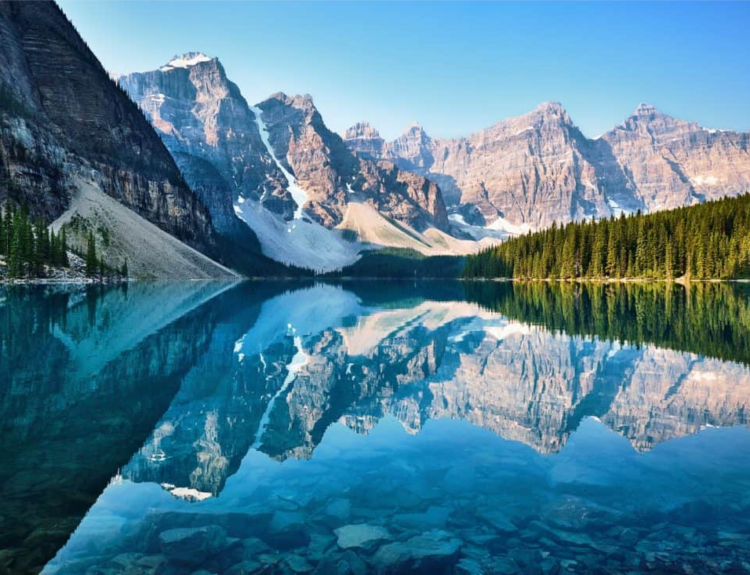
- Symmetry: Perfect for architecture, reflections, or landscape shots.
- Negative Space: Leave empty areas in the frame to emphasize your subject and create a sense of scale.
Taking a few extra seconds to compose your shot thoughtfully often makes the difference between a good photo and an unforgettable one.
3. Focus on Lighting—Your Best Natural Tool
Lighting can make or break your travel photos. Fortunately, natural light is free and abundant when you know how to use it.
Lighting Tips:
- Golden Hour: Shoot early in the morning or late afternoon for soft, warm light that flatters both landscapes and portraits.
- Avoid Harsh Midday Light: If you must shoot in bright sunlight, find shade or use your hand to shield the lens from glare.
- Use Reflections: Puddles, glass windows, and lakes can create beautiful mirrored effects.
- Experiment with Silhouettes: Position subjects against a bright sky during sunrise or sunset for dramatic impact.
When shooting indoors, stand near windows for natural illumination and avoid artificial lighting that can distort colors.
4. Keep Your Lens Clean and Steady
A simple smudge can ruin a perfect photo. Wipe your camera lens frequently with a microfiber cloth or soft clothing before shooting.
To reduce motion blur:
- Hold your phone with both hands.
- Use a tripod or mini stabilizer for sharper shots.
- If you don’t have one, stabilize your arms against a surface like a table or wall.
Many smartphones also have built-in image stabilization—take advantage of it, especially for night or low-light photography.
5. Tell a Story Through Your Photos
Great travel photography isn’t just about stunning landscapes—it’s about emotion, perspective, and storytelling. Capture not just what a place looks like, but how it feels.
Storytelling Strategies:
- Mix wide shots, mid-range frames, and close-ups for variety.
- Photograph candid moments of locals, markets, or street scenes.
- Include yourself or your travel companions in the frame for context.
- Look for small details—textures, patterns, and colors that define the culture or atmosphere of a location.
Every photo should have a narrative. Ask yourself, “What do I want people to feel when they see this image?”
6. Use Editing Apps Wisely
Editing is where your photos truly come to life. A few subtle adjustments can transform a simple shot into something exceptional.
Recommended Editing Apps:
| App | Best For |
|---|---|
| Snapseed | Advanced yet easy adjustments for color, exposure, and perspective. |
| Lightroom Mobile | Professional editing with preset filters and RAW support. |
| VSCO | Stylish filters for cohesive travel feeds. |
| Afterlight | Fine-tuning contrast and textures. |
| TouchRetouch | Removing unwanted objects or distractions. |
When editing, aim for natural enhancement rather than heavy filters. Maintain the authenticity of your destination’s colors and atmosphere.
7. Experiment with Perspectives and Angles
Sometimes the best photos come from unconventional angles. Don’t just shoot from eye level—get creative.
Try These Angles:
- Low angles: Make buildings or landscapes appear more dramatic.
- High vantage points: Use rooftops or observation decks for panoramic shots.
- Close-ups: Capture the details—food textures, local crafts, or cultural artifacts.
- Reflections: Use mirrors, water, or glass for artistic compositions.
The more perspectives you explore, the more dynamic your travel portfolio will become.
8. Capture Movement and Emotion
Action brings life to your photos. Use your phone’s burst mode or live photo features to capture fast-moving scenes—waves crashing, birds flying, or local performers dancing.
To convey emotion:
- Photograph genuine moments of laughter, curiosity, or wonder.
- Use portrait mode to highlight expressions and blur the background for impact.
Emotional storytelling connects your audience to your experience, making your photos more powerful and memorable.
9. Back Up Your Photos Regularly
Nothing is more heartbreaking than losing all your travel photos. Set up automatic backups before your trip to ensure your memories are safe.
Backup Options:
- Cloud storage: Google Photos, iCloud, or Dropbox.
- External storage: USB drives or portable SSDs compatible with smartphones.
- Social media drafts: Upload private posts as backups before editing.
Keeping your photos secure means you can focus on creating, not worrying.
10. Practice Consistency for a Cohesive Look
To make your travel album or social media feed visually appealing, maintain consistency in your editing style and composition. Stick to similar tones, lighting adjustments, and filters.
This creates a recognizable personal style that reflects your perspective as a traveler and storyteller.
FAQs About Travel Photography with Your Phone
Q1: Can smartphone photos really compete with professional cameras?
Yes. With good lighting, composition, and editing, modern phones can produce images comparable to professional cameras for most travel purposes.
Q2: How do I take good photos in low light?
Use night mode, stabilize your phone, and avoid zooming. If possible, find a light source like a lamp or streetlight for subtle illumination.
Q3: Should I shoot in RAW format?
If your phone allows it, yes. RAW files give you greater control in editing and preserve detail that JPEGs may lose.
Q4: What’s the best way to photograph people while traveling?
Always ask for permission first, use natural light, and capture candid, genuine moments that tell a story.
Q5: How do I make my travel photos stand out on social media?
Focus on authenticity. Unique perspectives, consistent editing, and storytelling will set your work apart from generic travel photos.
Final Thoughts
You don’t need expensive equipment to take extraordinary travel photos—just creativity, awareness, and the right techniques. Your smartphone is a powerful tool capable of capturing the essence of your journeys, from sweeping landscapes to intimate local moments.
By mastering light, composition, and editing, you can turn everyday scenes into works of art that inspire others to see the world through your lens. So next time you pack for a trip, remember—the best camera is the one in your hand, ready to capture the beauty waiting around every corner.