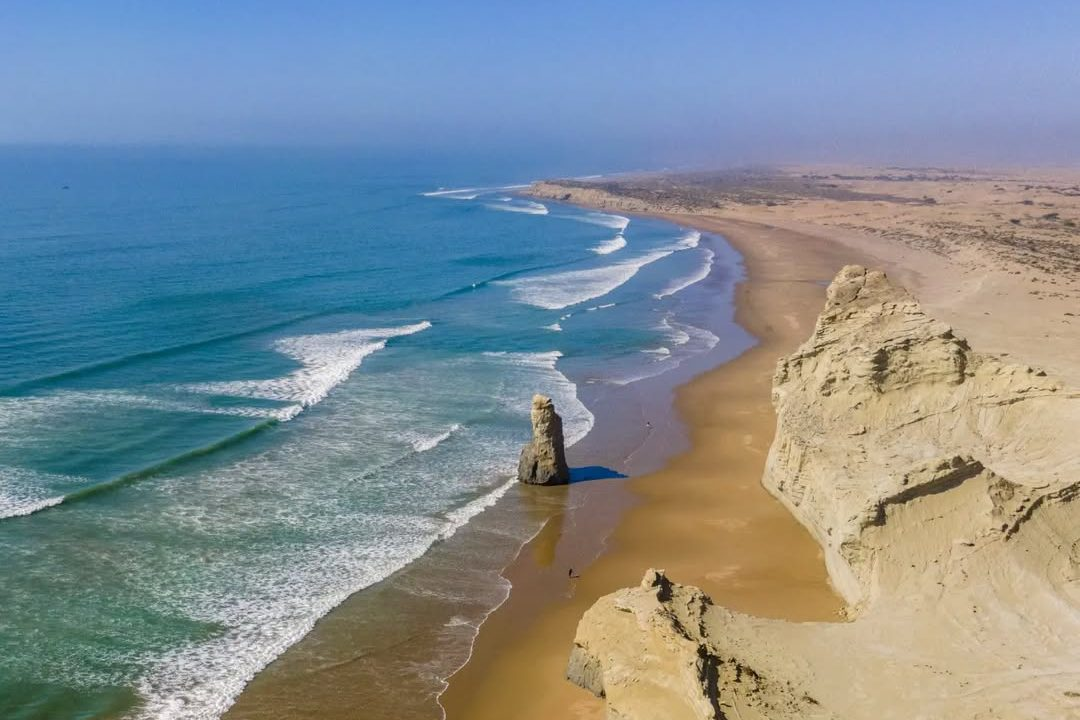
When most travelers think of nature getaways, popular spots like Yellowstone or the Swiss Alps often come to mind. However, the world is full of breathtaking yet lesser-known destinations that promise solitude, pristine landscapes, and unforgettable experiences. For those who seek more than just the usual trails, this guide uncovers the best off-the-beaten-path destinations for nature lovers who crave authenticity and serenity.
Why Choose Off-the-Beaten-Path Destinations?
Choosing remote or less-traveled locations offers more than peace and quiet. It provides a genuine connection with nature, minimal crowds, and a sense of discovery that mainstream tourism can’t deliver. These destinations often boast untouched ecosystems, cultural authenticity, and opportunities for sustainable travel.
Benefits of Offbeat Nature Travel
| Benefit | Description |
|---|---|
| Seclusion and Peace | Escape tourist crowds and enjoy tranquil natural environments. |
| Sustainability | Reduce the environmental impact by avoiding over-touristed areas. |
| Unique Experiences | Discover hidden waterfalls, secret trails, and local traditions. |
| Wildlife Encounters | Spot rare flora and fauna that thrive away from human disturbance. |
| Cultural Immersion | Engage with communities that are less influenced by mass tourism. |
1. The Azores, Portugal
Nestled in the middle of the Atlantic Ocean, the Azores archipelago is a paradise for hikers, divers, and nature photographers. Its volcanic landscapes, lush greenery, and dramatic coastlines make it one of Europe’s best-kept secrets. Explore Sete Cidades’ twin lakes, trek through volcanic craters, or soak in geothermal hot springs surrounded by misty forests. The islands’ commitment to sustainable tourism ensures that their beauty remains unspoiled for generations to come.
Top Activity: Whale watching in Pico Island, home to one of the largest resident sperm whale populations in the world.
Best Time to Visit: May to September for mild weather and clear visibility.
2. Sapa, Vietnam
Located in northern Vietnam’s mountains, Sapa offers a serene escape from the country’s bustling cities. Rice terraces cascade down the hillsides, creating a mesmerizing patchwork of green and gold. The region’s remote villages are home to ethnic minority communities such as the Hmong and Dao, who maintain their traditional lifestyles and handicrafts.
Top Activity: Trekking through Muong Hoa Valley and staying overnight with a local family in a homestay.
Best Time to Visit: March to May or September to November for ideal hiking conditions.
3. Aysén Region, Chilean Patagonia
The Aysén region of Chile is one of the last true wilderness areas on Earth. Towering glaciers, turquoise rivers, and snow-capped peaks dominate this rugged landscape. Travelers can explore the Marble Caves on General Carrera Lake, kayak through fjords, or drive along the legendary Carretera Austral. The region’s isolation ensures minimal crowds and a deep connection with untouched nature.
Top Activity: Hiking through Queulat National Park to see the spectacular Hanging Glacier.
Best Time to Visit: November to March, during the Southern Hemisphere’s summer.
4. The Faroe Islands
Situated between Iceland and Norway, the Faroe Islands offer raw natural beauty that feels almost otherworldly. Sheer cliffs plunge into the sea, waterfalls tumble into fjords, and puffins nest along rocky coastlines. The islands’ compact size allows visitors to explore multiple scenic spots in a short period while maintaining an off-grid feeling.
Top Activity: Hiking to the Múlafossur Waterfall in Gásadalur village for panoramic ocean views.
Best Time to Visit: May to August for longer daylight hours and lush landscapes.
5. The Dolpo Region, Nepal
For adventure seekers looking for solitude, the Dolpo region in Nepal offers dramatic mountain vistas and ancient Buddhist monasteries. This remote corner of the Himalayas is rarely visited, offering trekkers a raw experience of Nepal’s rugged wilderness and Tibetan-influenced culture.
Top Activity: The Upper Dolpo Trek, which passes through Phoksundo Lake and Shey Gompa Monastery.
Best Time to Visit: April to October, when trails are accessible and weather is stable.
6. Tasmania, Australia
Tasmania, often overshadowed by mainland Australia, is a haven for nature lovers. With over 40% of its land protected as national parks or reserves, the island offers stunning rainforests, rugged coastlines, and alpine plateaus. Cradle Mountain-Lake St Clair National Park and Freycinet Peninsula are must-visits for hikers and wildlife enthusiasts.
Top Activity: Hiking the Overland Track, one of the world’s most scenic multi-day treks.
Best Time to Visit: December to February for warmer weather and blooming wildflowers.
7. The Lofoten Islands, Norway
The Lofoten Islands combine dramatic scenery with a tranquil atmosphere. Jagged peaks rise from the Arctic Ocean, fishing villages cling to the shoreline, and the northern lights dance in the sky during winter. The islands offer numerous hiking trails, kayaking routes, and opportunities for wildlife spotting, including sea eagles and whales.
Top Activity: Hiking Reinebringen for one of Europe’s most iconic views.
Best Time to Visit: June to August for the midnight sun or September to April for aurora viewing.
Sustainable Travel Tips for Nature Lovers
- Travel Light and Responsibly: Reduce waste by carrying reusable bottles and eco-friendly gear.
- Support Local Communities: Choose locally owned lodges and guides.
- Stay on Designated Trails: Protect fragile ecosystems by avoiding off-trail hiking.
- Respect Wildlife: Observe from a distance without disturbing animals.
- Embrace Slow Travel: Spend more time in fewer places to reduce your carbon footprint.
How to Balance Work and Exploration
For modern travelers who wish to explore these remote locations while working, digital nomadism is becoming increasingly popular. Learning How to Travel the World While Maintaining a 9-to-5 Job Remotely can help you combine career stability with your love for nature. Many destinations now offer co-working lodges, strong Wi-Fi connections, and flexible visa programs tailored for remote workers.
FAQs About Off-the-Beaten-Path Nature Destinations
Q1: What defines an off-the-beaten-path destination?
An off-the-beaten-path destination is a place less frequented by mainstream tourists, often offering untouched natural beauty, cultural authenticity, and fewer crowds.
Q2: Are these destinations safe for solo travelers?
Yes, most are safe with proper preparation. Always research local customs, check weather conditions, and inform someone about your itinerary before venturing into remote areas.
Q3: How can I travel sustainably in these locations?
Choose eco-friendly accommodations, avoid single-use plastics, respect wildlife, and support local businesses to ensure your travel benefits the environment and community.
Q4: What should I pack for remote nature trips?
Essential items include sturdy footwear, layered clothing, a water filter, first-aid kit, portable charger, and navigation tools such as GPS or offline maps.
Q5: Are these destinations expensive to visit?
Costs vary. Some, like Sapa or the Dolpo region, are budget-friendly, while others, like the Faroe Islands, may require more planning and higher costs due to limited accessibility.
Final Thoughts
Off-the-beaten-path destinations offer the perfect escape for nature lovers who crave authenticity and peace. Whether you’re hiking through remote mountain ranges, exploring volcanic islands, or discovering hidden waterfalls, these locations promise unforgettable experiences and a deeper connection with the natural world. By traveling responsibly and embracing sustainable practices, you can ensure these pristine places remain just as breathtaking for future generations.